

Decentralized Physical Infrastructure Networks (DePIN) are quickly becoming the backbone of Web3’s real-world utility layer, and Solana is leading the charge with its signature blend of high throughput and low fees. But as DePIN networks scale, so do their attack surfaces. That’s where Drosera Network enters the conversation: a decentralized automation and security protocol that promises to make Solana-based DePIN projects more resilient, responsive, and, dare I say, self-healing.
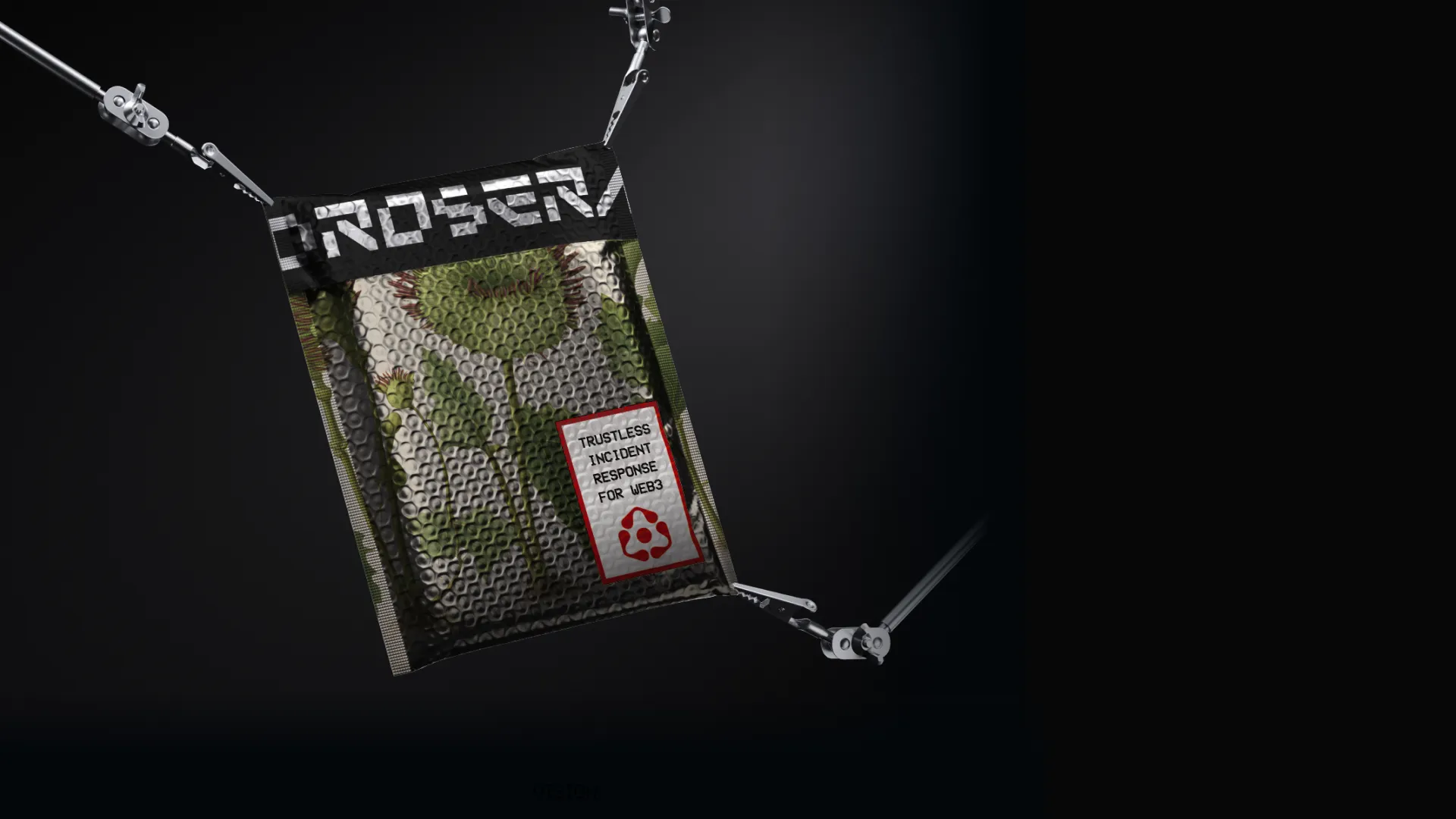
What Makes Drosera Network Unique?
Let’s cut through the noise: Drosera Network is not your average incident response tool. It’s a fully decentralized protocol that automates threat detection and mitigation for smart contracts. While it launched on Ethereum, its architecture is tailor-made for cross-chain expansion, including Solana’s rapidly growing DePIN sector.
The magic happens through two core components:
- Traps: Customizable smart contracts that continuously monitor on-chain data for anomalies or suspicious activity. Think of them as programmable tripwires that can spot trouble before it snowballs.
- Operators: Decentralized nodes that execute these Traps, taking automated action (like pausing contracts or moving funds) when threats are detected. Operators join specific Traps, earn rewards for honest work, and keep the network humming 24/7.
This approach means no single point of failure, and no centralized security desk holding the keys to your protocol’s safety. Instead, every response is trustless and verifiable on-chain.
Why Solana Is Fertile Ground for Decentralized Automation
If you’ve followed the migration stories like Helium’s move to Solana or the rise of GPU-powered compute networks like io. net, you know why builders love this chain: speed, scalability, and cost efficiency. These are critical ingredients when you’re orchestrating thousands, or millions, of physical devices in real time.
But automation isn’t just about efficiency; it’s about safety at scale. As DePINs handle everything from energy grids to wireless hotspots to distributed AI inference, a single exploit can have ripple effects across entire ecosystems. Drosera’s trustless triggers add an essential layer of defense by enabling:
- Real-time threat detection: No more waiting for manual interventions or centralized approvals.
- Automated mitigation: When something looks fishy, smart contracts can instantly respond, whether that means freezing assets or alerting stakeholders.
- Economic alignment: Operators are incentivized to act honestly through transparent reward mechanisms.
This decentralized automation stack dovetails perfectly with Solana’s strengths. Imagine a world where every device in a DePIN network is both self-monitoring and self-defending, no central authority required.
The Building Blocks: How Drosera Works Under the Hood
Diving deeper into Drosera’s mechanics reveals why its model fits so well within the ethos of decentralized infrastructure automation:
- Traps as Modular Security Logic: Developers define triggers based on specific conditions (e. g. , abnormal transaction patterns). These Traps are deployed as smart contracts, composable and upgradable as threats evolve.
- Operator Network: Anyone can become an Operator by opting into particular Traps. This open participation model ensures redundancy and geographic diversity, a must-have for global DePINs running on Solana.
- No Central Control: All actions taken by Operators are executed via smart contract logic; there is no admin key or off-chain veto power lurking in the background.
The result? A robust security mesh that adapts dynamically to new threats while staying true to Web3 principles like composability and permissionless participation.
Now, imagine this framework deployed across Solana’s DePIN landscape. From decentralized wireless networks to distributed compute farms, the ability to programmatically monitor and respond to threats, without human bottlenecks, unlocks a new standard for reliability. Solana’s blazing-fast finality ensures that Drosera’s automated actions happen in near real time, which is crucial when every second counts during an incident.
Drosera-Style Automation in Action: Real-World DePIN Scenarios
Let’s get specific. Picture a DePIN project on Solana managing a fleet of edge devices, maybe environmental sensors or community-run WiFi hotspots. If a device starts behaving abnormally or a suspected exploit emerges, Drosera-inspired Traps can:
- Trigger instant isolation of the affected node, preventing spread or data leakage.
- Alert Operators globally, who verify and execute mitigation steps without delay.
- Log every action on-chain, creating an auditable trail for post-incident analysis and compliance.
This isn’t just theory. The modular architecture makes it easy for DePIN builders to plug in custom Traps tailored to their unique risk profiles, no need to reinvent the wheel with every deployment. And because Operators are permissionless, anyone with the right incentives can help secure the network, reinforcing decentralization at every layer.
What’s Next? The Roadmap for Decentralized Automation on Solana
While Drosera Network started its journey on Ethereum, the vision clearly extends into Solana’s domain. As more DePIN protocols seek scalable ways to automate both operations and defense, Drosera’s approach offers a blueprint. Expect to see:
- Cross-chain deployments: Bridging Drosera-style automation into Solana-native smart contracts.
- Deeper integration with DePIN middleware: Making it seamless for new projects to adopt automated security out of the box.
- Evolving incentive models: Fine-tuning rewards so Operators are always motivated to act quickly and honestly, even as threat landscapes shift.
The convergence of high-throughput blockchains like Solana with decentralized automation protocols marks a turning point: self-healing infrastructure is no longer science fiction. It’s rapidly becoming table stakes for any serious Web3 project touching the physical world.
If you’re building or investing in decentralized infrastructure, keep your eye on projects that blend robust automation with economic alignment. The next generation of DePINs will be defined not just by what they connect, but by how resiliently they defend themselves when adversity strikes.




No comments yet. Be the first to share your thoughts!