
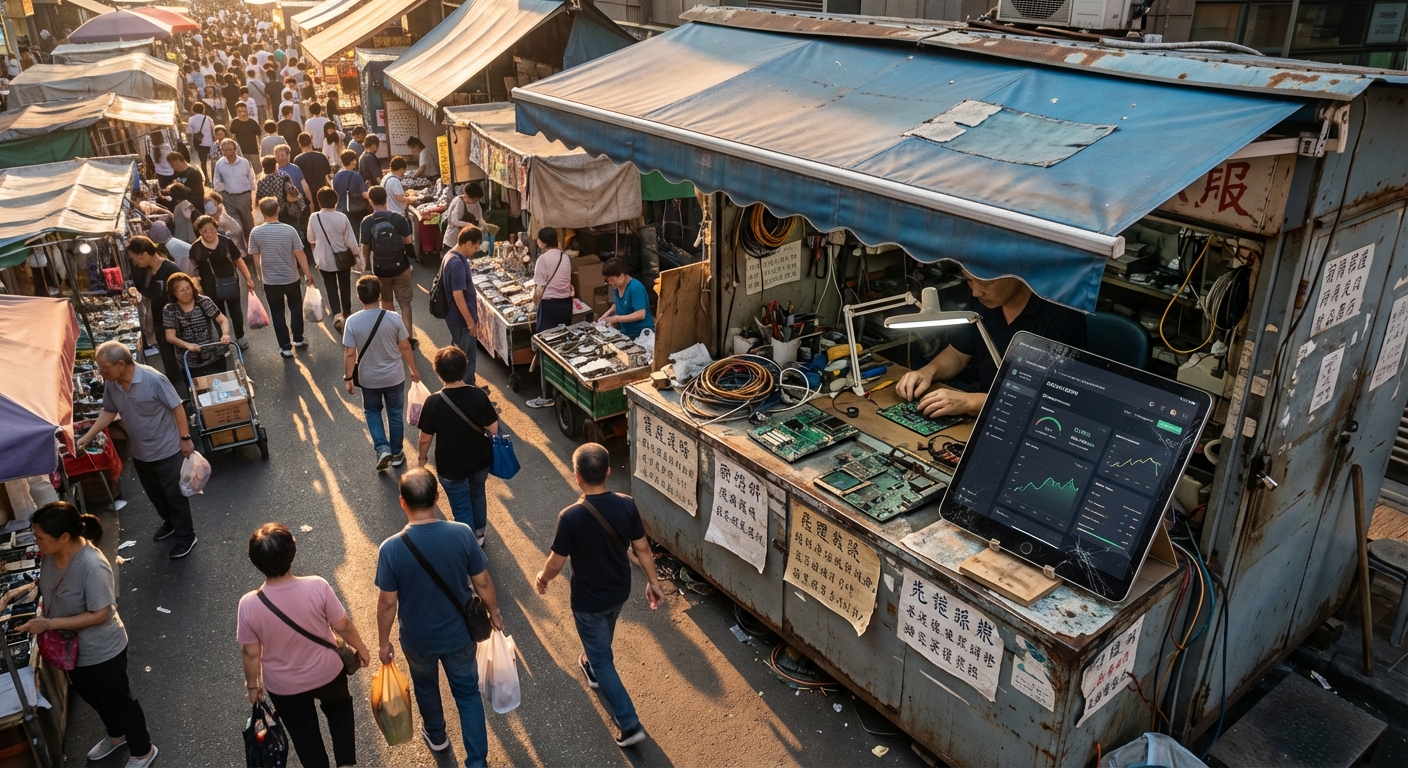
As Solana's DePIN ecosystem surges in the APAC region, the Accelerate APAC Solana initiative stands out as a pivotal force propelling solana depin projects asia toward mainstream adoption in 2025. With Binance-Peg SOL trading at $132.84, reflecting a modest 24-hour gain of and $0.2000 ( and 0.1510%), the network's high-performance backbone is enabling breakthroughs in depin smart hardware solana. Recent events like the DePIN APAC Summit and Accelerate 2025 have spotlighted innovations in smart hardware, edge computing, and decentralized storage, drawing thousands of developers and investors to explore real-world applications.
Accelerate 2025: Igniting Solana DePIN Momentum in APAC
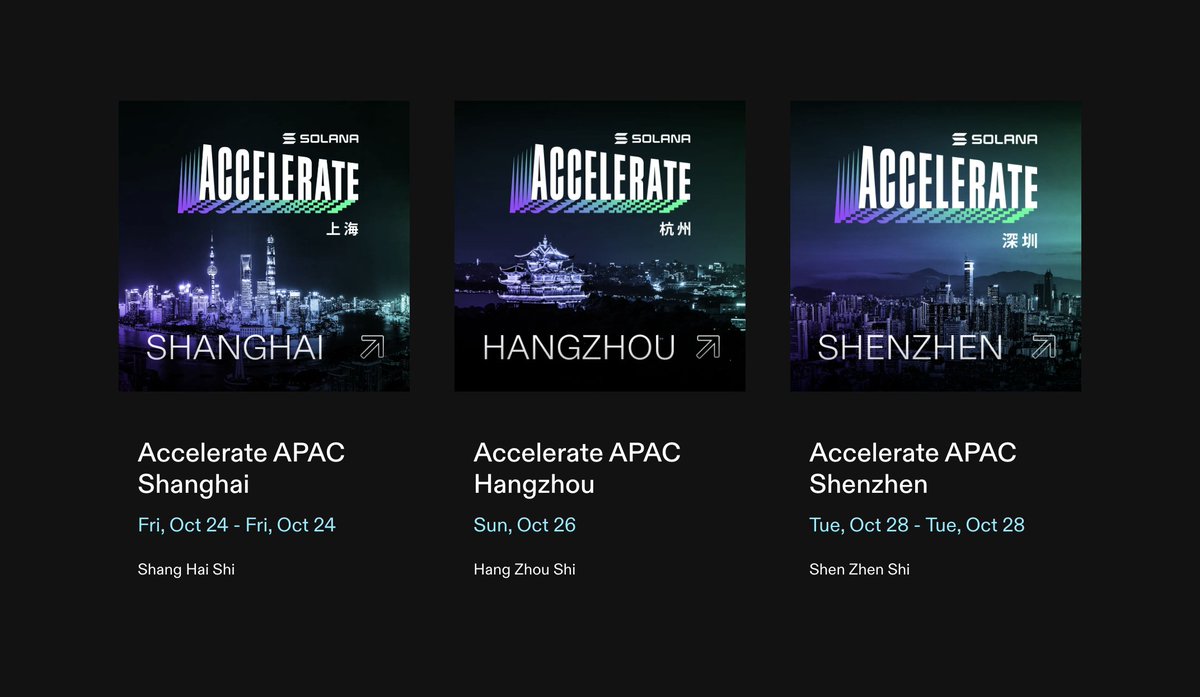
The Accelerate APAC Summit 2025 kicked off with resounding energy, positioning Solana as the go-to layer-1 for solana depin 2025 ambitions. This event, part of broader Solana efforts, highlighted the DePIN APAC Summit's role in fostering product demos, expert panels, and networking. Solana's unmatched speed and low costs make it ideal for orchestrating hardware resources affordably and censorship-resistantly, as evidenced by the summit's focus on fields like decentralized storage, data collection, and payment solutions.
Key announcements stole the show. The TPIN architecture emerged as a game-changer, linking secure hardware with verified users via a guardian network to scale decentralized mobile ecosystems. Cryptographic proofs from devices ensure identity verification and trust, addressing core challenges in solana depin apac. Complementing this, the SKR token launched as the native asset for Solana Mobile, powering verification across TPIN layers and enabling decentralized governance. These developments signal a maturing ecosystem where physical infrastructure meets blockchain efficiency.

Top Solana DePIN Projects Powering APAC Innovation
In the APAC spotlight, projects like io. net lead with a $272 million market cap, offering a decentralized marketplace for GPU and CPU resources tailored to machine learning developers. Backed by heavyweights such as Multicoin Capital and Solana Ventures, io. net is becoming indispensable for AI workloads, leveraging Solana's throughput to handle massive compute demands without centralized bottlenecks.
Nosana follows closely at around $54 million valuation, specializing in decentralized GPU power for AI inference. Since its GPU marketplace debut in January 2025, daily active nodes have spiked, fueled by enterprise and developer uptake. This growth underscores APAC's hunger for scalable, cost-effective compute alternatives.
Roam excels in connectivity, boasting over $60 million market cap and 2.3 million users across 190 countries via 2 million nodes. Its decentralized WiFi and eSIM model delivers borderless access incentivized by tokens, proving DePIN's viability for everyday infrastructure.
Shdw Drive from GenesysGo tackles storage with censorship-resistant solutions, capitalizing on Solana's speed for reliable, transparent file handling. These solana depin projects asia collectively demonstrate how Solana fosters resilient networks amid DePIN's explosive growth: market cap at $19.2 billion, up 270% year-over-year, with 423 projects and 41.8 million devices worldwide.
Solana's Technical Edge for Smart Hardware DePIN
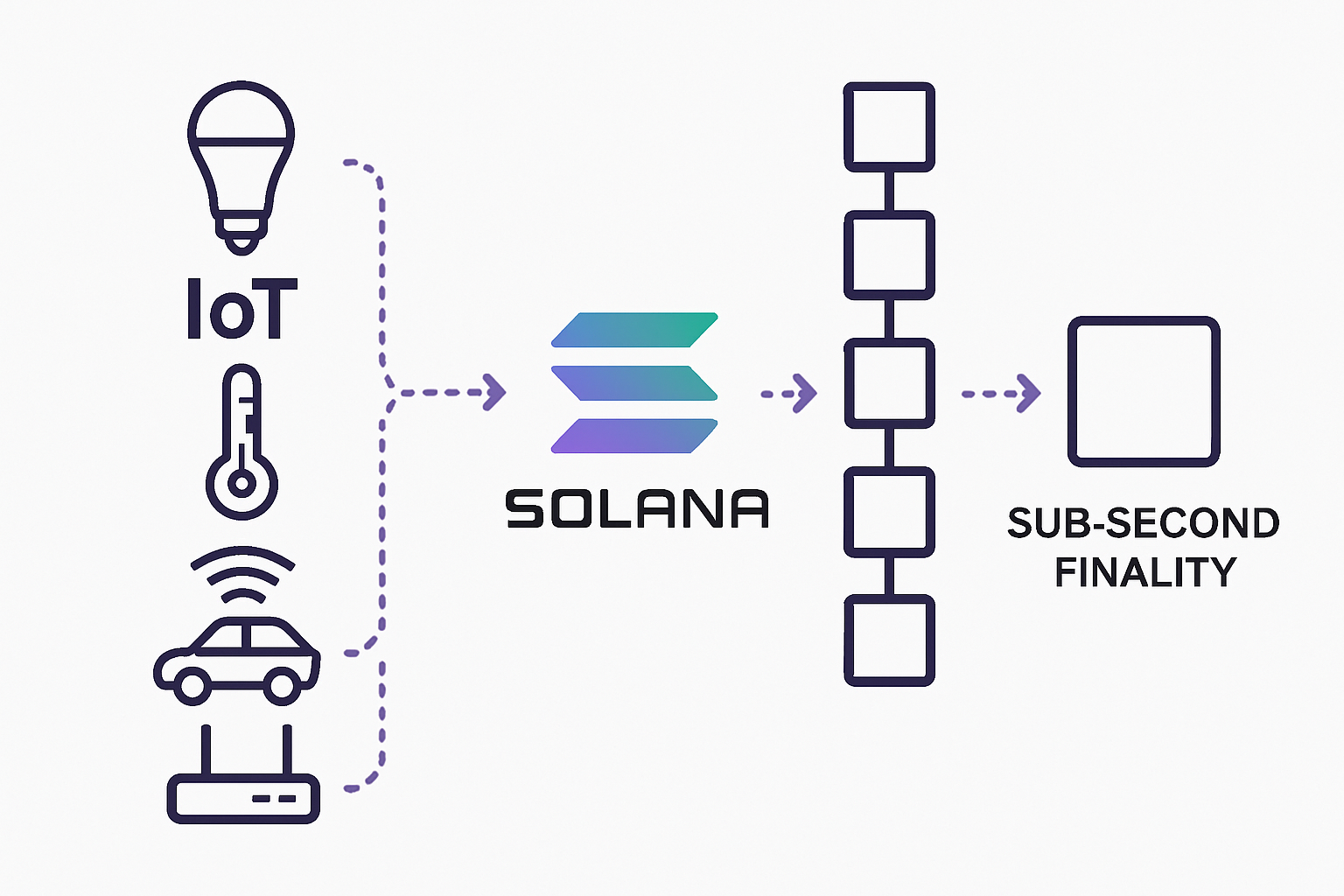
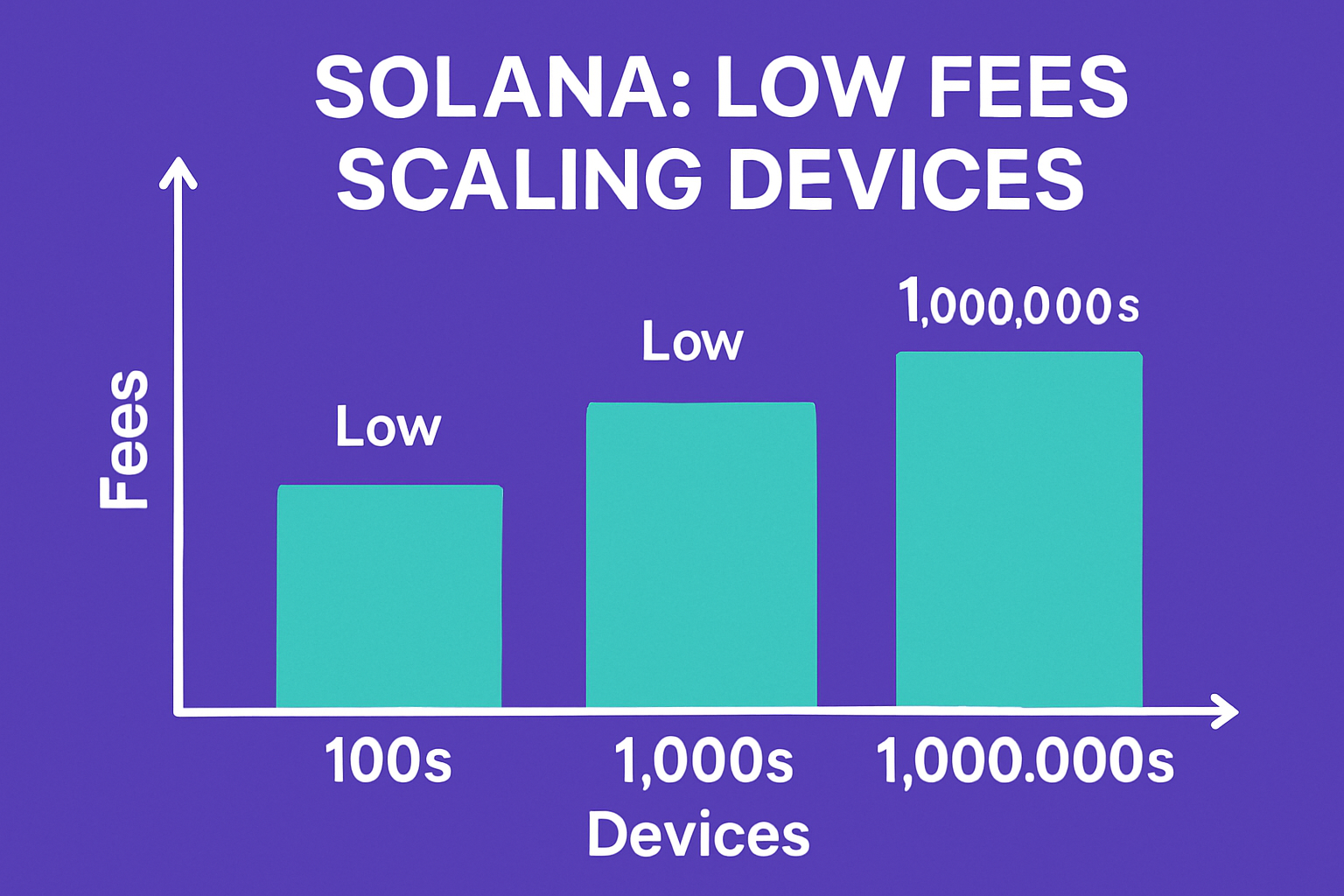
Solana's architecture shines for depin smart hardware solana, offering sub-second finality and fees under a cent, far surpassing competitors strained by physical infrastructure demands. Projects like Helium and Render thrive here, but APAC natives like those above push boundaries further. The DePIN Expo 2025 reinforced this, covering edge computing and smart hardware, with Solana flagged as the preferred high-performance network.
Solana (SOL) Price Prediction 2026-2031: DePIN APAC Acceleration
Forecasts amid Accelerate Initiative, DePIN summits, and growth of top projects like io.net, Nosana, and Roam
| Year | Minimum Price (USD) | Average Price (USD) | Maximum Price (USD) |
|---|---|---|---|
| 2026 | $180 | $290 | $480 |
| 2027 | $240 | $410 | $720 |
| 2028 | $320 | $580 | $1,050 |
| 2029 | $430 | $810 | $1,450 |
| 2030 | $580 | $1,150 | $2,000 |
| 2031 | $750 | $1,550 | $2,700 |
Price Prediction Summary
Solana's focus on DePIN in APAC through Accelerate 2025 and summits positions SOL for strong growth, with average prices potentially rising from $290 in 2026 to $1,550 by 2031 (over 1,065% from current $132.84), driven by real-world utility in smart hardware, AI compute, and decentralized networks. Bullish max reflects adoption surges; min accounts for bearish cycles.
Key Factors Affecting Solana Price
- DePIN APAC Summit and Accelerate 2025 fostering ecosystem expansion
- Leadership in high-speed, low-cost infrastructure for DePIN projects (io.net, Nosana, Roam, Shdw Drive)
- TPIN architecture and SKR token enabling secure mobile DePIN
- Increasing AI/ML and storage use cases boosting network demand
- Crypto market cycles with potential 2025-2026 bull run spillover
- APAC regulatory progress and institutional adoption
- Competition from other L1s and macroeconomic volatility as risks
Disclaimer: Cryptocurrency price predictions are speculative and based on current market analysis. Actual prices may vary significantly due to market volatility, regulatory changes, and other factors. Always do your own research before making investment decisions.
Macro trends amplify this: over $744 million raised across DePIN, with Solana capturing significant share through initiatives like Accelerate. As APAC's tech hubs in Singapore, Tokyo, and Seoul embrace these tools, expect hardware-integrated DePIN to redefine supply chains and IoT. Stepn's move-to-earn model hints at broader potential, blending physical activity with on-chain rewards seamlessly on Solana.
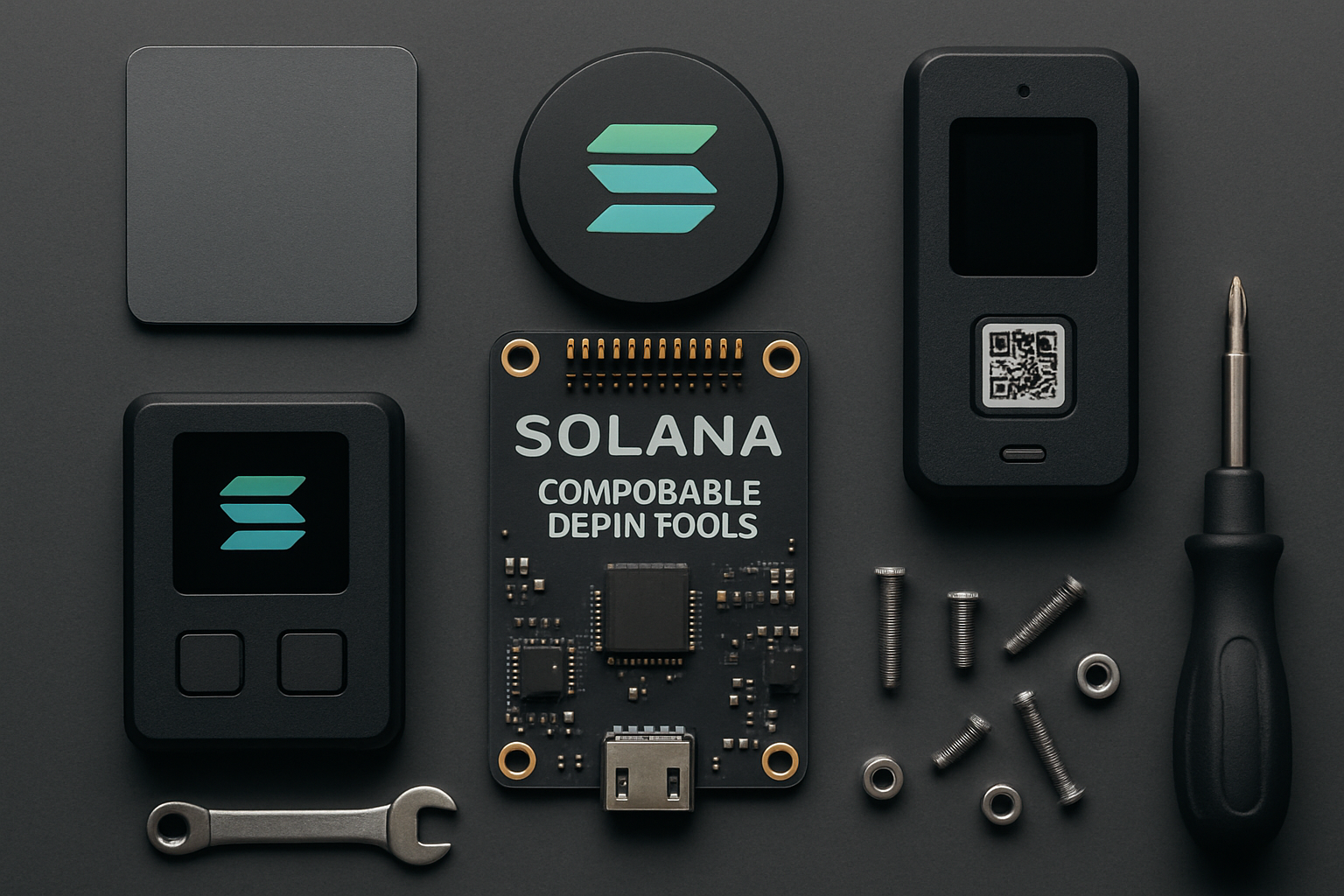
While Stepn pioneered this fusion, newer APAC-focused efforts are scaling it across industries, from logistics to environmental monitoring. Solana's composable hardware orchestration, as outlined in its DePIN resources, ensures these networks remain affordable and resilient, even as device counts explode toward 41.8 million globally.
APAC DePIN Growth Metrics: Numbers That Matter
The data paints a compelling picture for solana depin apac. DePIN's total market cap has rocketed to $19.2 billion, a 270% surge year-over-year, fueled by over $744 million in funding. Solana-native projects command a outsized slice, with io. net's GPU marketplace alone signaling AI's convergence with decentralized hardware. Nosana's node growth post-January 2025 launch mirrors this, as developers in Tokyo and Singapore swap pricey cloud GPUs for token-incentivized alternatives. Roam's 2.3 million users across 190 countries further prove connectivity DePIN's stickiness, while Shdw Drive's storage uptime rivals AWS without the single points of failure.
Top Solana DePIN Projects
| Project | Token | Market Cap | Primary Focus | Key Highlights |
|---|---|---|---|---|
| io.net | IO | $272M | GPU/CPU for AI | Decentralized compute marketplace for machine learning developers |
| Nosana | NOS | $54M | AI inference GPUs | GPU marketplace with rising daily active nodes |
| Roam | ROAM | $60M+ | WiFi/eSIM connectivity | 2.3M users across 190 countries |
| Shdw Drive (GenesysGo) | SHDW | N/A | Decentralized storage | Censorship-resistant file storage on Solana |
These aren't isolated successes; they're symbiotic. TPIN's guardian network, unveiled at accelerate apac solana, could supercharge them by verifying device identities at scale. Imagine Roam's nodes authenticated via cryptographic proofs, slashing fraud in high-stakes APAC mobile markets. SKR token governance adds teeth, letting node operators vote on upgrades, democratizing what were once corporate fiefdoms.
Yet conviction demands scrutiny. Solana's $132.84 price, up $0.2000 in 24 hours ( and 0.001510%), holds steady amid broader crypto volatility, hinting at DePIN's decoupling from memecoin hype. This stability stems from real utility: sub-second settlements for micro-payments in data collection networks, or real-time proofs for smart hardware fleets. DePIN Expo 2025 echoed this, spotlighting Solana's edge in smart hardware over slower chains.
Solana's Edge for DePIN Smart Hardware
- Sub-second finality enables real-time IoT data streams for responsive smart hardware.
- Fees under $0.01 scale millions of devices cost-effectively on high-throughput network.
- Composable tools streamline hardware orchestration and resource coordination.
- APAC summits like Accelerate 2025 boost developer adoption and innovation. Learn more

- Proven projects like Helium thrive on Solana's superior throughput for DePIN.
Challenges Ahead and Solana's Playbook
No revolution skips hurdles. Hardware onboarding remains tricky; devices must be tamper-proof and internet-connected, a barrier in rural APAC stretches. Regulatory fog in regions like Indonesia adds friction for token rewards. But Solana counters smartly. Accelerate 2025's TPIN tackles verification head-on, while grants from Solana Foundation bootstrap node deployments. Projects like Nosana mitigate compute centralization risks by grid-distributing inference loads, ensuring AI stays open-source friendly.
Opinion: Skeptics undervalue APAC's role. With 60% of global DePIN devices projected here by 2026, Solana's summits aren't fluff, they're flywheels. io. net's Multicoin backing validates this; their bet on Solana compute predates the AI boom. Roam's user trajectory suggests network effects kicking in, where each new node boosts coverage exponentially.
For investors eyeing solana depin 2025, the thesis sharpens: allocate to tokens with live hardware traction, not vaporware. io. net and Nosana offer AI upside, Roam connectivity moats, Shdw evergreen storage demand. Pair with SOL at $132.84, whose DePIN tailwinds could propel breakouts as adoption compounds.
Solana isn't just hosting DePIN, it's engineering the physical world's decentralization. From Seoul's edge nodes to Singapore's data hubs, solana depin projects asia are wiring the future, one verified device at a time. As Accelerate momentum builds, 2025 beckons as the year hardware truly goes on-chain.



No comments yet. Be the first to share your thoughts!