

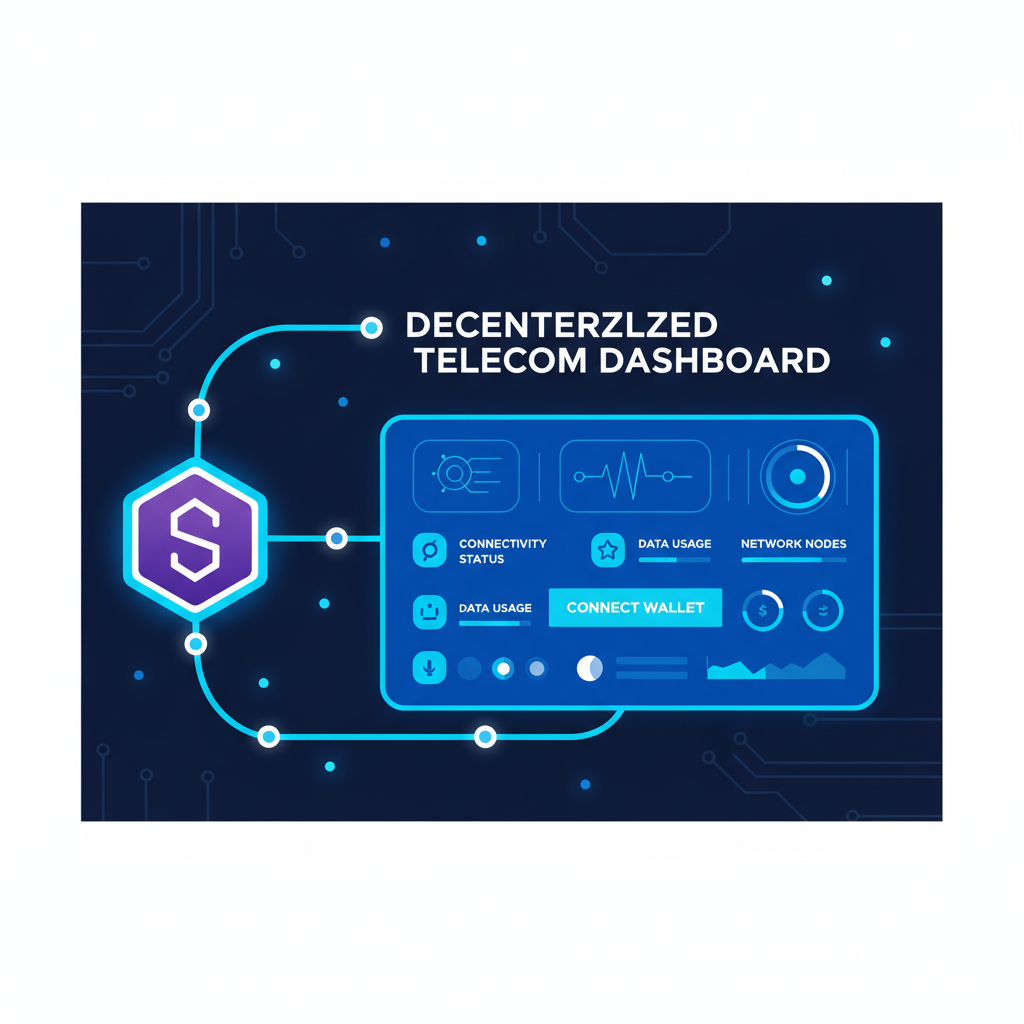
In the $3.5 trillion telecom sector, centralized giants dominate real-time communication stacks, leaving users vulnerable to outages, censorship, and escalating costs. Enter dTelecom Solana DePIN, a decentralized real-time communication network that flips the script by crowdsourcing infrastructure through Solana nodes. This solana depin telecom project targets the core of WebRTC with community-operated bandwidth, processing, and storage, all secured on Solana's high-throughput chain.
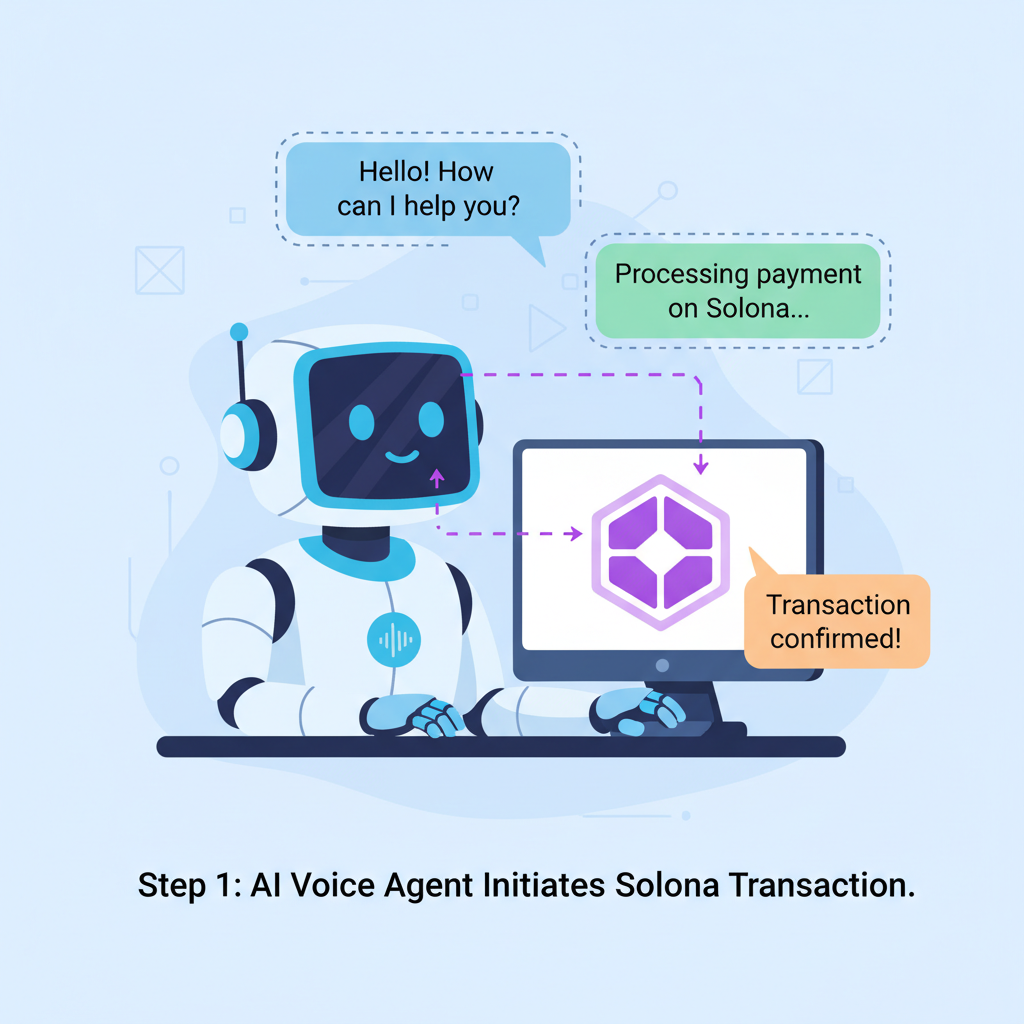
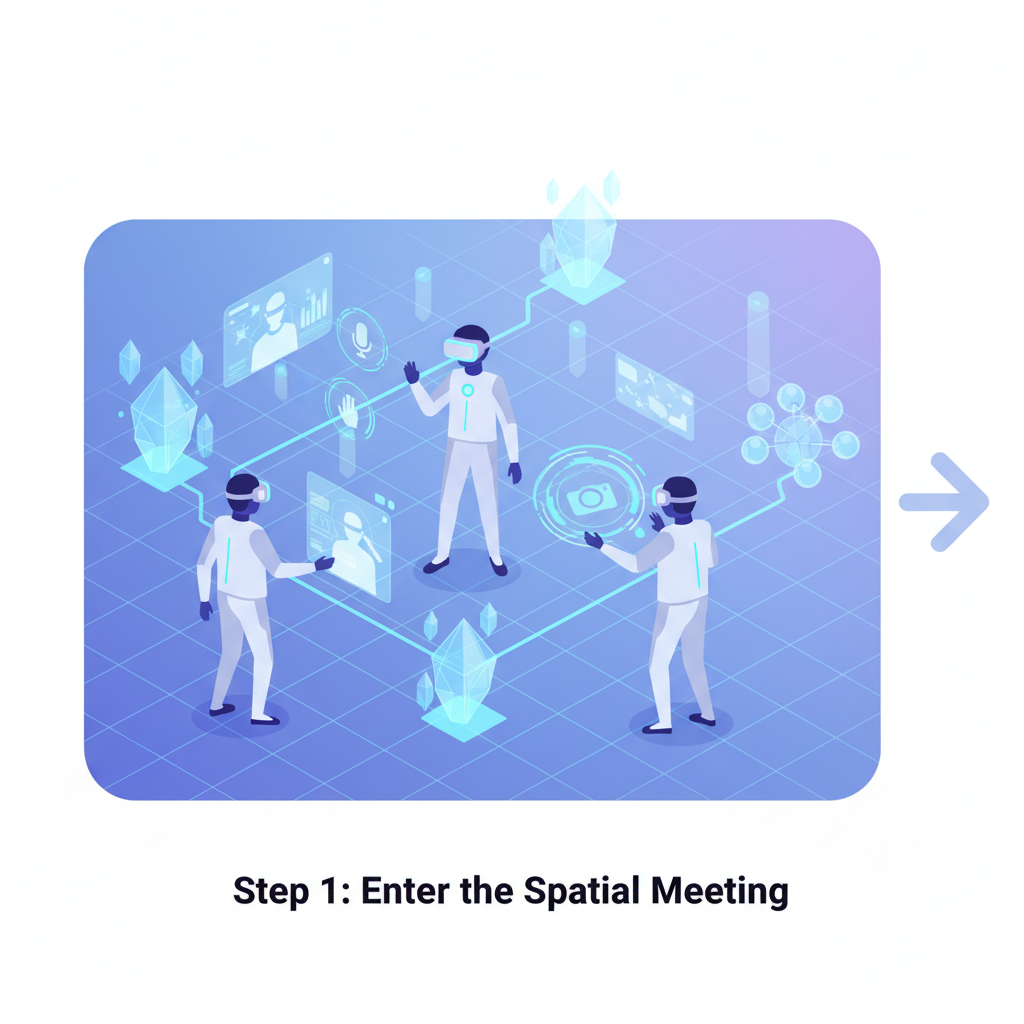
dTelecom's ecosystem spans dMeet for video conferencing, robust livestreaming, AI Voice Agents for intelligent interactions, and Spatial environments for immersive meetings. Developers get SDKs to build natively, fostering a flywheel of adoption. Backed by Solana Foundation grants, Google, and peaq, it bridges DePIN, AI, and telecom. With 50K and users and 35M and minutes processed, traction signals real momentum in depin real-time communication solana.
Why Centralized Telecom Fails and DePIN Fixes It
Traditional RTC relies on proprietary servers from the likes of Zoom or Twilio, prone to single points of failure. A 2024 outage at a major provider disrupted millions; costs ballooned 30% year-over-year. dTelecom counters this with tokenized incentives: node operators earn $DTEL for contributing compute and bandwidth. Solana's sub-second finality and 65K TPS capacity make it ideal for low-latency dRTC, unlike Ethereum's congestion.
Solana DePIN stats underscore the fit. By June 2025, the chain handled 26 million DePIN transactions from 2 million wallets. Projects like Helium and Hivemapper paid $7.6M in July alone across ten networks. dTelecom positions as the telecom layer, capturing value in a market a16z calls the shift from monopolies to protocols.

Solana's Execution Layer Advantage for dTelecom
Solana excels as DePIN's execution layer due to its proof-of-history consensus, slashing latency critical for voice and video. dTelecom leverages this for peer-to-peer routing, where nodes validate streams on-chain. Risks persist: network centralization via Jito could amplify MEV issues, and Solana outages, though rare post-2023 upgrades, remind us of uptime bets.
Strategically, position early via node deployment or usage. Yet hedge exposure; DePIN rewards correlate with adoption, not hype. Compound VC notes DePIN's imperfect present; bootstrapping physical infra demands patience. dTelecom mitigates with grants and phased rollouts, but monitor validator diversity and tokenomics pre-TGE.
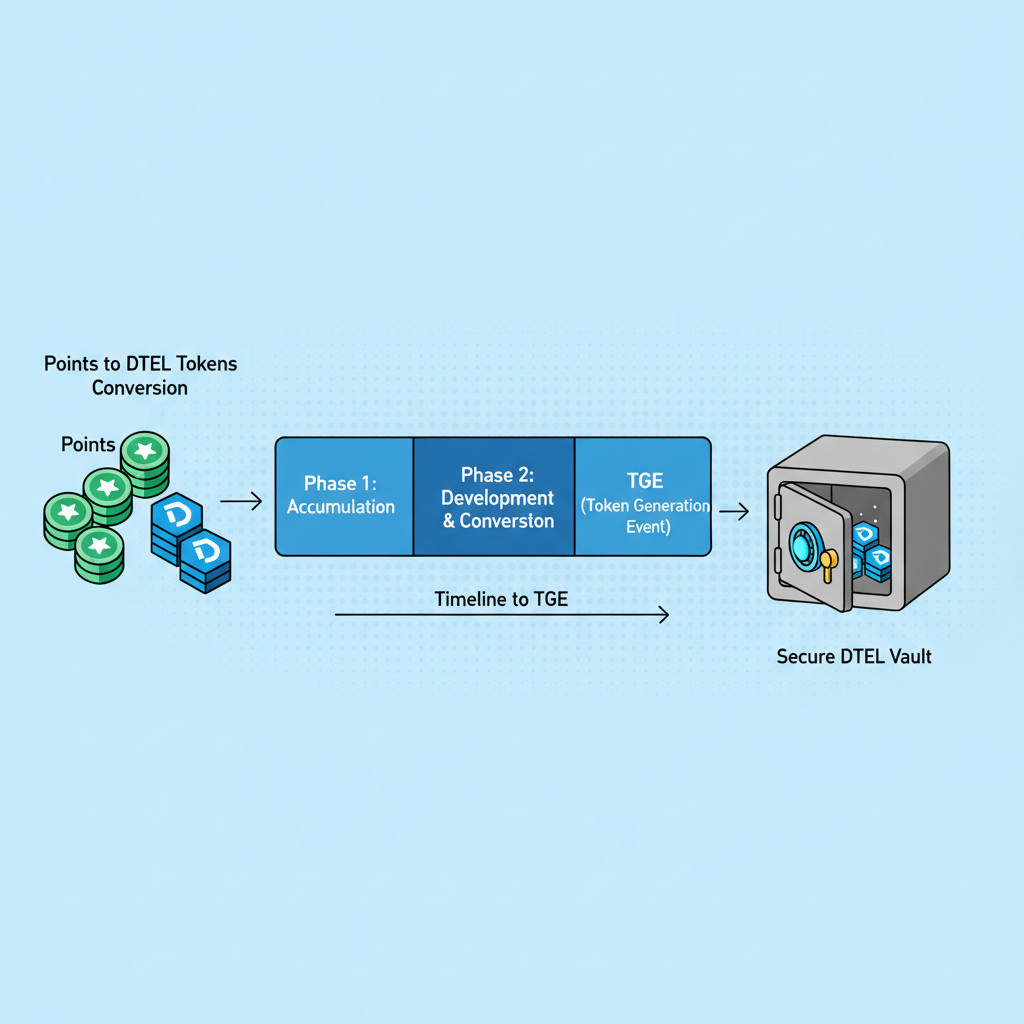
The Solana DePIN quickstart highlights staking for security, minting utility tokens like $DTEL for governance and payments. dTelecom's model aligns: points from ecosystem use convert to tokens, weighting active participants.
Mastering the dTelecom Airdrop: Points, Allocations, and Risk Management
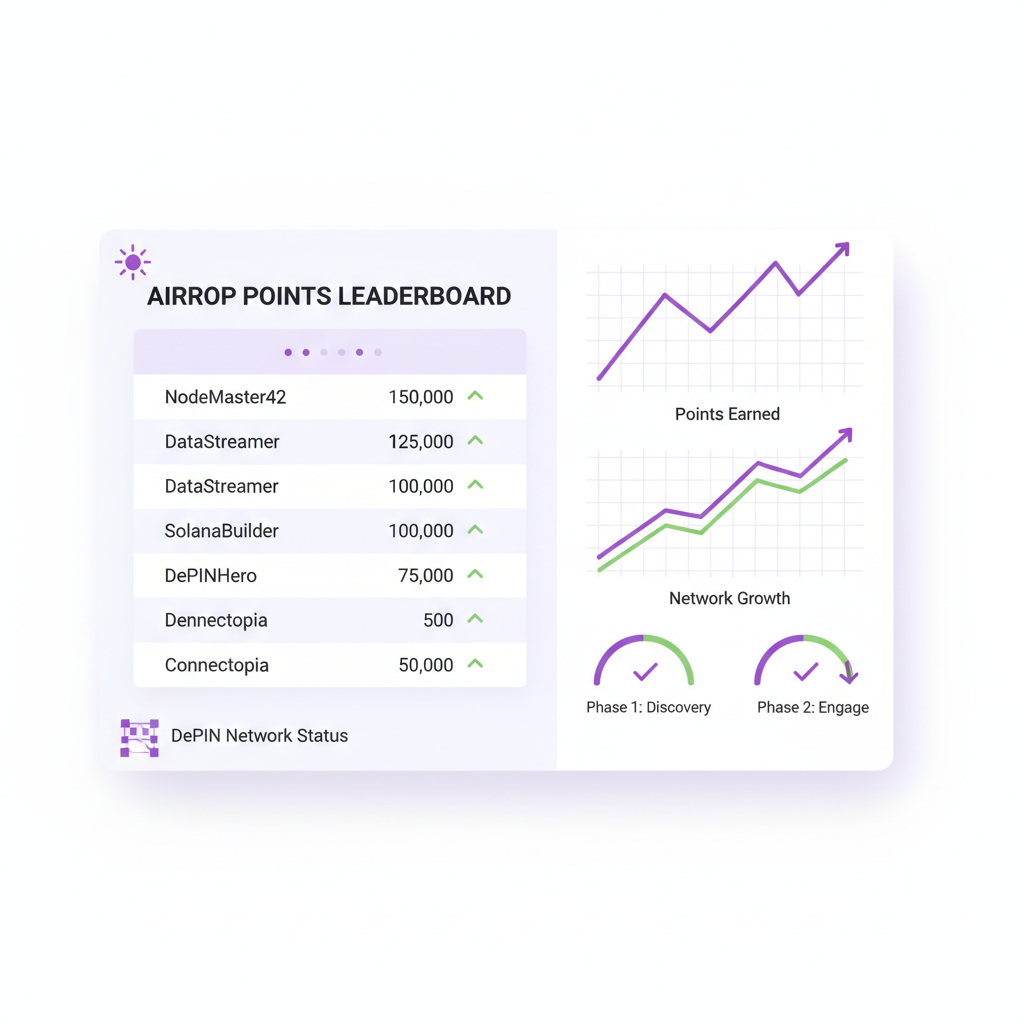
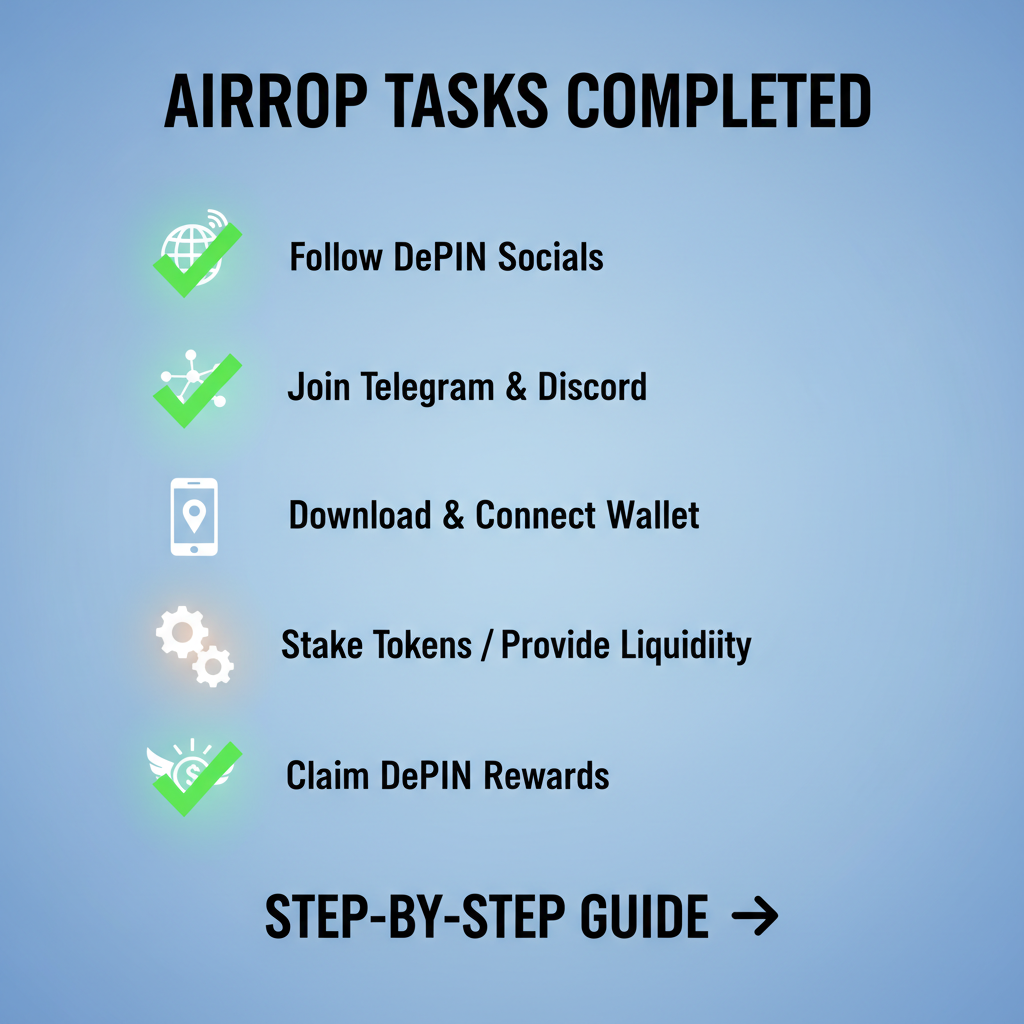
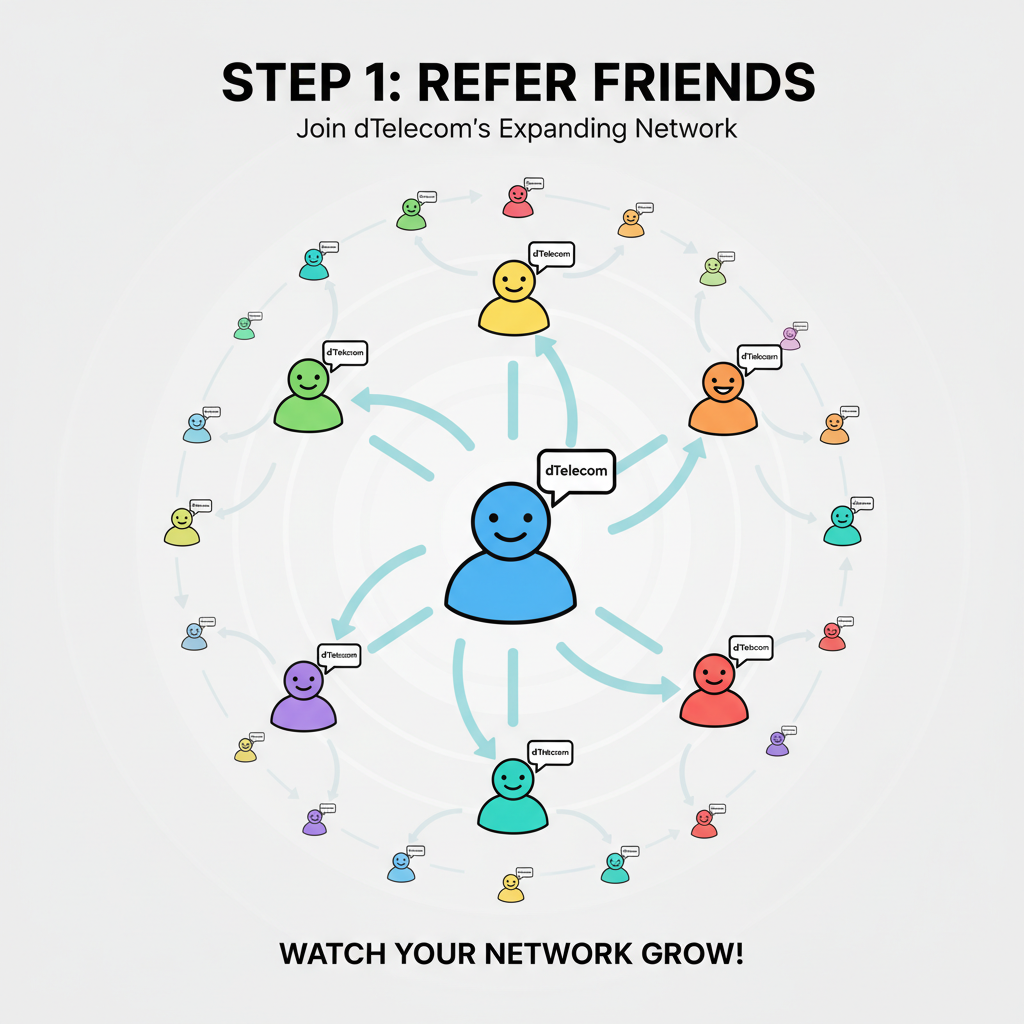
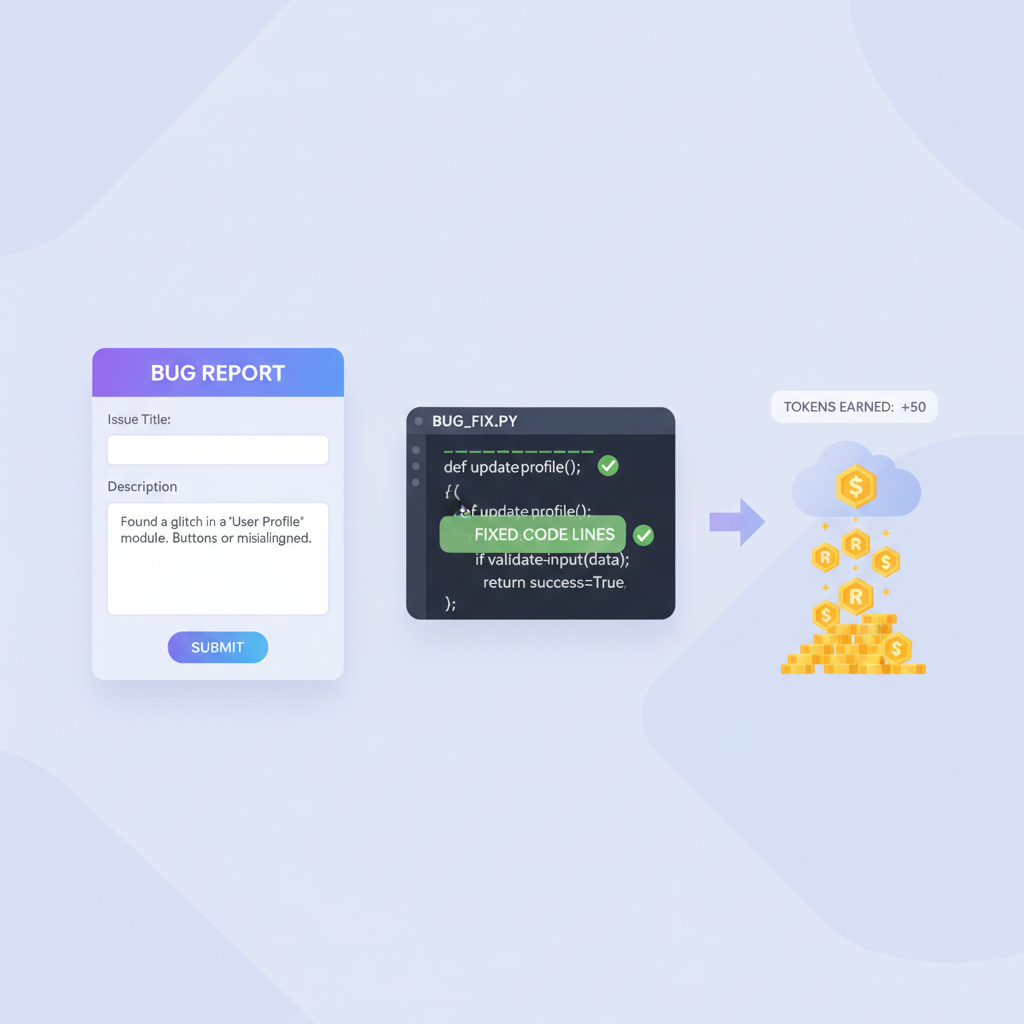
The $2.6M Phase 2 airdrop is live, doling $DTEL to users grinding dMeet calls, livestreams, AI agents, and Spatial sessions. Tasks, bug reports, referrals boost points; leaderboards dictate shares. Stage 3 converts to tokens pre-2026 TGE, with options for instant liquidity or vested unlocks. Highest leverage? Consistent multi-app usage tracked via rewards dashboard.

Risk-aware entry: airdrop farming yields asymmetric upside but ties capital to unproven traction. Dilution looms post-TGE; 50K users must scale to millions for sustainability. Weigh against Solana DePIN peers; io. net and Render show rewards follow utility. Structure positions with stops on key metrics like daily active users or minutes processed.
Node operators face hardware costs and uptime demands, but $DTEL payments offset these for top performers. My take: treat dTelecom as a convex bet within a diversified Solana DePIN portfolio. Allocate no more than 5-10% to pre-TGE farming, paired with hedges like short-dated Solana puts if volatility spikes.
Step-by-Step: Optimizing Your dTelecom Airdrop Position
Max dTelecom Phase 2 Airdrop: Strategic Points Farming Guide


Daily active users hit 50K with 35 million minutes processed, yet scaling to telecom-scale demands ruthless execution. dTelecom's SDKs invite devs to embed dRTC, potentially exploding network effects. Watch for Phase 3 post-ICO mechanics; real-world DePIN fundraising ties tokens to verifiable infra, per Blockchain App Factory insights.
Solana's DePIN ecosystem rewarded $7.6 million in July 2025 across Helium to Wayru, proving the model. dTelecom slots in as the real-time comms specialist, but execution risks loom: competition from centralized incumbents with deep pockets, regulatory scrutiny on tokenized bandwidth, and oracle dependencies for off-chain verification.
Structuring hedged plays demands precision. For aggressive traders, pair airdrop points with $SOL calls expiring post-TGE; conservative types stack via staking pools once live. FRM lens: volatility clusters around TGE, so ladder entries based on milestones like 100K users or 100M minutes.
DePIN's promise shines in Solana's execution layer, where dtelecom solana depin telecom disrupts via tokenized incentives. Unlike Ethereum layers bogged by fees, Solana handles bursty RTC traffic seamlessly. Backers like Google signal enterprise validation, but ground truth lies in retention metrics.
dTelecom DePIN: Strategic Positioning in Solana Decentralized Telecom
Position dTelecom as a mid-cap DePIN contender post-TGE. Upside catalysts: AI Voice Agent integrations driving viral loops, spatial tech capturing metaverse adjacencies, and peaq interoperability for cross-chain nodes. Downside hedges: exit if DAU growth stalls below 20% MoM or minutes processed plateau.
Syndica's July deep dive flags reward sustainability; dTelecom must match peers' $7.6M monthly payouts to retain operators. Compound VC's realism tempers hype: DePIN bootstraps imperfectly, but Solana's 26 million txns validate the stack. My portfolio rule: cap DePIN at 15%, with dTelecom weighted to traction velocity.
Early movers in solana depin telecom reap outsized shares, but risk-adjusted math favors patient capital. Grind points across apps, deploy nodes selectively, and track leaderboards weekly. As Solana powers DePIN's physical frontier, dTelecom carves the comms niche, blending AI and infra for trillion-dollar capture. Stay strategic; volatility rewards the prepared.





No comments yet. Be the first to share your thoughts!