

In the $3.5 trillion telecom behemoth, centralized giants have long dictated terms, but dTelecom on Solana flips the script with its DePIN model. Imagine community nodes delivering buttery-smooth, low-latency voice, video, and AI interactions without Big Tech middlemen. This decentralized telecom Solana powerhouse lets you own your data, monetize bandwidth, and ride the wave of real-time communication powered by blockchain incentives.
Solana's blistering speed and low fees make it the perfect canvas for dTelecom's decentralized real-time communication (dRTC) network. With SOL trading at $79.80, down 2.18% in the last 24 hours from a high of $82.05, the chain's resilience shines through volatile markets. dTelecom taps this infrastructure to host AI-powered voice/video/chat, bridging users directly to LLMs while node operators earn $DTEL tokens. It's not just hype; 50,000 users have clocked over 35 million minutes of usage, proving the model's stickiness.
DePIN Telecom Solana: Community Nodes as the New Backbone
At its core, dTelecom Solana thrives on DePIN principles: everyday folks spin up nodes using home devices, contributing bandwidth and compute to fuel the network. Solana's DePIN ecosystem rewards this real-world utility, much like sharing WiFi or storage, but for ultra-low latency telecom. Node runners validate and relay real-time data streams, ensuring calls don't drop and videos stay crisp even under heavy load.
What sets dTelecom apart? Its open-source SDKs let developers plug in voice calling, video conferencing, interactive streaming, and AI voice agents with minimal hassle. Costs plummet compared to WebRTC giants, and censorship resistance keeps data sovereign. Backed by Solana Foundation grants, Google, ElevenLabs, and peaq, this isn't a fringe experiment; it's battle-tested momentum.
Decentralized Physical Infrastructure Networks (DePIN) let anyone earn rewards by powering real-world infrastructure, like WiFi, data storage, or computing.
Practical upside: scalability. Centralized servers choke during peaks, but dTelecom's distributed nodes auto-scale, dodging single points of failure. For Solana DePIN voice video AI apps, this means reliable performance worldwide, from urban hotspots to remote edges.
dTelecom Nodes Rewards: Fueling Participation with Incentives
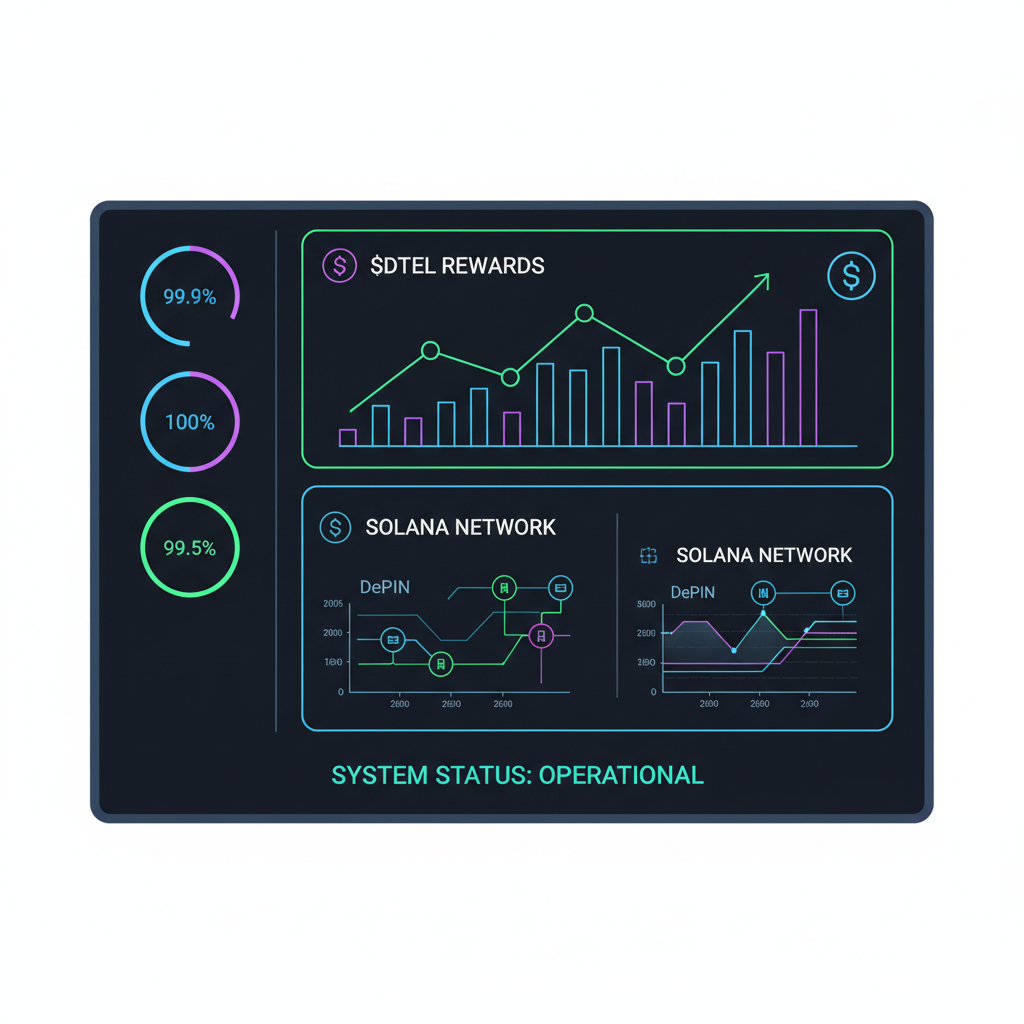
Earning with dTelecom nodes rewards is straightforward and lucrative. Run a node, provide quality bandwidth, and snag $DTEL based on uptime, throughput, and peer validation. It's a meritocracy; top performers climb leaderboards and multiply yields. The ongoing $2.6 million airdrop supercharges this, with zero-cost entry via social tasks, FROGY app usage, and dMeet engagement.
Points accrue fast: complete quests, invite friends, or just keep nodes humming. Eligibility ties to genuine contribution, weeding out bots. I've seen early DePIN plays like this explode as tokenomics align supply with demand. With Solana's $79.80 price anchoring stability, node ops hedge volatility while building long-term positions.
Insightful edge: market psychology favors proven traction. dTelecom's 35 million minutes signal network effects kicking in. Operators aren't gamblers; they're infrastructure providers in a tokenized economy, turning idle modems into passive income machines.
AI Meets Real-Time: Low-Latency Breakthroughs in Action
Solana DePIN voice video AI isn't buzzword salad; dTelecom's dRTC stack integrates LLMs for seamless human-AI banter. Picture voice agents handling customer service or live streams with overlaid AI insights, all latency under 100ms thanks to Solana's sub-second finality and node proximity.
Developers love the toolkit: embed SDKs for peer-to-peer routing, slashing bills 90% versus AWS alternatives. Community nodes handle the heavy lifting, so apps stay lean and global. From telehealth calls to AI tutors, use cases stack up, each rewarding the mesh that powers them.
dTelecom (DTEL) Price Prediction 2027-2032
Post-Airdrop Projections Based on DePIN Growth, Solana Ecosystem, 50K+ Users, and AI Telecom Adoption
| Year | Minimum Price (USD) | Average Price (USD) | Maximum Price (USD) |
|---|---|---|---|
| 2027 | $0.03 | $0.15 | $0.60 |
| 2028 | $0.08 | $0.35 | $1.20 |
| 2029 | $0.15 | $0.75 | $2.50 |
| 2030 | $0.30 | $1.50 | $5.00 |
| 2031 | $0.60 | $3.00 | $10.00 |
| 2032 | $1.20 | $5.50 | $18.00 |
Price Prediction Summary
dTelecom (DTEL) shows strong long-term potential with average prices projected to grow from $0.15 in 2027 to $5.50 by 2022, representing over 35x growth. Bullish maxima driven by DePIN adoption and Solana bull cycles could reach $18, while minima account for bear markets and regulatory risks. Projections assume progressive user growth, node expansion, and AI integrations amid crypto market cycles.
Key Factors Affecting dTelecom Price
- DePIN sector boom on Solana (current SOL $79.80 baseline)
- Rapid user scaling from 50K base and $2.6M airdrop incentives
- Strategic backers: Solana Foundation, Google, peaq, ElevenLabs
- AI-powered dRTC use cases disrupting $3.5T telecom industry
- Market cycles: Bullish adoption phases vs. bearish corrections (20-80% drawdowns)
- Regulatory clarity on decentralized infrastructure
- Competition from other DePINs (e.g., Helium) and centralized telecom giants
- Technological milestones: SDK integrations, node rewards optimization
Disclaimer: Cryptocurrency price predictions are speculative and based on current market analysis. Actual prices may vary significantly due to market volatility, regulatory changes, and other factors. Always do your own research before making investment decisions.
Opinion: in a post-privacy world, dTelecom's data ownership model wins hearts and wallets. No more feeding chats to corporate overlords; users control, monetize, and interact freely. As Solana holds $79.80 amid dips, dTelecom positions as the DePIN telecom dark horse ready to sprint.
That sprint gains speed with tangible entry points for builders and earners alike. Whether you're a dev itching to integrate dRTC or a bandwidth baron eyeing passive gains, dTelecom's ecosystem lowers barriers while stacking rewards. Solana's steady $79.80 footing underscores the chain's maturity for these high-stakes plays.
Decentralized Telecom Solana: Airdrop and Node Setup Essentials
The $2.6 million airdrop isn't just free crypto; it's rocket fuel for dTelecom Solana adoption. Zero upfront costs mean anyone can stack points through quick wins like app usage and community quests. This momentum mirrors early DePIN surges, where grassroots participation snowballs into network dominance. Pair it with node operation, and you're not just eligible; you're foundational.
Launch Your dTelecom Node on Solana: Earn $DTEL Rewards with Bandwidth Power!
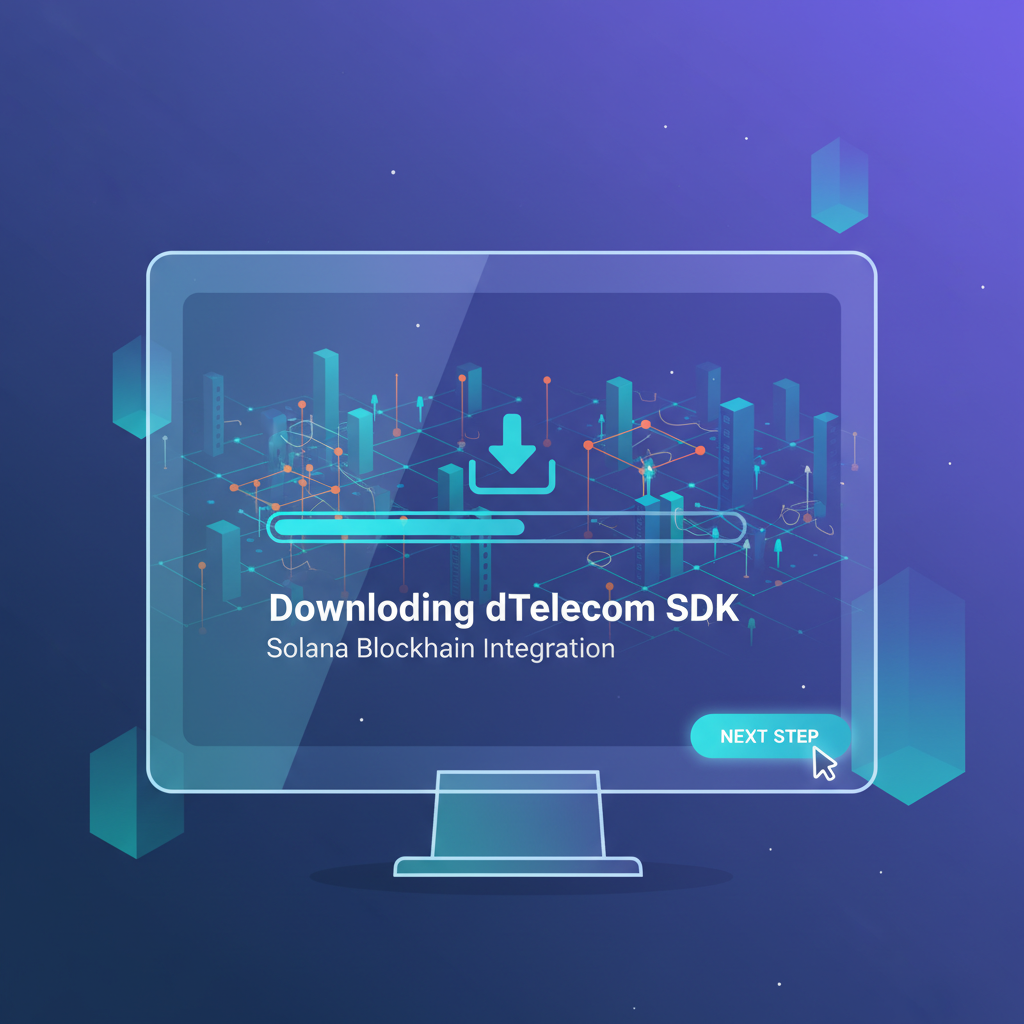
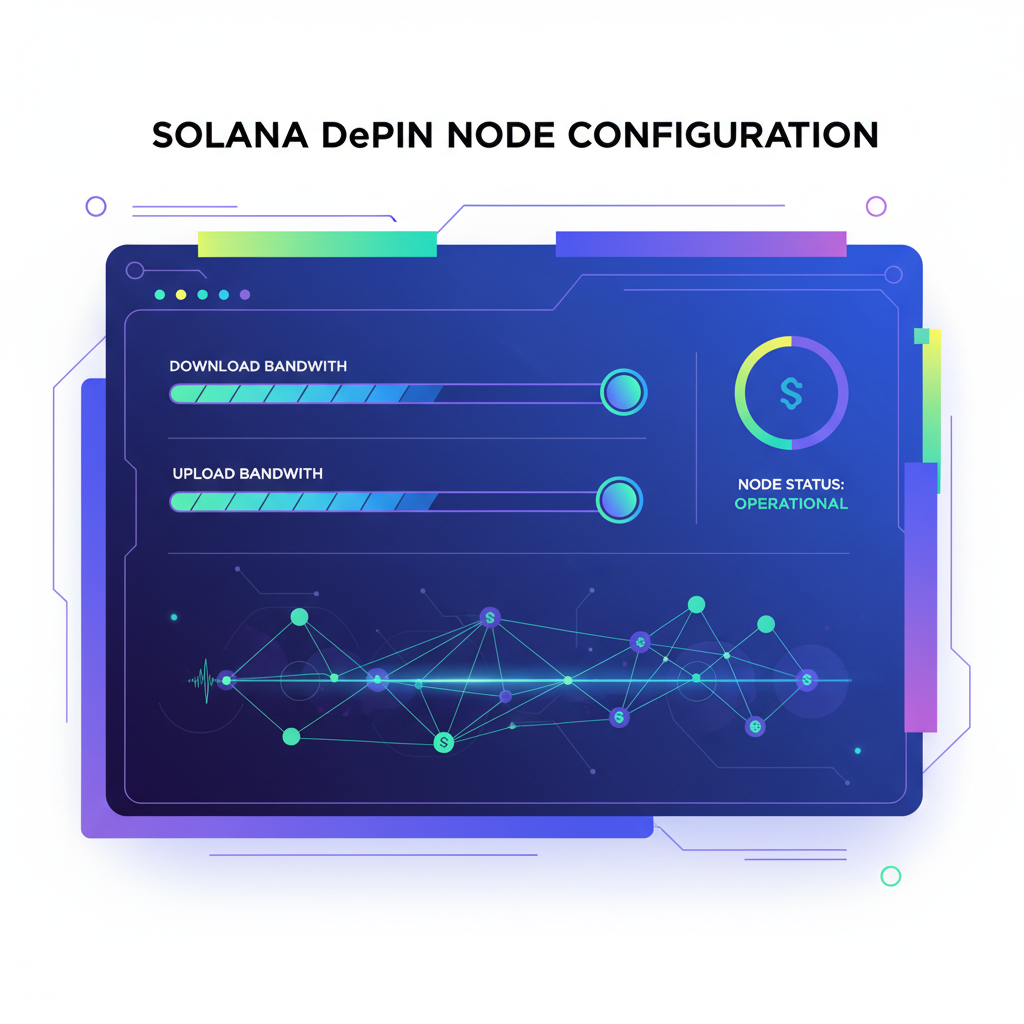
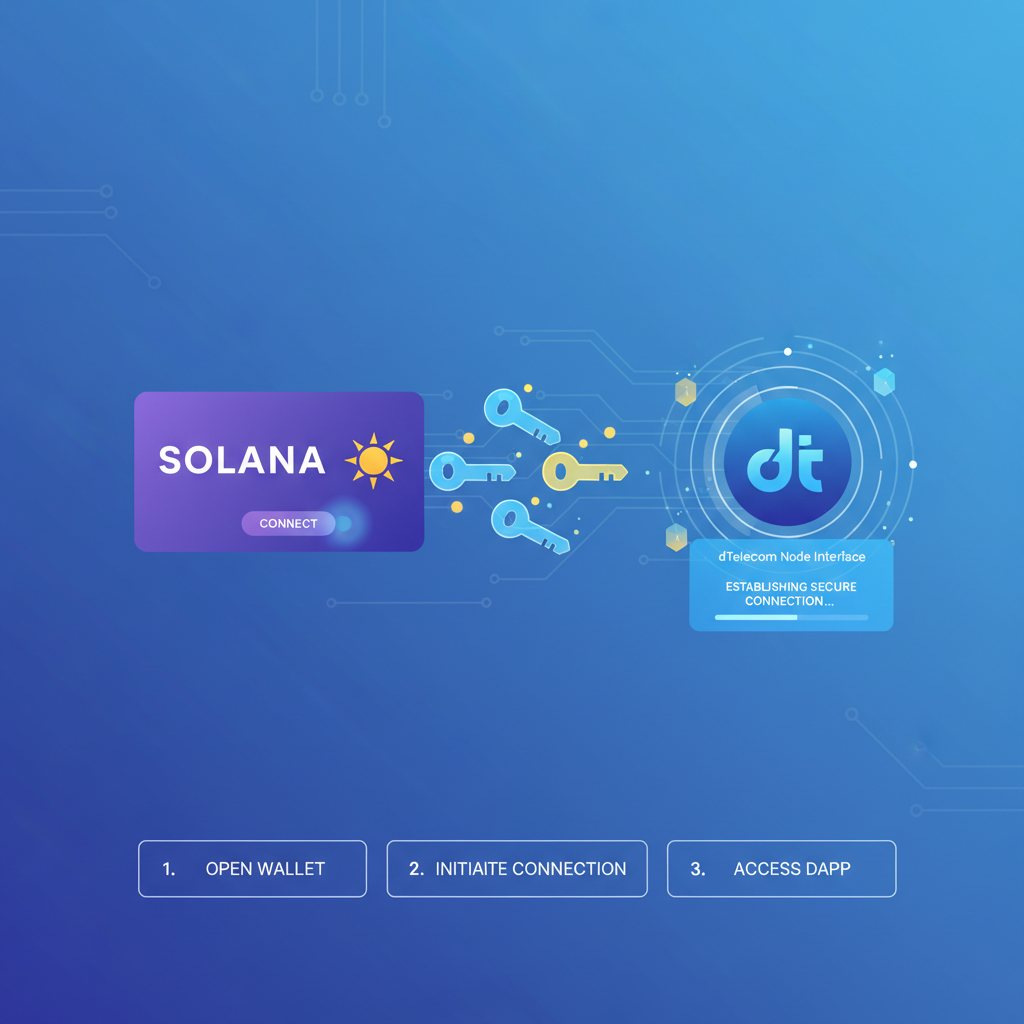
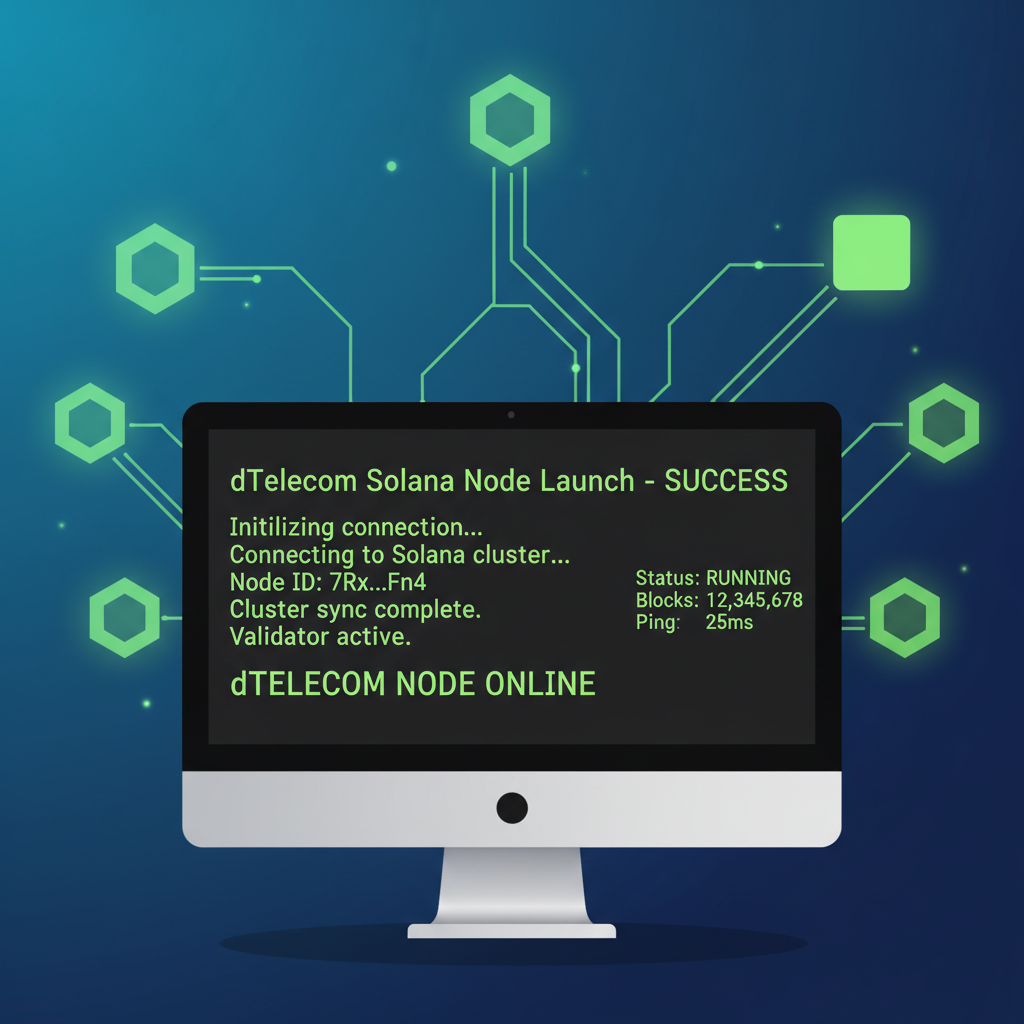
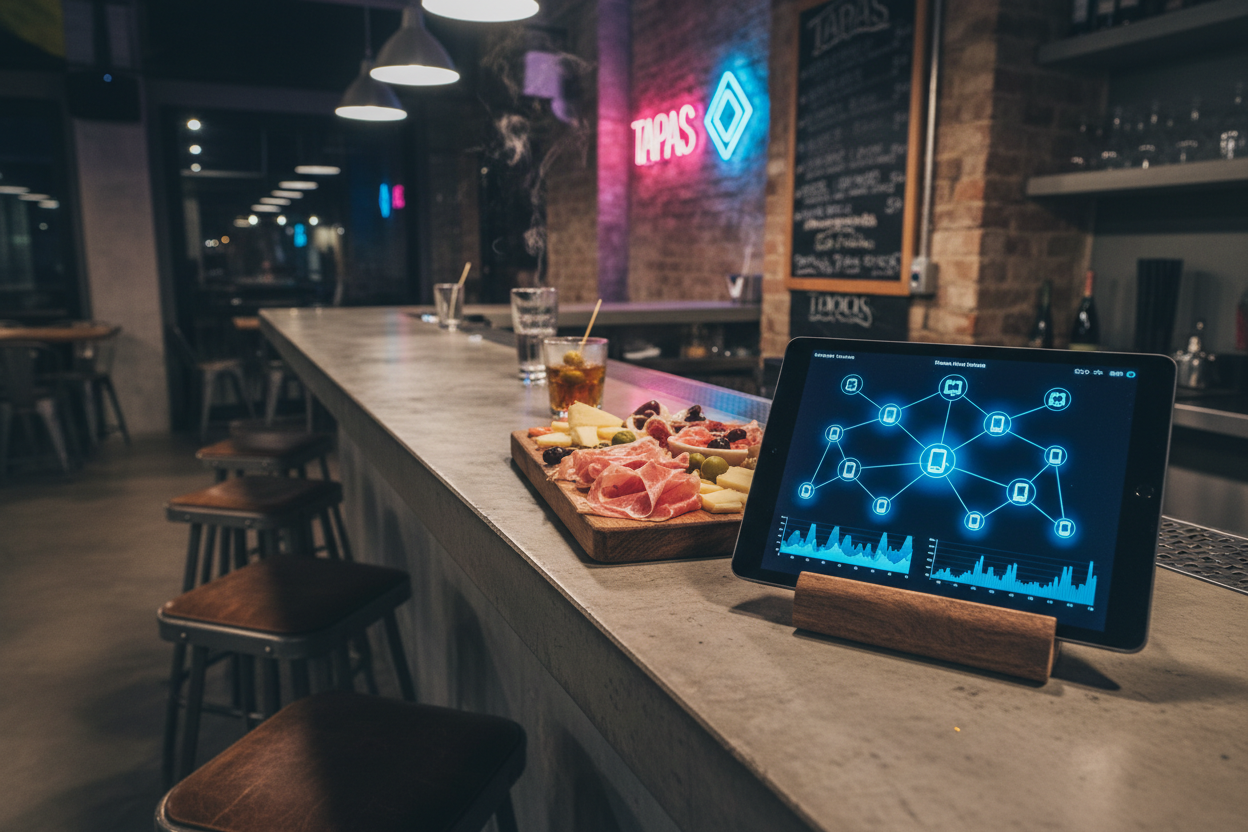
Node life is practical gold. Minimal hardware - think decent internet and a spare rig - yields outsized returns as demand for low-latency routes climbs. I've charted similar setups; quality uptime trumps quantity every time, with peer scores dictating premium payouts. In DePIN telecom Solana, this democratizes infrastructure, turning modems into money printers amid Solana's $79.80 resilience.
Devs get the short end of the envy stick here. dTelecom's SDKs drop into apps like Lego, enabling Solana DePIN voice video AI without engineering nightmares. Voice agents chat with LLMs in real-time; video streams scale sans servers. Costs? Slashed to pennies, freeing budgets for innovation over infra.
Future Waves: Scaling dTelecom in the DePIN Surge
Zoom out, and dTelecom rides Solana's DePIN tidal wave. With 50,000 users logging 35 million minutes, metrics scream product-market fit. Grants from Solana Foundation, Google, and peaq aren't charity; they're bets on a telecom shakeup where nodes outpace clouds. Expect integrations exploding: AI-driven telehealth, decentralized gaming voice, even enterprise video sans Zoom vulnerabilities.
Insight: watch for token unlock dynamics post-airdrop. $DTEL scarcity, tied to real utility, could ignite as usage doubles. Solana at $79.80 weathers storms, positioning dTelecom nodes as hedges in portfolios craving yield. Risks? Network congestion or regulatory side-eyes on DePIN, but Solana's throughput crushes those doubts.
Practical play: diversify into nodes alongside airdrop farming. It's not moonboy gambling; it's engineered exposure to tokenized bandwidth demand. As dTelecom nodes rewards mature, early movers lock in leaderboard spots, compounding through referrals and upgrades.
Market psychology tilts bullish here. Centralized telecom's frailties - outages, data grabs - expose cracks dTelecom exploits ruthlessly. Community nodes aren't optional; they're the moat. With Solana anchoring at $79.80, this DePIN contender scales toward trillion-dollar disruption, rewarding those who plug in now. Ride the nodes, claim the edge, and watch decentralized voices drown out the old guard.



No comments yet. Be the first to share your thoughts!