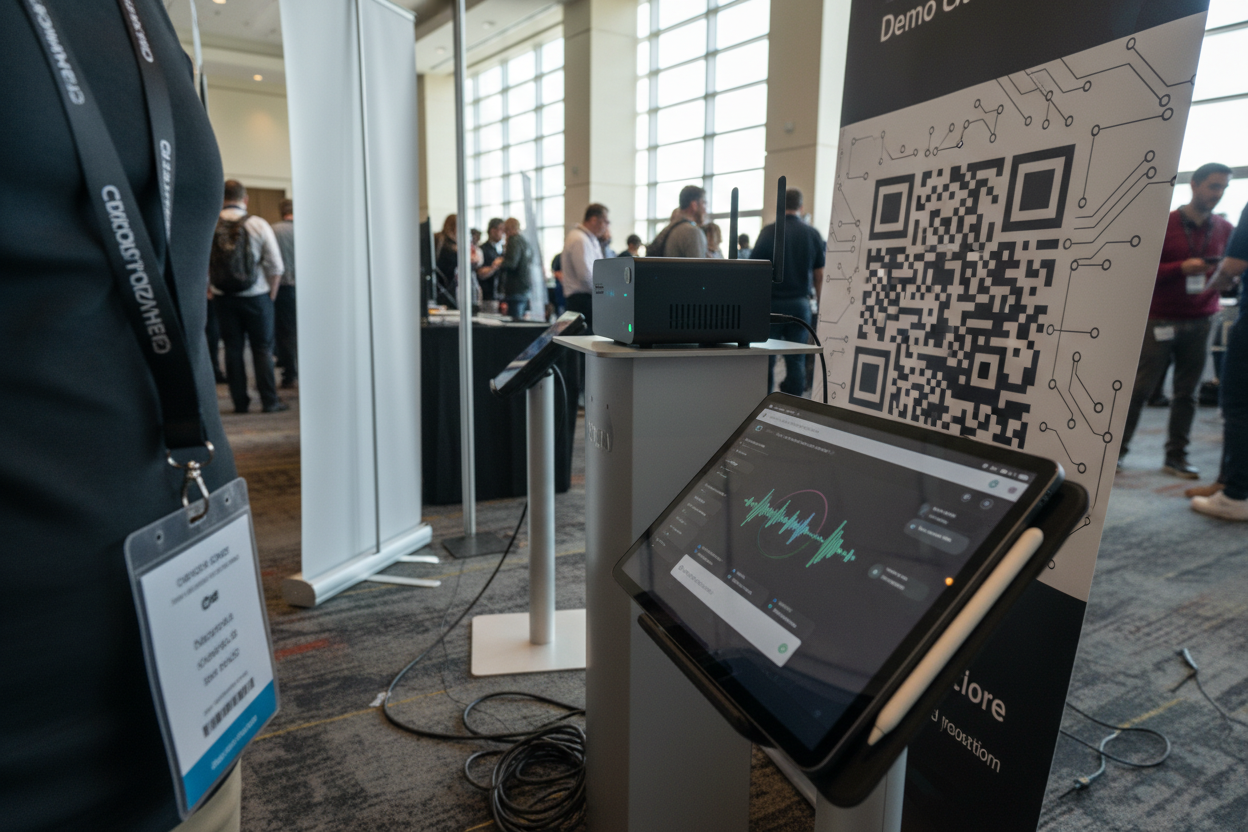
Solana’s DePIN ecosystem surges ahead in 2026, powering real-world infrastructure with tokenized incentives, and dtelecom Solana carves a niche in Solana DePIN telecom. This AI-driven network decentralizes real-time voice, video, and chat, letting node operators monetize idle bandwidth for DTEL token earnings. Backed by heavyweights like the Solana Foundation, Google, ElevenLabs, and peaq, dtelecom has already processed over 35 million minutes for 50,000 and users after raising $1.2 million in pre-seed funding. With SOL steady at $86.72, node running here offers agile entry into the $3.5 trillion telecom rebuild on-chain.

Trade with conviction: dtelecom’s decentralized RTC (dRTC) flips the script on centralized platforms. Users own their data, interact seamlessly with LLMs via voice or video, and node operators earn by contributing compute and bandwidth. Unlike legacy telecom giants, this setup minimizes latency through a global mesh of independent nodes, verified on Solana’s high-throughput chain. Early traction screams potential; that 35 million minutes milestone signals product-market fit in decentralized voice chat Solana.
dtelecom’s Edge in Solana DePIN Projects 2026
While Helium and io. net dominate headlines with millions in revenue, dtelecom targets the underserved RTC layer. Solana’s speed suits DePIN perfectly, handling the micro-transactions needed for per-minute bandwidth rewards. Picture this: your home router or VPS becomes a revenue stream, logging metrics like uptime, throughput, and backhaul for automated $DTEL payouts. The network orchestrates nodes to ensure data integrity, slashing costs versus AWS or Zoom’s centralized stacks.
Decentralized Real-Time Communication Network with AI: Leveraging blockchain technology, dtelecom orchestrates a network of independent node operators, ensuring data integrity, latency minimization, and democratized access.
Opinionated take: In a sector where compute plays like Nosana yield $500 and monthly per deployer, dtelecom’s AI integration positions it for explosive growth. Voice and video demand skyrockets with LLMs; monetizing that at the edge beats holding bags in pure storage DePINs. Current SOL price at $86.72 underscores ecosystem stability, down just 0.0306% amid broader volatility.
Why Run dtelecom Nodes for 2026 Earnings
Node operation boils down to actionable steps with high ROI potential. Anyone with stable internet and a Solana wallet can join, contributing to calls, streams, and AI chats. Rewards accrue via $DTEL, confirmed for airdrops totaling $2.6 million; zero cost entry amplifies upside. Solana DePIN quickstarts emphasize logging accounts and metrics for precise reward calcs, a playbook dtelecom follows tightly.
Flexibility rules: Scale from Raspberry Pi to cloud instances. Metrics track uptime (target 99% and ), bandwidth shared (gigabits per second), and latency (<100ms). Smart contracts settle daily, hedging against SOL's swings at $86.72. Compared to Hivemapper's mapping grind, dtelecom leverages passive residential bandwidth, ideal for diversified portfolios.
dtelecom (DTEL) Price Prediction 2027-2032
Forecast for Solana DePIN project amid 35M+ minutes traction, 50K+ users, $2.6M airdrop, and ecosystem growth
| Year | Minimum Price (USD) | Average Price (USD) | Maximum Price (USD) | Est. YoY Growth % (Avg from Prev) |
|---|---|---|---|---|
| 2027 | $0.05 | $0.20 | $0.60 | +150% |
| 2028 | $0.15 | $0.50 | $1.50 | +150% |
| 2029 | $0.30 | $1.20 | $3.00 | +140% |
| 2030 | $0.80 | $2.50 | $6.00 | +108% |
| 2031 | $1.50 | $4.50 | $10.00 | +80% |
| 2032 | $2.50 | $7.00 | $18.00 | +55% |
Price Prediction Summary
dtelecom (DTEL) is projected to experience significant growth from 2027-2032, leveraging Solana’s DePIN momentum, AI-powered RTC adoption, and node rewards. Average prices could rise from $0.20 in 2027 to $7.00 by 2032 in base scenarios, with bullish highs reaching $18 amid market cycles and telecom disruption, while mins reflect bearish corrections and competition.
Key Factors Affecting dtelecom Price
- Solana DePIN sector expansion with $2.6M+ monthly revenues from leading projects like Helium and io.net
- dtelecom traction: 35M+ minutes processed for 50K+ users
- $2.6M airdrop driving early adoption and node operators
- Backed by Solana Foundation, Google, ElevenLabs, peaq; $1.2M pre-seed raised
- AI-enhanced decentralized voice/video/chat use cases targeting $3.5T telecom market
- Crypto market cycles: post-2026 recovery into 2028-2029 bull phase
- Regulatory developments favoring DePIN infrastructure
- Technological improvements in latency and data monetization
- Competition from established Solana DePINs (Helium, Render, Hivemapper)
- Market cap potential scaling with user growth and rewards exceeding $500/deployer benchmarks
Disclaimer: Cryptocurrency price predictions are speculative and based on current market analysis.
Actual prices may vary significantly due to market volatility, regulatory changes, and other factors.
Always do your own research before making investment decisions.
Setting Up Your dtelecom Node: Technical Blueprint[/h2>
Dive technical: Prerequisites include Solana CLI, Rust toolchain, and 10Mbps and symmetric bandwidth. Clone the repo from dtelecom. org, configure genesis file with your pubkey, and spin up via Docker for isolation. Key flags: –bandwidth-cap 1Gbps, –rtc-port 3478 for STUN/TURN relay.
- Install dependencies: apt-get update and amp; and amp; apt-get install -y build-essential libssl-dev pkg-config
- Generate keypair: solana-keygen new
- Build: cargo build –release
- Run: . /target/release/dtelecom-node –rpc https://api.mainnet-beta.solana.com
Monitor via dashboard; integrate Prometheus for alerts. Initial sync takes 2-4 hours, then you’re earning on validated sessions. Pro tip: Colocate in low-latency regions like AWS Frankfurt for EU traffic premiums. With 50K and users live, session volume ramps rewards fast.
Adapt with flexibility: Testnet first to benchmark hardware. My chartist eye spots patterns; dtelecom’s user growth mirrors early Helium parabolas, primed for 10x in H1 2026.
Node dashboards reveal session counts, $DTEL accrual rates, and peer connections in real-time. At current SOL levels of $86.72, stacking DTEL positions you for DePIN alpha as telecom migrates on-chain.
Maximize dtelecom Solana DePIN Node: 4 Steps to 99.5% Uptime & Tiered Rewards
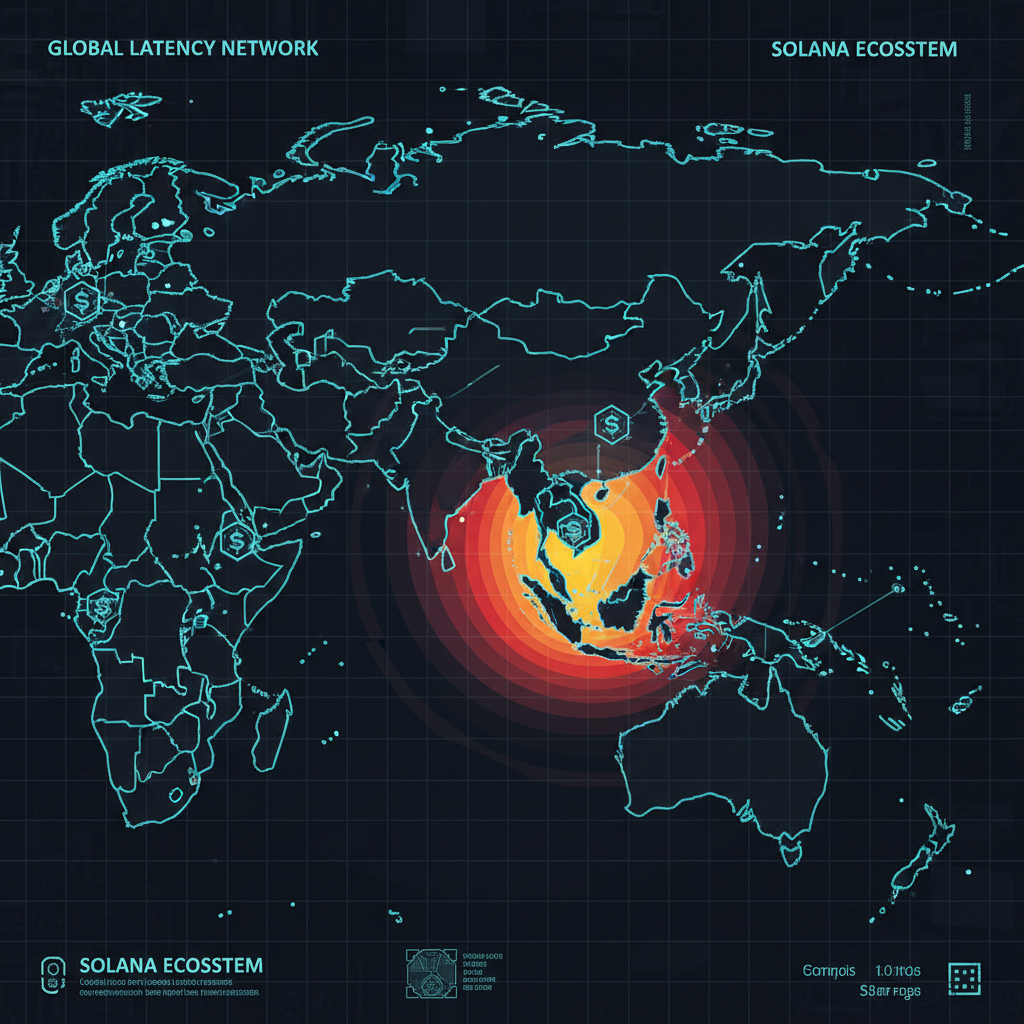
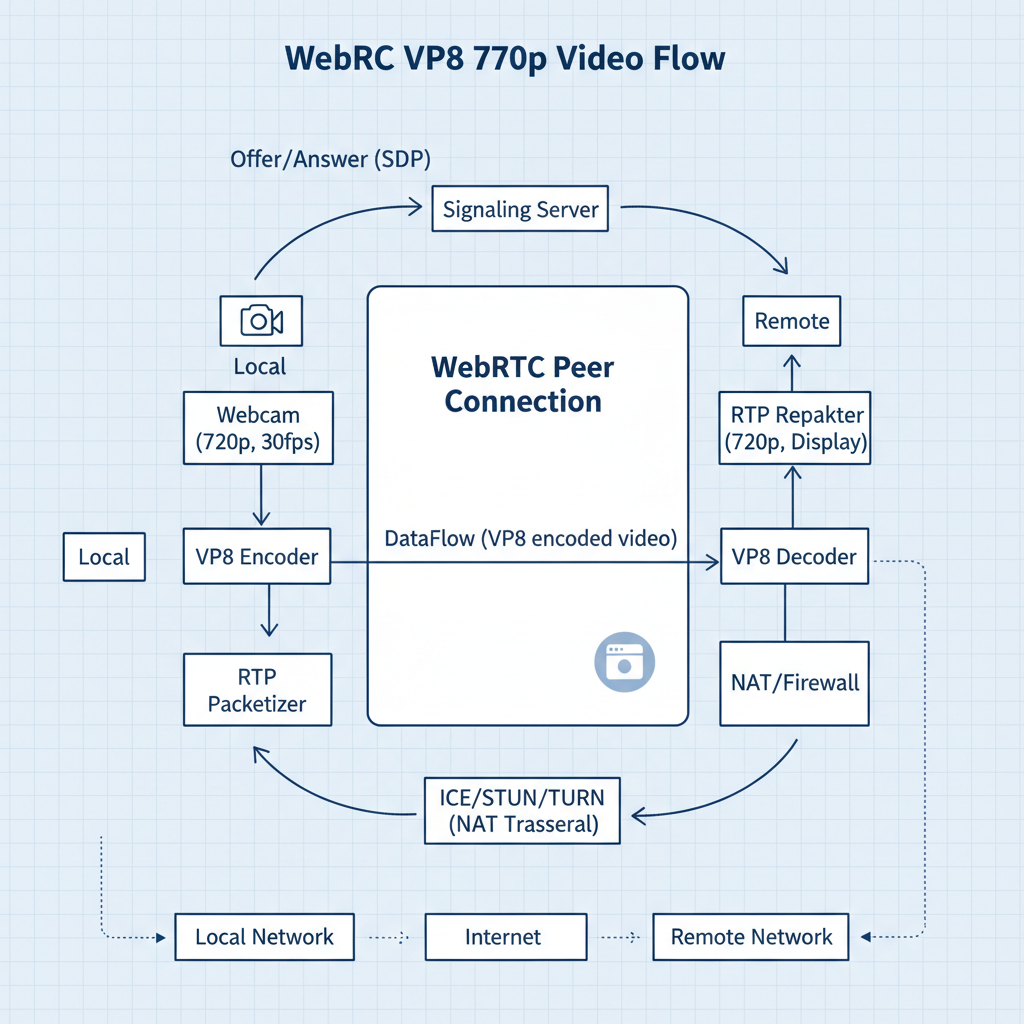
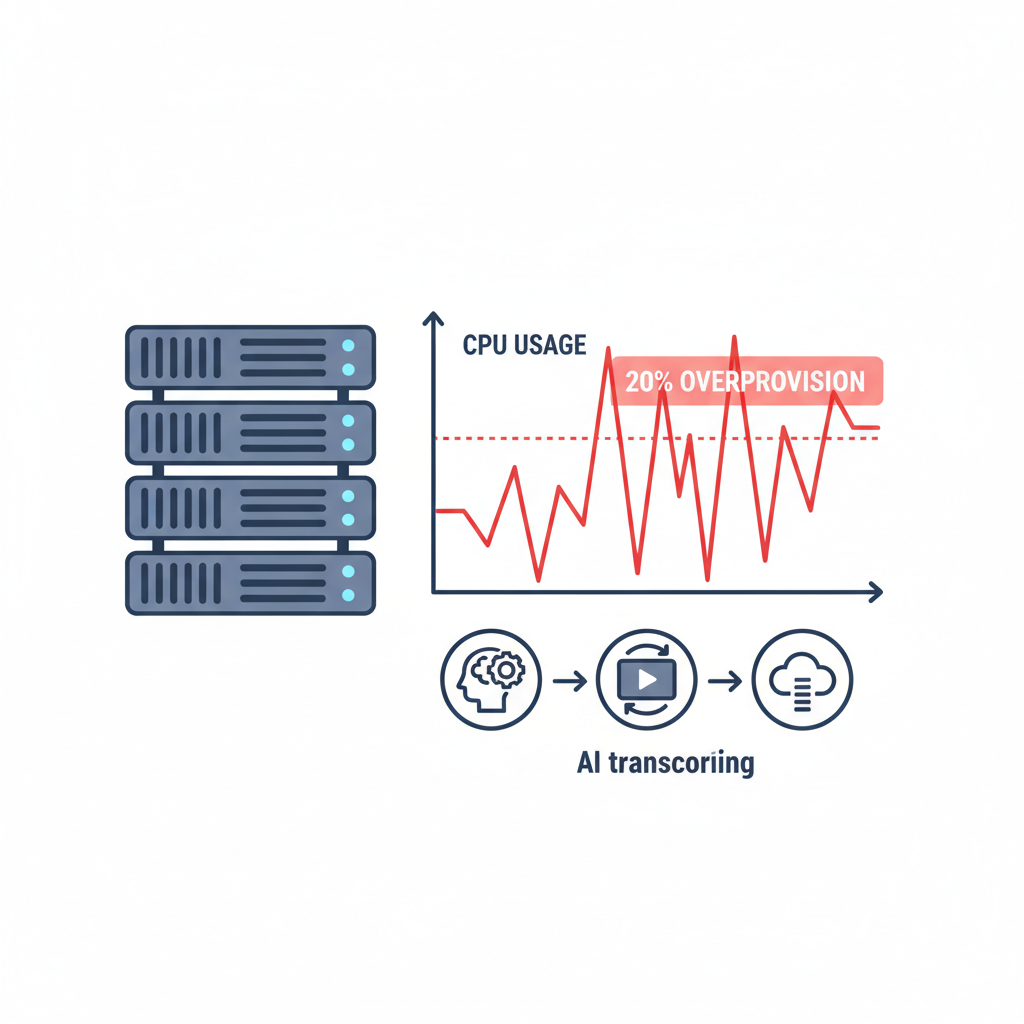
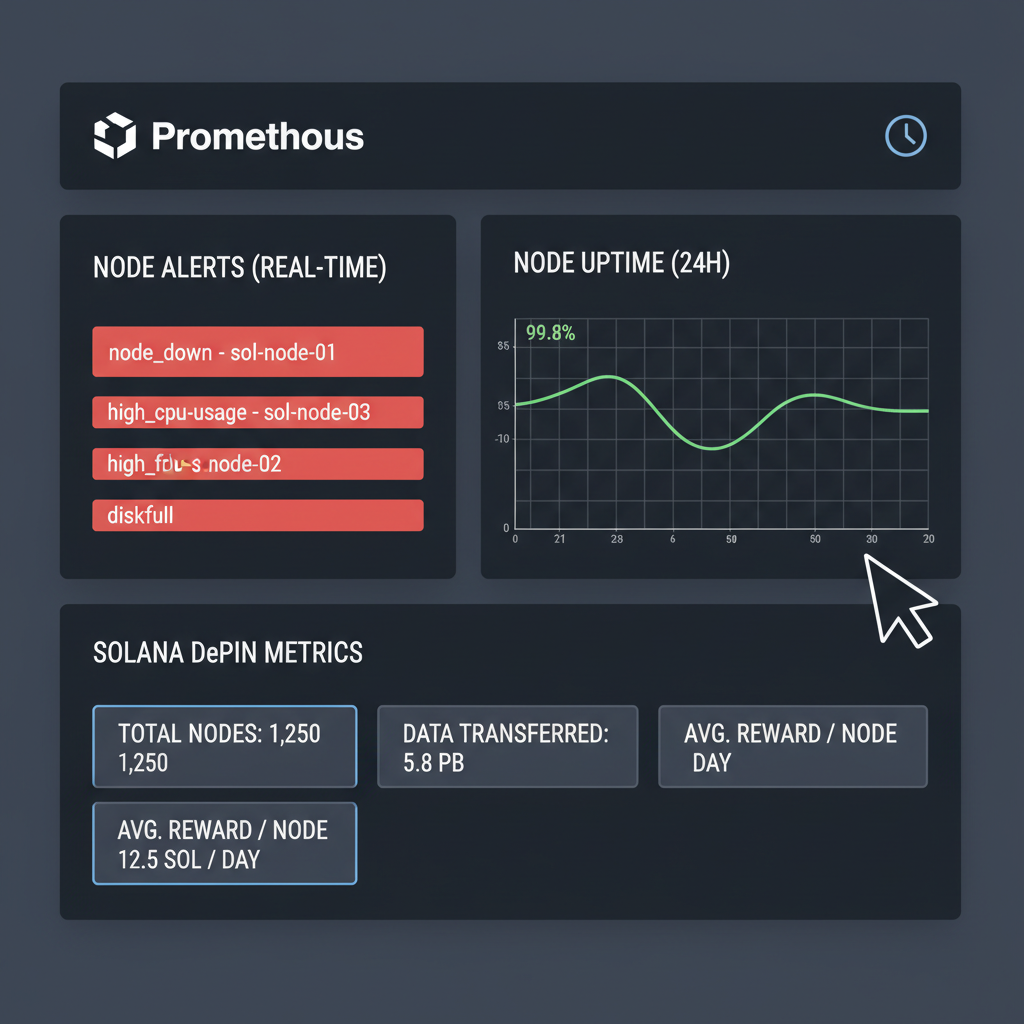
Chart patterns emerge in node metrics too. Sustained 1Gbps shares correlate with 2-3x reward multipliers during peak hours. Adapt setups dynamically: script auto-scaling on AWS spot instances when SOL dips to $84.49 lows, capitalizing on cheaper compute. dtelecom’s dRTC layer scales with Solana’s TPS, positioning nodes for DTEL token earnings in decentralized voice chat Solana.
Risks, Rewards, and Portfolio Fit in 2026
Volatility defines DePIN; SOL’s 24h range from $84.49 to $91.18 mirrors node yield swings. Downtime slashes earnings 50% per hour, so redundant power and failover ISPs are non-negotiable. Regulatory headwinds in telecom could cap growth, but blockchain’s pseudonymity shields operators. Rewards? Early adopters eye $500 monthly like io. net, scaled to RTC demand. With $2.6M airdrop live, free points compound at zero cost.
Portfolio lens: Allocate 10-20% to dtelecom alongside Helium for diversification. Its AI hook taps exploding LLM interactions, outpacing map-or-storage plays. My technical scans flag breakout potential; user minutes doubling quarterly echoes pre-pump Helium charts. At SOL $86.72, entry friction stays low, but conviction demands action now.
The $3.5T telecom industry is being rebuilt on-chain. Backed by Solana Foundation, Google, peaq. Traction: 50K and users, 35M and mins processed.
Scale smart: Start single-node, validate economics, then fleet out. dtelecom nodes deliver passive income in Solana DePIN projects 2026, blending bandwidth monetization with AI upside. Pattern recognition screams momentum; user growth trajectories project 10x network effects by year-end. Trade with conviction on proven traction, adapt with flexibility to metric shifts. Your router idles today; tomorrow, it prints DTEL in the decentralized telecom revolution.
About the Author