

In the high-velocity world of Solana DePIN, where over 26 million transactions and 2 million unique wallets fueled growth by mid-2025, dTelecom Solana DePIN stands out as a game-changer for decentralized telecom on Solana. This network reimagines real-time communication, delivering voice, video, and chat without the chokehold of centralized servers. Developers gain low-latency tools laced with AI smarts, all riding Solana's scalable rails. As institutional eyes like Franklin Templeton spotlight Solana's DePIN prowess in a $26 billion sector, dTelecom positions itself at the nexus of DePIN real-time communication and blockchain innovation.
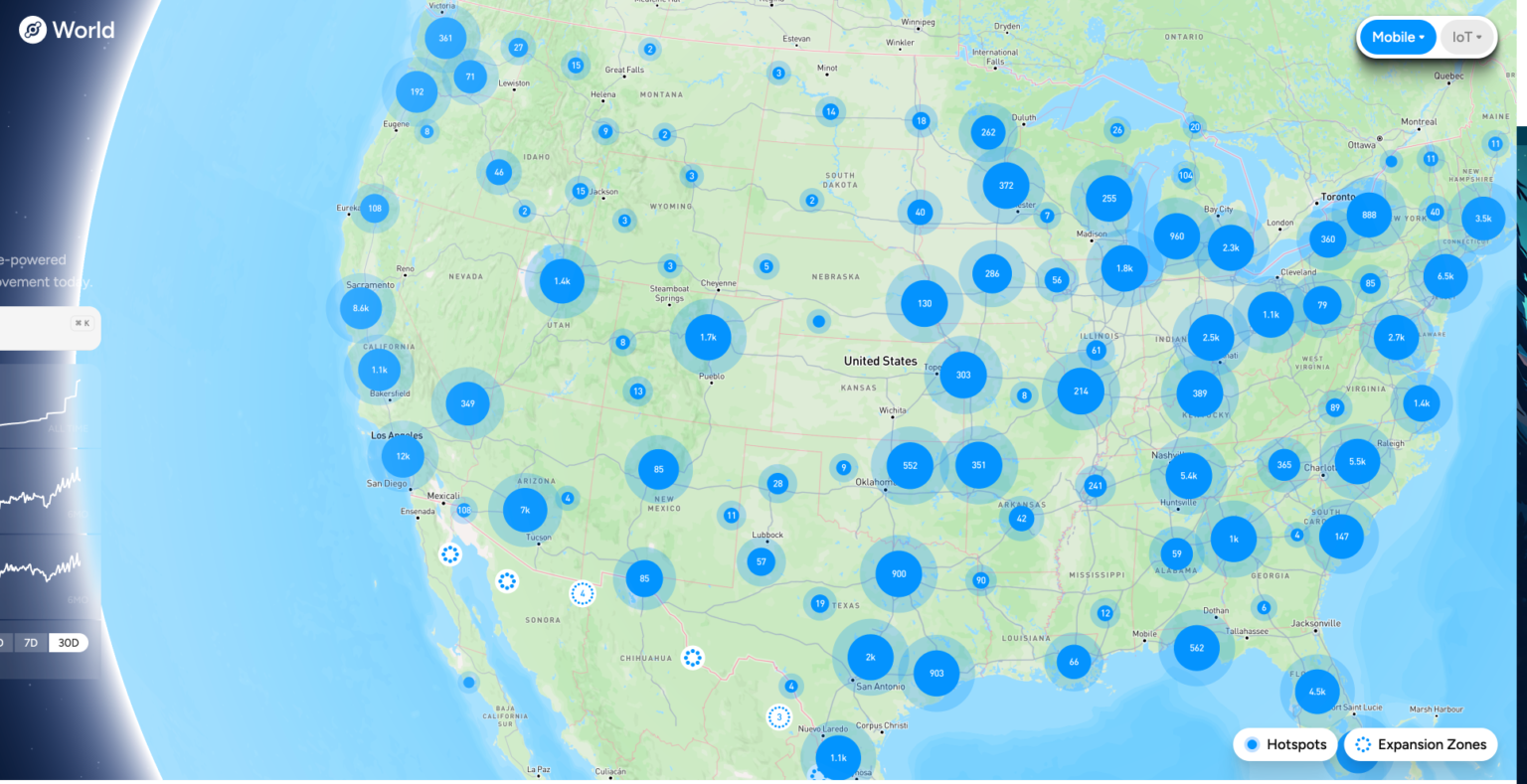
Solana's ascent in DePIN isn't accidental. Reports from Pine Analytics and Syndica underscore network expansion, enterprise uptake, and robust technical foundations. Yash Agarwal's analysis nails why Solana reigns: blistering throughput meets DePIN's hunger for speed. DePINscan lists top Solana infrastructure networks, while KuCoin flags 2025 standouts enhancing security and scalability. Dune metrics reveal Solana leading adoption charges. For projects like dTelecom, this means settling transactions on-chain with minimal friction, sidestepping legacy telecom's vulnerabilities.
Solana's Edge Powers dTelecom's Real-Time Backbone
What sets Solana DePIN telecom apart? Solana processes DePIN workloads at scales Ethereum dreams of, clocking those 26 million transactions without breaking a sweat. Coincub dubs it the execution layer for DePIN, a nod to its parallel processing and sub-second finality. dTelecom taps this for depin real-time communication, slashing latency to imperceptible levels. Centralized giants like Zoom or WebRTC providers hoard data and bow to censorship; dTelecom flips the script, distributing infrastructure via Solana nodes. PANews highlights profitable angles like node ops and airdrops, mirroring dTelecom's incentives.
Key dTelecom Advantages on Solana
- Ultra-low latency AI voice, video, and chat via Solana's high-speed infrastructure

- Censorship-resistant dRTC without centralized servers or intermediaries

- Scalable node rewards with $2.6M Phase 2 Airdrop for operators

- Seamless SDKs for developers to integrate voice/video/chat features
- Solana Foundation-backed with grants from Google and Peaq

dTelecom's AI-Infused Communication Revolution
dTelecom isn't just another voice-over-IP clone; it's a Solana AI voice DePIN pioneer. Built for dRTC, it equips apps with voice, video, and chat minus intermediaries. AI elevates it: think noise cancellation, transcription, and sentiment analysis processed on decentralized edges. Solana Foundation grants, Google backing, and Peaq collaboration validate its trajectory. The MagicBlock partnership amps low-latency via Solana-native tech, perfect for gaming or telehealth. Launching a $2,600,000 Phase 2 Airdrop Campaign, dTelecom draws users into node operation and engagement, echoing profitable DePIN plays.
Strategic Positioning in Solana's DePIN Ecosystem
Strategically, dTelecom embodies long-term bets on decentralized infrastructure. Altcoin Buzz's Dune review spotlights Solana's performant edge driving DePIN adoption. As traditional telecom grapples with outages and surveillance, dTelecom offers resilience. Node operators earn via proofs-of-contribution, aligning incentives like Helium or Render. For investors, it's a watchlist staple amid Franklin Templeton's Solana picks. Developers integrate via SDKs, deploying decentralized telecom Solana features effortlessly. This isn't hype; it's quantifiable momentum in a sector analysts project exploding through 2025.
Node rewards create a flywheel: more contributors mean denser coverage and sharper AI models trained on edge data. This mirrors Solana's DePIN momentum, where projects like those in Syndica's deep dive settle live products on-chain. dTelecom's edge? Real-time AI voice, video, and chat baked in, primed for metaverses, remote work, and beyond.
Developer Tools and Ecosystem Integrations
For builders eyeing dtelecom solana, the SDKs shine. Plug-and-play APIs handle signaling, media streams, and AI enhancements without wrestling WebRTC complexities. Solana's sub-cent fees keep costs negligible, even at scale. Peaq's DePIN synergies extend to modular hardware, while Google's cloud-agnostic support ensures hybrid deployments. MagicBlock's low-latency stack supercharges gaming lobbies or virtual events, all censorship-proof. In a landscape where Pine Analytics charts enterprise adoption, dTelecom equips devs to outpace incumbents reliant on fragile data centers.
Real-world traction builds quietly. Telehealth apps demand secure video sans HIPAA pitfalls; dTelecom delivers via encrypted, decentralized streams. Gaming guilds coordinate in voice chats immune to server downtime. Enterprise teams ditch Slack's silos for AI-transcribed, sentiment-aware channels. As KuCoin's 2025 DePIN roster grows, dTelecom's $2,600,000 Phase 2 Airdrop Campaign accelerates this, rewarding early nodes and users. Profitable? PANews nods to similar ops yielding steady yields, far from meme-token volatility.
Investment Thesis: Betting on dTelecom's Network Effects
View solana depin telecom through a macro lens: DePIN captures physical-digital convergence, with Solana as the throughput king. Franklin Templeton's spotlight on Solana projects underscores a $26 billion sector ripe for alpha. dTelecom's grants signal conviction; airdrop phases bootstrap liquidity. Risks? Network bootstrapping demands patience, but Solana's 2 million DePIN wallets prove virality. Strategically, allocate to protocols fusing AI and infrastructure - dTelecom leads solana ai voice depin. Metrics from DePINscan and Dune affirm Solana's dominance; dTelecom rides the crest.
Participation lowers barriers. Run a node on consumer hardware, contribute bandwidth or compute, earn tokens. Airdrop hunters claim via app usage or referrals, fueling organic growth. Developers fork repos, prototype in hours. This democratizes decentralized telecom solana, echoing Helium's spectrum play but for comms. As Coincub's execution-layer narrative solidifies, dTelecom scales toward ubiquity.
Solana DePIN's trajectory, dissected by Yash Agarwal and Altcoin Buzz, points to exponential curves. dTelecom, with its AI edge and partnerships, isn't chasing trends - it's defining them. In a world of centralized chokepoints, this network promises unassailable communication infrastructure, rewarding foresight with sustainable returns.





No comments yet. Be the first to share your thoughts!