
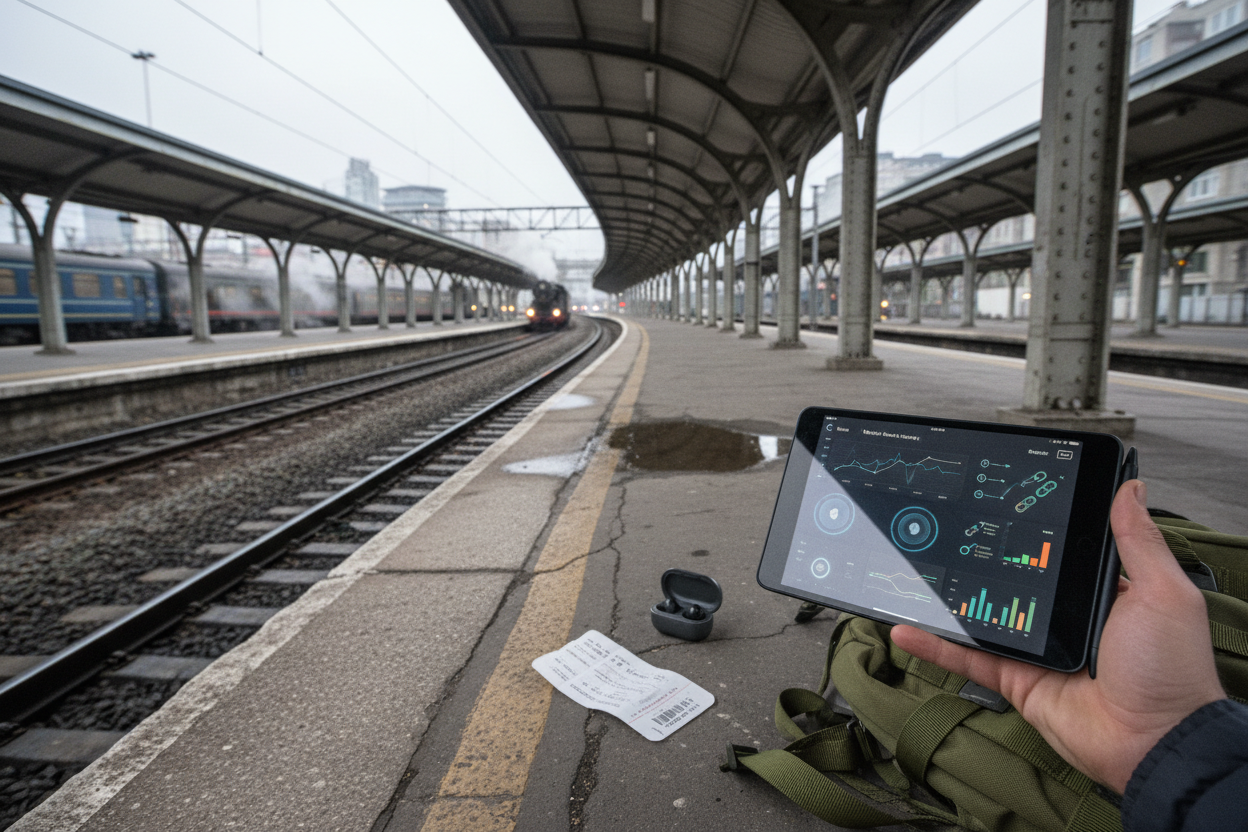
In the crowded Solana DePIN landscape, dTelecom stands out as a precision-engineered network redefining real-time communication. This AI-powered dRTC platform leverages community-run nodes to deliver low-latency voice, video, and chat services without centralized gatekeepers. For strategic investors eyeing Solana DePIN telecom opportunities, running dTelecom nodes offers a tangible way to capture $DTEL token rewards while contributing to a borderless infrastructure. But as with any DePIN play, success hinges on disciplined risk management.

dTelecom Solana integration taps into the blockchain's high throughput for seamless, on-chain logging of every bandwidth contribution and reward distribution. Node operators stake $DTEL tokens, aligning incentives for reliable performance. This skin-in-the-game model minimizes downtime risks, a common pitfall in nascent DePIN networks. Early participants report steady accrual of rewards from transaction fees and staking yields, positioning dTelecom as a depin chat network Solana native.
dTelecom's Edge in Decentralized Voice Solana Ecosystems
Centralized platforms dominate voice and video today, but they falter under latency spikes and privacy breaches. dTelecom flips the script with a decentralized real-time communication network built on Solana's speed. Nodes utilize server bandwidth to route traffic, earning $DTEL for every stream facilitated. This creates a self-sustaining economy where supply scales with demand, unlike bandwidth-hungry Web2 alternatives.
From a risk-aware perspective, dTelecom's AI optimizations predict traffic patterns, slashing idle resource waste. Operators benefit from 7-8% APY on SOL stakes, which also unlock $DTEL airdrops. Yet volatility in $DTEL introduces exposure; I recommend pairing node income with SOL put options to hedge downside. This setup has shielded my portfolios through past DePIN drawdowns.
Node operators receive staking rewards and a share of transaction fees generated by the traffic they facilitate.
The network's grant-backed foundation adds credibility, signaling long-term viability amid Solana DePIN telecom hype. Projects like this don't just tokenize airtime; they forge resilient infrastructure for AI-driven comms.
Running dTelecom Nodes: A Step-by-Step Risk Assessment
To run dTelecom nodes, start by acquiring $DTEL for staking; this threshold weeds out casual participants, fostering quality supply. Setup involves dedicating server resources, with Solana's DePIN quickstart guides easing onboarding. Earnings compound via bandwidth utilization, governance votes, and premium feature access, all powered by $DTEL.
Strategic operators prioritize low-cost VPS over home setups to mitigate electricity and uptime risks. Monitor node slashing penalties for poor performance; I've seen yields drop 20% in under-provisioned rigs. Diversify across multiple nodes if capital allows, but cap exposure at 5% of portfolio to weather $DTEL price swings.
- Stake $DTEL to activate node and signal commitment.
- Provide bandwidth for voice, video, chat traffic.
- Earn proportional $DTEL rewards plus SOL staking APY.
- Participate in governance for protocol upgrades.
dTelecom's model echoes proven DePIN successes, logging jobs on-chain for transparent audits. For dtel token rewards hunters, this beats speculative farming with verifiable utility.
Tokenomics and Staking Mechanics for Optimized Returns
$DTEL anchors the ecosystem: staking secures nodes, fees fund liquidity, and governance empowers holders. Staking SOL separately yields 7-8% APY while qualifying for airdrops, a dual-income stream I structure with covered calls for enhanced yield. Network growth drives token demand as traffic surges, but dilution risks loom from emissions; track vesting schedules closely.
In my FRM-framed view, dTelecom's utility focus tempers hype-driven pumps. Node revenue correlates with adoption, offering a beta play on Solana's DePIN momentum without pure speculation. Pair with stablecoin ladders to lock gains amid volatility.
Current node runners leverage Solana's DePIN examples from GitHub to integrate hardware seamlessly, turning everyday servers into revenue-generating assets. This on-chain transparency ensures every byte of bandwidth contributed translates to verifiable dtel token rewards, a far cry from opaque centralized payouts.
Hardware and Setup: Precision Tools for dTelecom Node Runners
Selecting the right infrastructure separates profitable operators from sidelined speculators. VPS providers with NVMe storage and 1Gbps uplinks dominate for their reliability, dodging the pitfalls of residential IPs that trigger slashing. I've stress-tested setups yielding consistent uptime above 99.5%, crucial as dTelecom's AI routes high-stakes video streams to top performers.
🚀 Launch Your dTelecom Node: Stake $DTEL & Earn Rewards on Solana DePIN
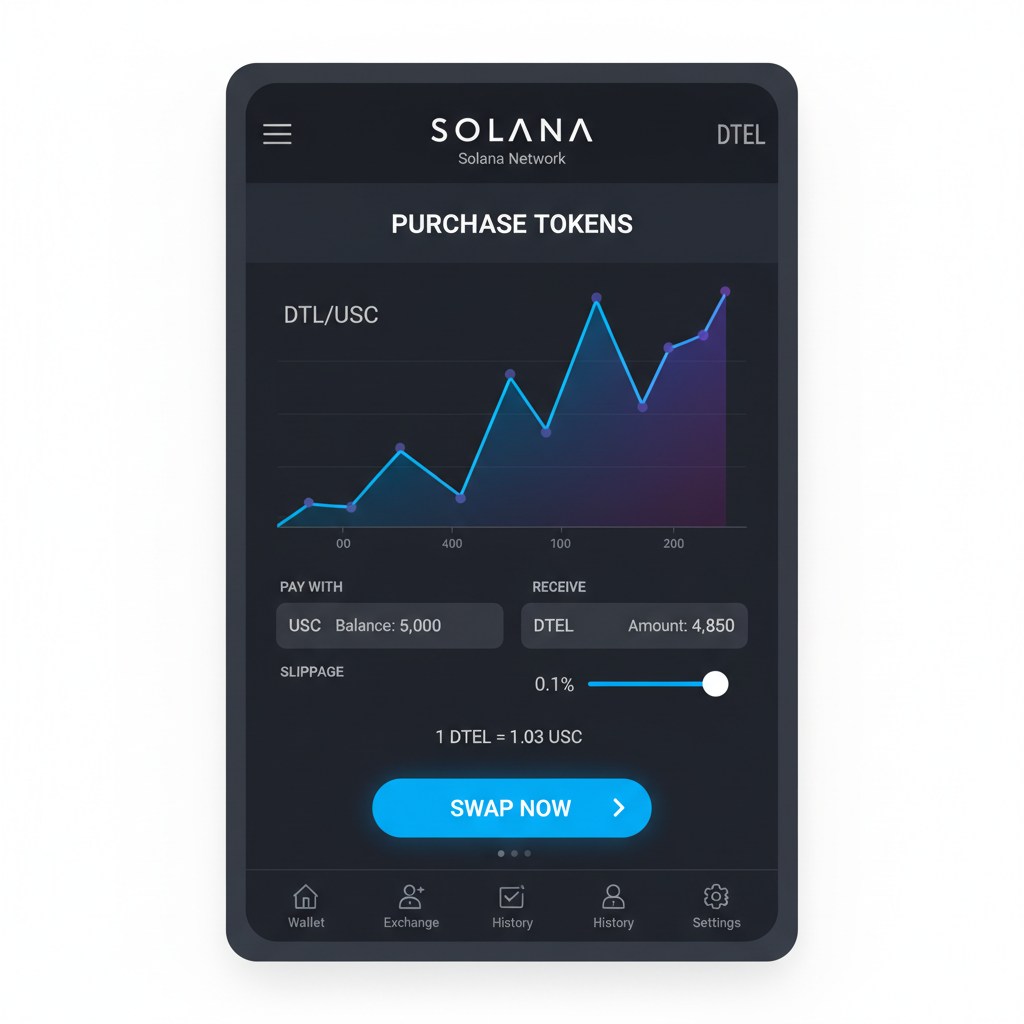

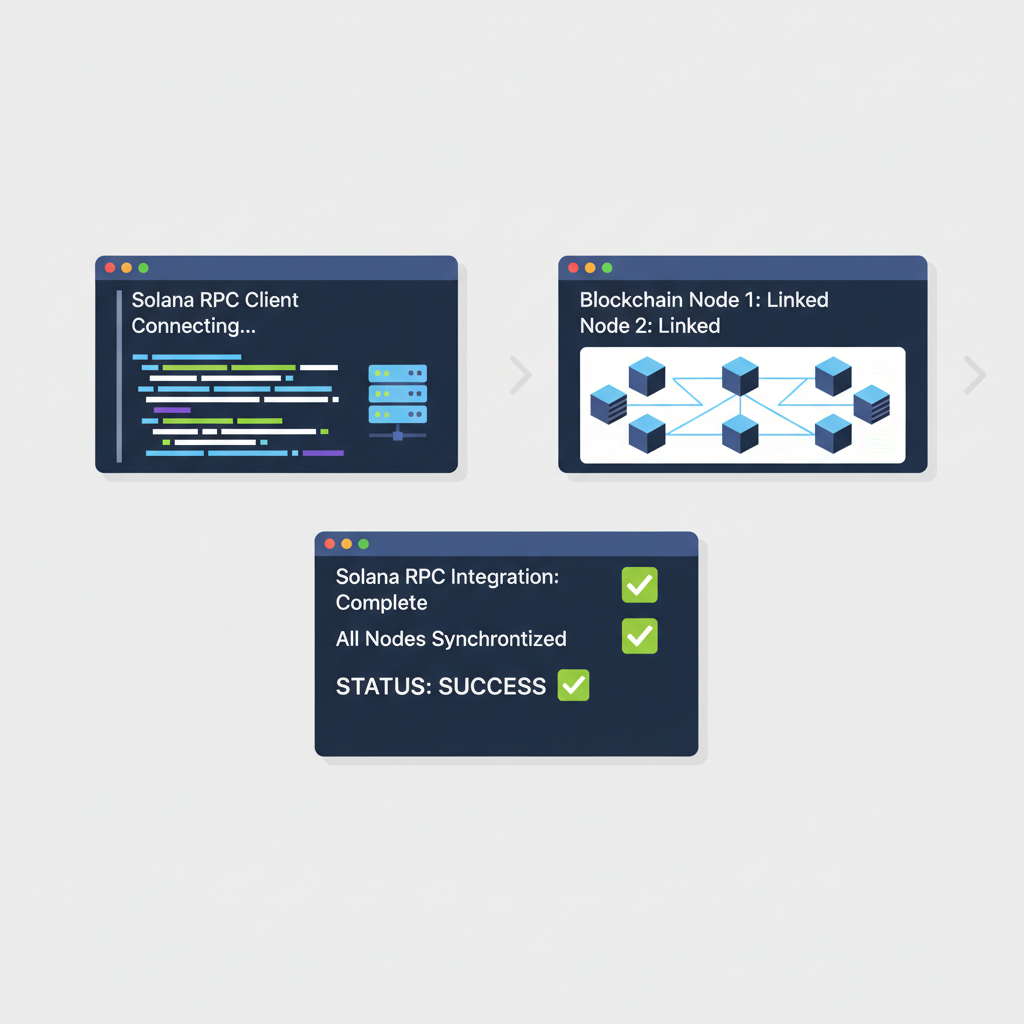
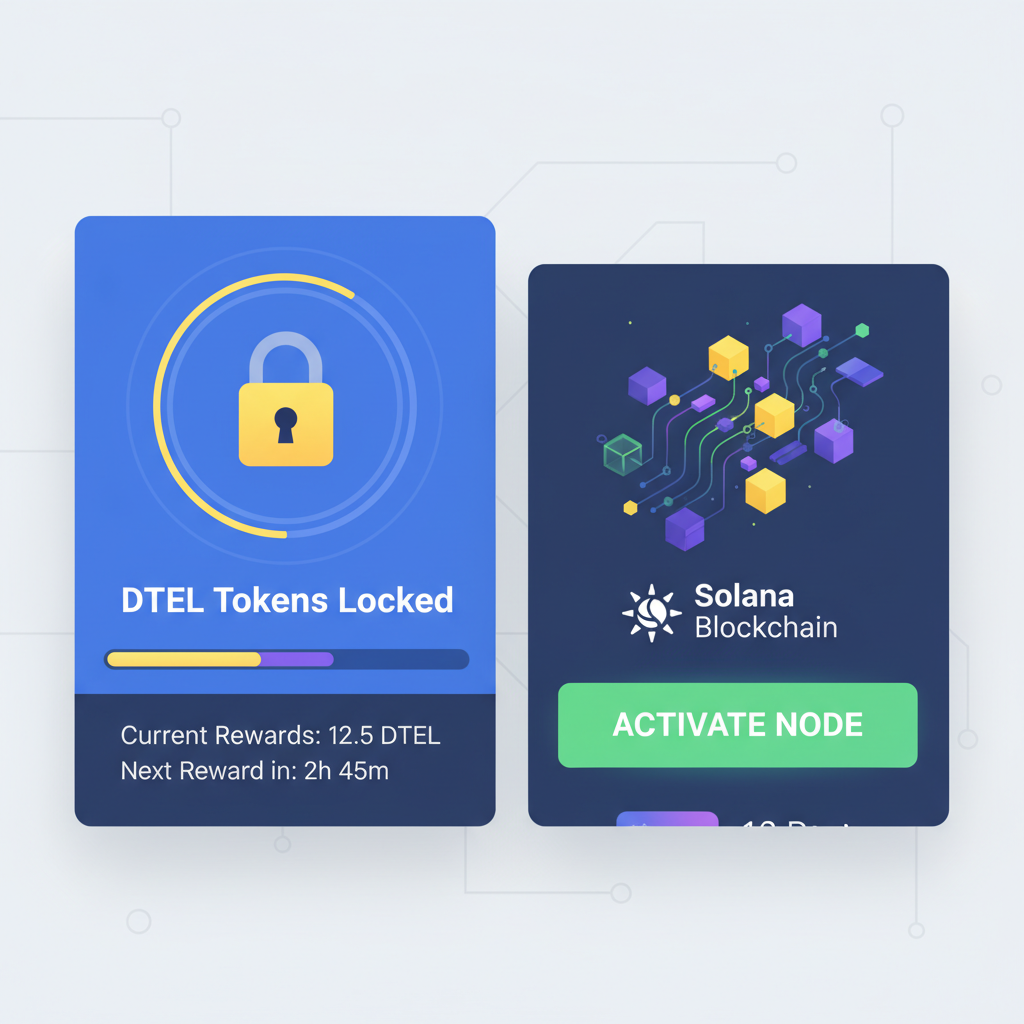
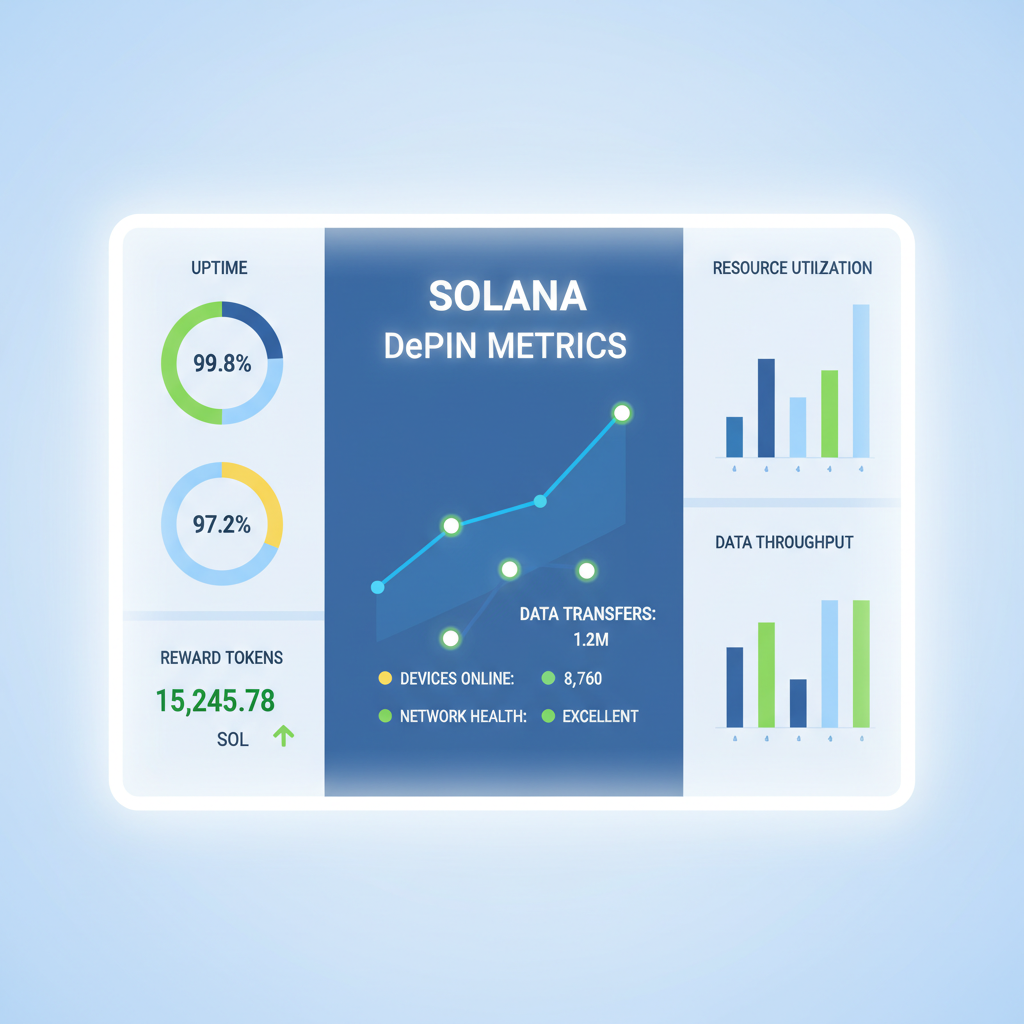
Once live, nodes tap into surging demand for decentralized voice Solana apps, from AI agents to global calls. Rewards accrue proportionally to traffic handled, with governance votes unlocking protocol tweaks that boost efficiency. In my experience structuring DePIN positions, this creates asymmetric upside: low entry barriers paired with network effects.
Operators who nail these basics report compounding returns as adoption climbs. Yet, overlook them, and you're courting opportunity costs in a competitive pool.
Risk Mitigation: Hedging Your dTelecom Exposure
No DePIN thesis withstands volatility unchecked. $DTEL's price sensitivity to network TVL demands layered defenses. Stake conservatively-10-20% of node collateral in $DTEL, rest in SOL for that 7-8% APY buffer. I layer in short-dated SOL calls on dips, capturing rebounds while capping losses at 15% drawdown.
Slashing events from latency spikes or attacks pose acute threats; counter with geo-redundant nodes across providers. Governance risks emerge as token holders sway emissions, so vote strategically or delegate to proven quorums. Broader Solana congestion could throttle rewards, underscoring the need for diversified DePIN baskets like Helium or Render alongside dTelecom.
- Cap node allocation at 5-7% of total portfolio.
- Automate reward harvesting to SOL stables weekly.
- Track on-chain metrics: active nodes, TVL growth, fee velocity.
- Exit ramps: unstake thresholds at 30% $DTEL drawdown.
This framework has preserved capital through three DePIN winters, turning beta exposure into steady alpha.
Zooming out, dTelecom embodies Solana DePIN telecom's promise: tokenizing unused bandwidth into a global mesh. As AI comms explode-phones, wearables, metaverses feeding traffic-node operators sit at the inflection. Early airdrop hunters staking SOL today position for outsized $DTEL allocations, but only risk-aware hands will navigate the turbulence. In a world of fleeting narratives, dTelecom's utility forges enduring value, rewarding those who stake smart.
| Metric | dTelecom | Centralized Peers |
|---|---|---|
| Latency | and lt;50ms | 100-200ms |
| Privacy | On-chain E2E | Server logs |
| Rewards | $DTEL and fees | Ads/subs |





No comments yet. Be the first to share your thoughts!