
What Solana DePIN means for 2026
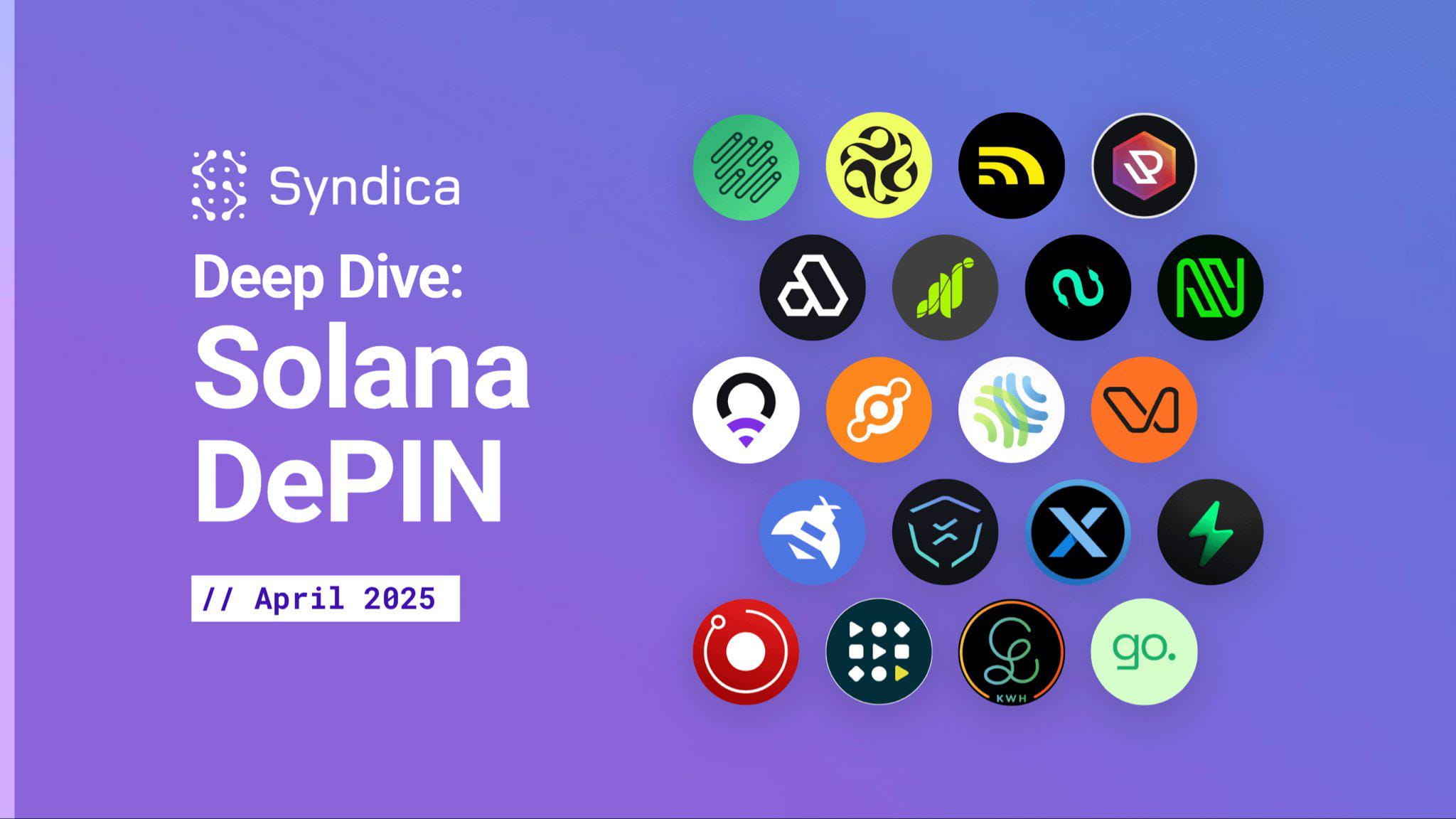
Decentralized Physical Infrastructure Networks (DePIN) allow users to earn rewards by powering real-world infrastructure, such as WiFi hotspots, data storage, or computing resources. In 2026, Solana has become the dominant chain for these projects due to its high throughput and negligible transaction fees. This combination lowers the barrier to entry, enabling everyday users to participate in global infrastructure without the friction of high gas costs.
Since 2022, Solana has captured the bulk of significant DePIN token launches, hosting nine of the last twenty projects with at least a $10 million market cap. This concentration of activity creates a unique landscape for 2026. As more hardware nodes go live on the network, early participants are positioned to benefit from potential airdrops. While these opportunities are not guaranteed, the sheer volume of new projects launching on Solana increases the likelihood of reward distributions for active contributors.
The focus for 2026 is shifting from simple speculation to tangible utility. Projects are incentivizing real-world participation, meaning that setting up a node or sharing bandwidth can yield tangible returns. This trend makes Solana DePIN a practical niche for those looking to engage with crypto infrastructure rather than just trading tokens. Understanding this shift is essential for identifying which projects offer genuine value and potential rewards in the coming year.
Helium: The wireless infrastructure leader
Helium stands as the flagship Decentralized Physical Infrastructure Network (DePIN) project on Solana. It pioneered the model of using cryptocurrency incentives to build real-world wireless coverage, creating a decentralized alternative to traditional carriers. The network operates two distinct layers: an IoT network for low-power devices and a Mobile network providing 5G coverage.
The IoT layer allows users to deploy hotspots that connect sensors, trackers, and other low-bandwidth devices. These devices transmit data over long ranges using LoRaWAN protocols, earning HNT tokens for providing coverage. The Mobile layer, powered by Helium Mobile, uses the same hotspot infrastructure to provide 5G service to smartphones, rewarding users with data rewards for coverage provision.
Helium remains a top candidate for rewards due to its first-mover advantage and established user base. The network has processed billions of uplink events, demonstrating significant real-world utility. For participants, this translates to a mature ecosystem with clear earning potential for hotspot deployment, though rewards fluctuate based on network coverage quality and location density.
Hivemapper: Decentralized mapping data
Hivemapper turns everyday commutes into a high-resolution mapping network. Instead of relying on expensive survey vehicles, the project incentivizes drivers to install a dedicated dashcam. As you drive, the device captures street-level imagery and uploads it to the Solana blockchain, creating a live, decentralized map that competes with traditional providers.
The hardware setup is straightforward. You mount the Hivemapper dashcam on your windshield and connect it to the mobile app. The app tracks your mileage and rewards you with HONEY tokens for every mile driven in supported regions. This model allows users to offset the cost of the device while contributing to a more accurate global map.
For regular drivers, this offers a passive way to engage with Solana’s DePIN ecosystem. By simply driving your normal route, you earn tokens that can be traded or used within the Hivemapper ecosystem. It is a practical entry point for those who want to support real-world infrastructure without complex technical setups.
Render and Akash: GPU computing power
Render and Akash represent the two leading decentralized networks for renting out GPU computing power. Both platforms allow users to monetize idle graphics cards by providing processing power for rendering, AI training, and other compute-intensive tasks on the Solana blockchain.
Render operates as a distributed network for 3D rendering and video processing. It connects artists and studios with GPU providers, handling payments and job distribution through smart contracts. Akash, often called the "decentralized AWS," focuses on general-purpose cloud computing. It uses an open-source marketplace where users bid for compute resources, often offering lower costs than traditional cloud providers due to its competitive pricing model.
To participate, you need a compatible GPU and a wallet that supports Solana tokens. Connect your wallet to the respective platform’s dashboard and list your available compute resources. Ensure your hardware meets the minimum requirements for the specific jobs you wish to accept. Keep in mind that earnings depend on market demand and your hardware’s specifications. Airdrops may be available for early participants, but these are potential opportunities rather than guaranteed returns.
How to prepare your wallet for airdrops
Setting up your wallet is the first practical step in participating in Solana DePIN networks. Most projects require you to hold a specific token or interact with a dApp to qualify for potential rewards. Treat this as a routine setup rather than a financial commitment. You are creating the infrastructure to participate, not buying an asset.
Download a reputable wallet like Phantom or Solflare from their official websites or app stores. Create a new wallet and securely back up your seed phrase offline. Never share this phrase with anyone or store it digitally.

Purchase SOL from a centralized exchange and withdraw it to your wallet address. Ensure you have enough SOL to cover transaction fees (gas) for interactions with DePIN dApps. A small balance of 0.1–0.5 SOL is usually sufficient for testing.
Visit the official website of a DePIN project (e.g., Helium, Hivemapper, or Render). Click "Connect Wallet" and select your installed wallet. Verify the connection matches your wallet address before proceeding.
Complete the required actions, such as staking tokens, providing hardware data, or running a node. Log these interactions, as some projects use on-chain activity to determine airdrop eligibility.
Before engaging with any DePIN project, ensure your wallet is secured and your SOL balance is adequate for transaction fees. Keep records of your interactions with dApps, as these may be relevant for future reward distributions.
Common questions about Solana DePIN
Do I need expensive hardware to participate? Most Solana DePIN projects require minimal entry costs. Unlike proof-of-work cryptocurrencies, many networks rely on low-power devices like Raspberry Pi units or standard Wi-Fi routers. Check the specific project’s hardware list before purchasing, as some advanced nodes may require dedicated servers with high bandwidth.
How are airdrops and token rewards distributed? Rewards are typically calculated based on uptime, data contribution, or hardware performance. Projects usually distribute tokens via smart contracts directly to your connected Solana wallet. Ensure your wallet is active and linked to the project’s dashboard to track your earnings accurately.
Is Solana DePIN profitable in 2026? Profitability depends on local demand for infrastructure services and token market prices. While some projects offer steady passive income, others are speculative. Treat potential airdrops as opportunities, not guaranteed returns. Always verify the project’s tokenomics and vesting schedules before investing time or capital.

No comments yet. Be the first to share your thoughts!