
Get Solana DePIN Right
Before deploying hardware or committing capital, you need to understand the technical and economic prerequisites that make Solana suitable for decentralized physical infrastructure. Solana’s high throughput and low transaction costs are not just marketing points; they are operational necessities for DePIN networks that require frequent, small-value interactions between devices and the blockchain.
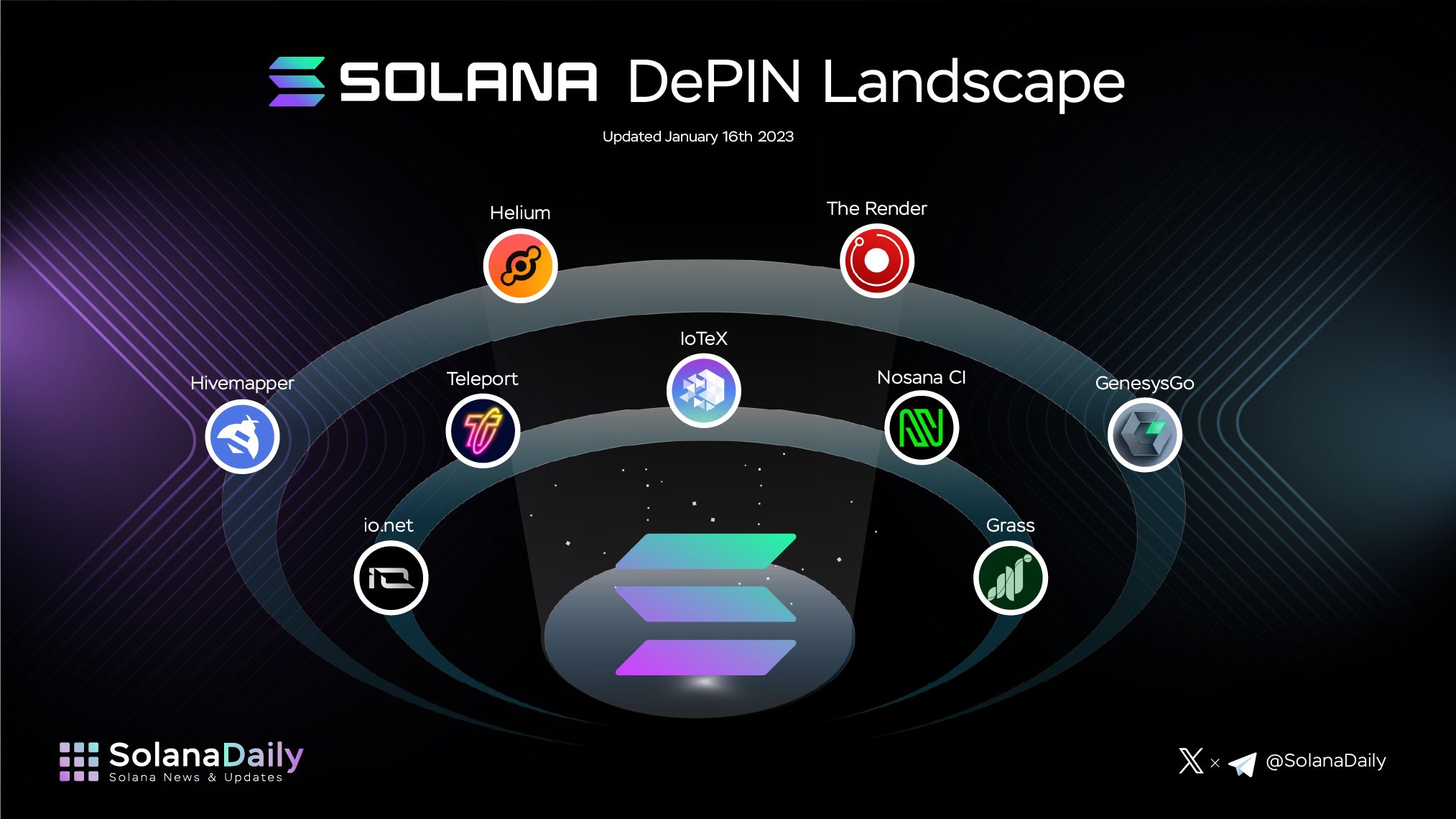
First, ensure your hardware can handle the network’s speed. Many DePIN projects on Solana, such as Helium or Render, rely on devices that send data or compute power in real-time. If your node hardware cannot sustain the required transaction rate, you will miss rewards or fail to sync with the network. Check the official documentation for each project to see if there are specific CPU, RAM, or bandwidth requirements.
Second, verify the tokenomics. DePIN rewards are often paid in project-specific tokens, not SOL. You need to understand the emission schedule, the vesting period for rewards, and the potential for token dilution. A high reward rate might look attractive, but if the token price crashes due to heavy selling pressure from early investors, your earnings could be negligible.
Finally, consider the operational costs. Running a node is not passive income. You need to account for electricity, internet connectivity, and hardware maintenance. Solana’s low fees help, but they do not eliminate the physical costs of infrastructure. Calculate your break-even point carefully before investing in equipment.
Work through the steps
Solana's Ecosystem Surge works best as a clear sequence: define the constraint, compare the realistic options, test the tradeoff, and choose the path with the fewest hidden costs. That order keeps the advice usable instead of decorative. After each step, pause long enough to check whether the recommendation still fits the reader's actual situation. If it depends on perfect timing, unusual access, or a best-case budget, include a simpler fallback.
Fix Common Mistakes
DePIN projects on Solana move fast, but speed creates traps. Many teams launch nodes without checking hardware compatibility or network stability. This leads to missed rewards, slashed stakes, or wasted electricity. Others ignore the difference between passive hardware and active computation, confusing simple storage rewards with high-compute AI agent tasks.
The most frequent error is underestimating bandwidth requirements. DePIN relies on continuous data exchange. A single dropped connection can halt reward accumulation for hours. Always test upload stability before committing capital.
Another pitfall is ignoring tokenomics. Some projects promise high APY but dilute supply rapidly. Check the vesting schedule for team tokens and the emission rate for rewards. If the reward token drops faster than your node earns it, you are losing money in real terms.
Finally, avoid "zombie nodes." These are devices that appear online but fail to respond to verification pings. Solana’s proof-of-history mechanism requires precise timing. Even a 500ms delay can cause a node to miss its turn. Regular maintenance and monitoring are not optional; they are the difference between profit and loss.
Solana depin: what to check next
What are the best DePIN projects on Solana?
The ecosystem highlights Helium for IoT connectivity and Hivemapper for decentralized mapping. Render Network provides GPU compute power, while Io.net focuses on high-performance AI training clusters. These projects represent the most active infrastructure layers currently building on Solana.
Does DePIN have a future?
Yes, but it is evolving. The sector is shifting from hardware-centric models to AI agent coordination. Solana’s high throughput allows for the micro-transactions required by AI agents, making it a primary candidate for the next phase of decentralized infrastructure growth.
What are the largest DePIN projects?
Helium remains the largest by total value locked and network coverage. Render Network follows closely in compute power. Hivemapper and Io.net are rapidly expanding their node counts and market capitalization, driven by the surge in AI and data processing demands.
Is DePIN a good investment?
DePIN offers high growth potential but carries significant volatility. Token prices often lag behind network utility adoption. Investors should evaluate the specific revenue model of each project rather than treating DePIN as a monolithic asset class.

No comments yet. Be the first to share your thoughts!