
Decentralized Physical Infrastructure Networks (DePIN) are reshaping how the world connects, computes, and maps the physical environment. In 2024, Solana DePIN projects are leading this transformation by leveraging Solana’s high-speed, low-cost blockchain to power real-world infrastructure at scale. With Solana’s price recently hitting $228.17, the network’s robust performance is fueling a surge in innovative DePIN solutions that bridge the gap between crypto and tangible services.
Why Solana? The Technical Edge for DePIN
Solana has rapidly become the go-to blockchain for DePIN thanks to its unique combination of high throughput, minimal transaction fees, and a thriving developer ecosystem. Unlike slower legacy chains, Solana can process thousands of transactions per second without bottlenecks or prohibitive costs. This scalability is crucial for physical infrastructure projects that require real-time data processing and global user participation.
The result? Major DePIN projects have migrated to Solana to unlock new levels of efficiency and adoption. According to Messari, as of 2024 there are over 78 DePIN initiatives on Solana - more than any other network - with Helium Network, Hivemapper, and Render Network standing out as category leaders.
The Three Pillars: Key Solana DePIN Projects in 2024
Top 3 Solana-Powered DePIN Projects in 2024
- Helium Network:Helium is a decentralized wireless network that migrated to Solana in early 2023 to boost scalability and reward efficiency. By 2024, Helium expanded from IoT to mobile infrastructure, partnering with major telecoms like Telefónica’s Movistar to deliver decentralized wireless coverage to over 2 million users in Mexico. In June 2025, Helium celebrated 1 million daily users and nearly 100,000 hotspots, driven by its innovative “Zero Plan”—the first free 3GB 5G plan in the U.S.

- Hivemapper:Hivemapper is a decentralized mapping platform that rewards drivers for collecting street-level imagery with dashcams. In May 2025, Hivemapper secured a landmark deal with Lyft, making it the first Fortune 500 company to use Solana-powered mapping data. By mid-2025, Hivemapper boasted 6,000 monthly active contributors and had mapped 139 million kilometers, providing real-time, community-driven geographic data.

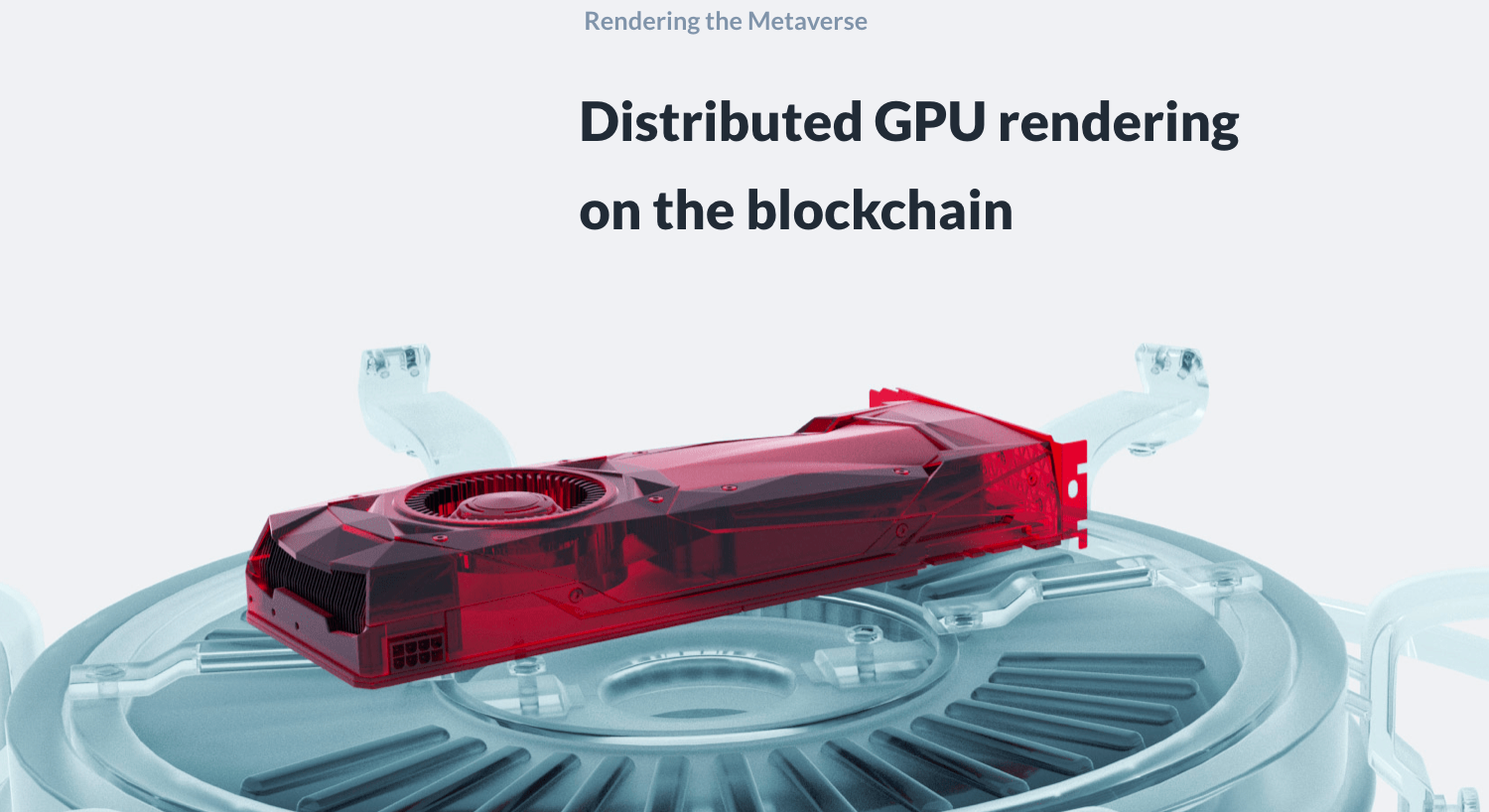
- Render Network:Render Network decentralizes GPU rendering by connecting users needing rendering power with those who have spare GPU capacity. In 2024, Render migrated from Ethereum to Solana to take advantage of faster transactions and lower fees. The network integrates with tools like Blender and Arnold, offering affordable, scalable rendering solutions for industries such as animation, gaming, and AI.
Let’s dive into how these three flagship projects are using Solana’s infrastructure to deliver decentralized wireless connectivity, mapping services, and distributed GPU computing:
Helium Network: Decentralized Wireless Connectivity
Helium Network, once an IoT-focused project on its own chain, made headlines with its migration to Solana in early 2023. This move supercharged Helium’s ability to scale reward distribution while slashing operational costs. By mid-2025, Helium reached 1 million daily users, nearly 100,000 hotspots, and rolled out its disruptive “Zero Plan” - offering the first free 3GB 5G mobile service in the U. S. The network now partners with major telecoms like Telefónica’s Movistar to deliver decentralized coverage to over two million people in Mexico alone.
This growth demonstrates how Solana-powered DePIN networks can compete directly with traditional telecom giants by rewarding users for providing wireless coverage while lowering prices for end consumers.
Hivemapper: Community-Driven Mapping on Blockchain
Hivemapper is revolutionizing digital cartography by incentivizing drivers worldwide to collect street-level imagery through dashcams. In May 2025, Hivemapper inked a landmark deal with Lyft - making it the first Fortune 500 company to use real-time mapping data secured by Solana. With around 6,000 monthly active contributors mapping an astonishing 139 million kilometers in just six months of 2025, Hivemapper is building a living map that outpaces centralized competitors both in freshness and coverage.
This model not only rewards contributors but also ensures that map data stays open and censorship-resistant - all thanks to Solana’s scalable infrastructure.
Render Network: Distributed GPU Power for All
Render Network, another major player that migrated from Ethereum in 2024, harnesses idle GPU resources worldwide for rendering tasks used in animation, gaming, AI research and more. By integrating directly with industry-standard tools like Blender and Arnold - while leveraging Solana’s low fees - Render delivers cost-effective compute power at a global scale.
The shift to Solana wasn’t just about speed; it enabled Render to serve both hobbyists and enterprise clients efficiently while keeping transaction costs predictable even as demand soared. This democratization of compute resources is vital for industries facing ever-increasing AI workloads.
Solana’s role in powering these DePIN projects is more than just technical; it’s transformative for the industries they touch. Each network leverages Solana’s architecture to not only reduce operational friction but also to foster new economic models that reward everyday participants. This has real implications for user adoption and long-term sustainability.
Real-World Impacts: How Solana DePIN Changes the Game
The combined momentum of Helium Network, Hivemapper, and Render Network is already rippling through traditional infrastructure sectors. Here’s how:
- Wireless Access Gets Democratized: Helium’s expansion, powered by Solana, means users in Mexico, the U. S. , and beyond can access affordable or even free mobile data. The network effect grows stronger as more people deploy hotspots, creating a positive feedback loop that centralized telecoms can’t easily replicate.
- Maps Become Living, Open Data: Hivemapper’s decentralized approach ensures maps are updated in near real-time and remain accessible to all. This is a stark contrast to closed-source mapping monopolies, empowering both businesses and developers with fresher data.
- Compute Power Without Borders: Render Network unlocks global GPU liquidity for creative professionals and AI researchers alike. By cutting out middlemen and leveraging idle hardware, Render slashes costs while giving contributors a new revenue stream, all tracked transparently on-chain.
This isn’t just theory: December 2024 saw Helium, Hivemapper, and Render collectively surpass $1 billion in monthly revenue for the first time (source: SolanaFloor), highlighting the commercial viability of Solana-powered DePIN solutions. As the ecosystem matures, expect competition with legacy providers to intensify, and for users to benefit from better services at lower prices.
What’s Next for Solana DePIN?
The pace of innovation shows no signs of slowing down. With over 78 active DePIN projects on Solana as of 2024 (per Messari), developers are exploring new frontiers, from decentralized energy grids to global sensor networks, all built atop the same scalable backbone that enabled Helium, Hivemapper, and Render to thrive.
The current SOL price of $228.17 underscores growing confidence in the network as both a technological and financial foundation for next-generation infrastructure. As more Fortune 500 companies tap into these decentralized systems, and as regulators begin to acknowledge their societal value, expect mainstream adoption curves to steepen rapidly.
If you’re looking to dive deeper into how these networks work under the hood or want examples of other real-world use cases transforming infrastructure on Solana, check out our dedicated coverage at Solana-Powered DePIN Projects: Real-World Examples Transforming Infrastructure.
Which Solana DePIN project do you find most impactful in 2024?
Solana powers a new wave of Decentralized Physical Infrastructure Networks (DePIN), transforming wireless connectivity, mapping, and GPU computing. Which of these leading projects stands out to you for its real-world impact?





No comments yet. Be the first to share your thoughts!