
What Solana 2026 Actually Looks Like
Solana is shifting from a high-throughput chain to institutional infrastructure. The 2026 technical roadmap prioritizes predictable finality, execution integrity, and redundancy over headline transaction speeds. This transition aims to make the network reliable enough for traditional finance, moving beyond its reputation as a speculative playground.
Price expectations reflect this structural shift. Analyst estimates for Solana’s 2026 value range from $75.84 to $1,000, with a mean near $445. Standard Chartered recently cut its 2026 target to $250, citing near-term headwinds, while maintaining a longer-term bullish outlook. These divergent views highlight the tension between network maturation and market volatility.
| Metric | 2026 Projection |
|---|---|
| Price Range | $75.84 – $1,000 |
| Institutional Focus | Predictable finality & redundancy |
| Key Analyst View | Standard Chartered: $250 target |
The network’s 150,000 TPS capability remains a technical foundation, but the real value in 2026 lies in stability. Mobile-first DeFi initiatives are expanding access, yet the primary driver for adoption is the hardening of the underlying protocol. Investors should watch for signs of institutional integration rather than just transaction volume spikes.
Solana 2026 choices that change the plan
Solana’s 2026 strategy shifts from pure speed to institutional reliability. The network is hardening its infrastructure to prioritize predictable finality and execution integrity over headline throughput numbers. This pivot introduces specific tradeoffs that define its suitability for different Web3 use cases.
To evaluate where Solana fits in your portfolio or development stack, compare its performance characteristics against the broader market.
The speed advantage is clear, but it comes with complexity. Solana’s high throughput requires robust node infrastructure, which can lead to occasional network congestion during peak demand. In contrast, Ethereum Layer 2s offer slower but more predictable transaction times with higher security guarantees. For high-frequency trading or consumer apps, Solana’s speed is unmatched. For long-term value storage or complex DeFi protocols, Ethereum’s security remains the gold standard.
Technical analysis suggests Solana’s price trajectory will hinge on its ability to maintain uptime while scaling. A hold above the 200-day moving average is critical for bullish sentiment, with targets around $67.50. However, institutional interest is pushing long-term predictions higher, with some analysts forecasting a mean price near $445 by 2026.
Choosing between these networks depends on your priority. If you need mobile-first DeFi with near-zero fees, Solana is the clear winner. If you prioritize decentralization and security above all else, Ethereum remains the safer bet. The 2026 roadmap aims to bridge this gap, but the fundamental tradeoffs between speed and security remain.
How to choose the right Solana strategy for 2026
The network’s 2026 roadmap signals a shift from raw speed to institutional-grade reliability. Rather than chasing headline TPS, the focus is on predictable finality, execution integrity, and redundancy. This change affects how you should position your assets and interact with the ecosystem.
Use this framework to decide whether Solana fits your portfolio or workflow based on your specific risk tolerance and goals.
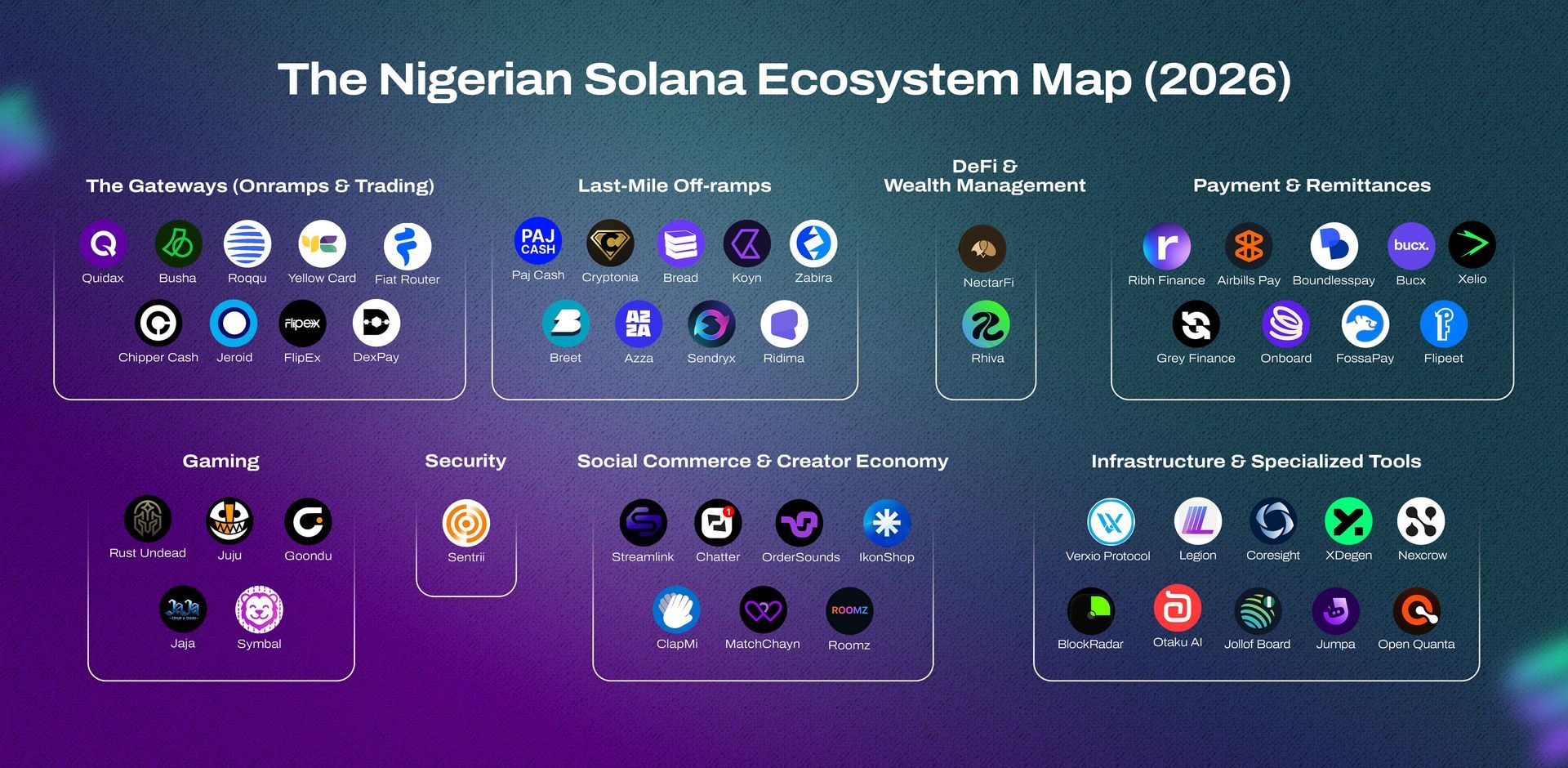
Price forecasts for 2026 range widely, from $75.84 to $2,000, with a consensus mean near $445. If you are conservative, the $250 target from Standard Chartered offers a grounded baseline. Aggressive investors may look toward the higher end of analyst predictions, but volatility remains a constant factor.
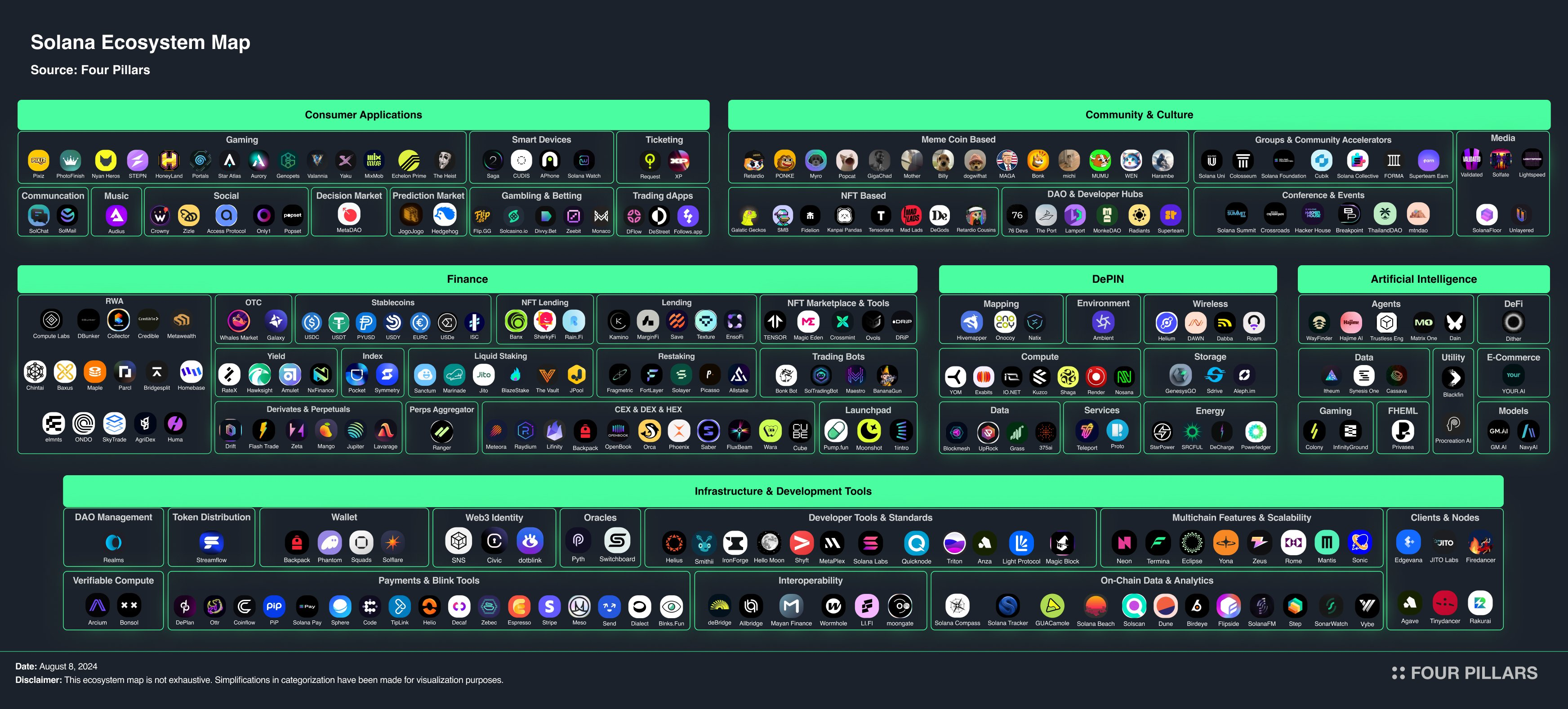
Solana is becoming infrastructure, not just a high-throughput chain. If you need low-latency transactions for DeFi or gaming, the current architecture works. If you require absolute redundancy for enterprise applications, wait for the 2026 hardening updates to finalize before committing significant capital or development resources.
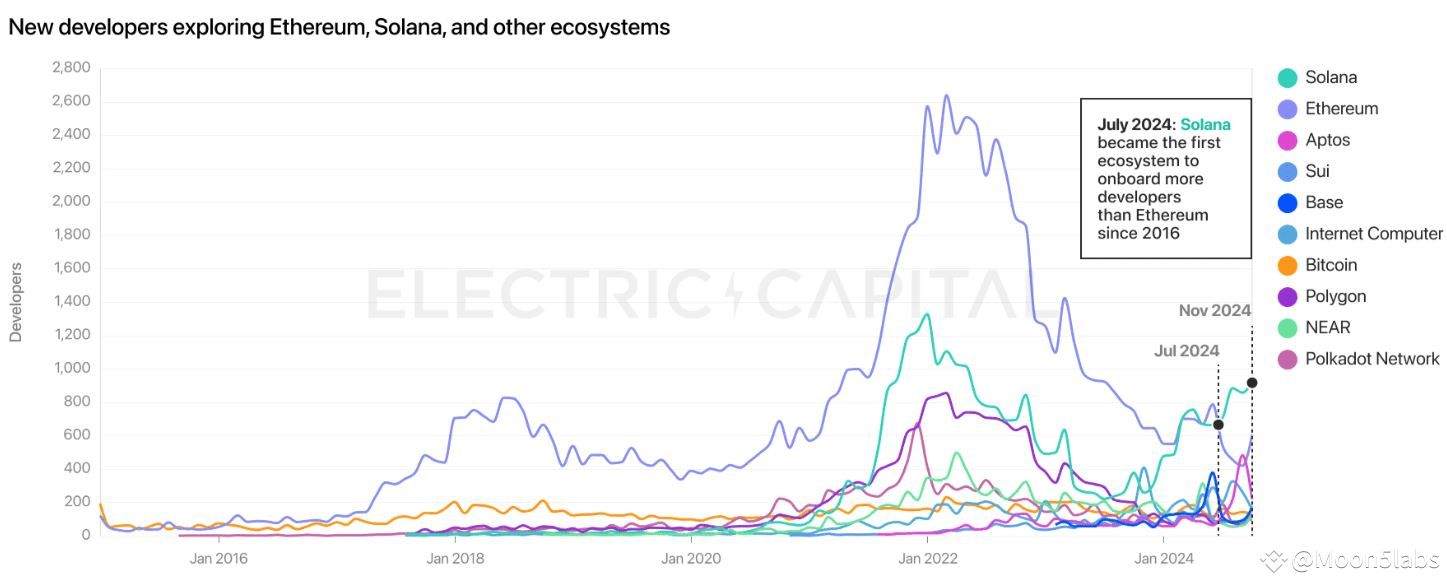
Use live charts to monitor current momentum against the 2026 targets. The gap between current price action and analyst predictions reveals market sentiment. If the price is trading below the mean prediction, it may indicate an entry point; if it is above, consider profit-taking strategies.
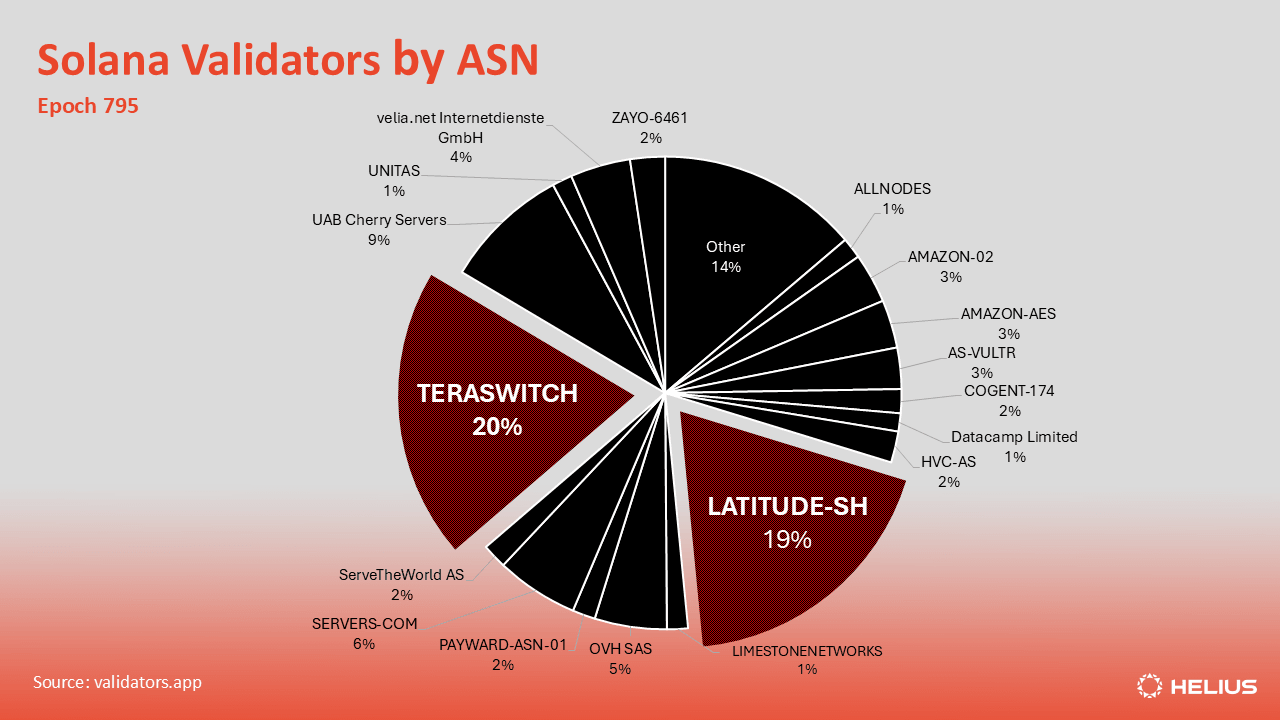
The 2026 plan emphasizes execution integrity. Before building or investing, review the latest network updates on finality and redundancy. Ensure your strategy accounts for the transition from "fastest chain" to "most reliable chain," as this shift will dictate which projects survive and thrive.
Spotting Weak Options and Misleading Claims
The 2026 Solana narrative is crowded with optimistic price targets that often obscure technical realities. While some analysts project SOL reaching $250 to $1,000 based on adoption metrics, others suggest lower baselines around $75 depending on market cycles. These divergent views highlight a critical distinction: price predictions are speculative, but the underlying roadmap is concrete. Investors frequently mistake headline throughput numbers for actual network utility, ignoring the complexity of achieving consistent performance.
Solana’s 2026 technical strategy shifts focus from raw speed to institutional-grade reliability. The goal is no longer just chasing 150,000 TPS headlines but ensuring predictable finality and execution integrity. This pivot addresses previous vulnerabilities where high throughput came at the cost of network stability. For developers and enterprises, this means prioritizing redundancy and fault tolerance over sheer velocity.
When evaluating Solana’s ecosystem, look for projects that leverage this stability rather than those relying solely on speculative hype. Avoid platforms that promise exponential returns without addressing the technical debt of earlier iterations. The real value lies in infrastructure that can handle enterprise loads without frequent outages. Focus on protocols that integrate seamlessly with this hardened network, ensuring long-term viability rather than short-term gains.
Solana 2026: what to check next
Investors and developers are weighing Solana’s aggressive throughput gains against the practical realities of network stability and valuation. The following answers address the most common questions regarding price forecasts and the technical roadmap for 2026.

No comments yet. Be the first to share your thoughts!