
Solana DePIN Budget Fit
Solana’s low transaction costs make it the most practical chain for DePIN (decentralized physical infrastructure networks). These projects let users earn rewards by providing real-world resources like WiFi, data storage, or computing power. Because Solana handles thousands of transactions per second with fees often under a cent, it removes the economic friction that kills most blockchain-based hardware initiatives.
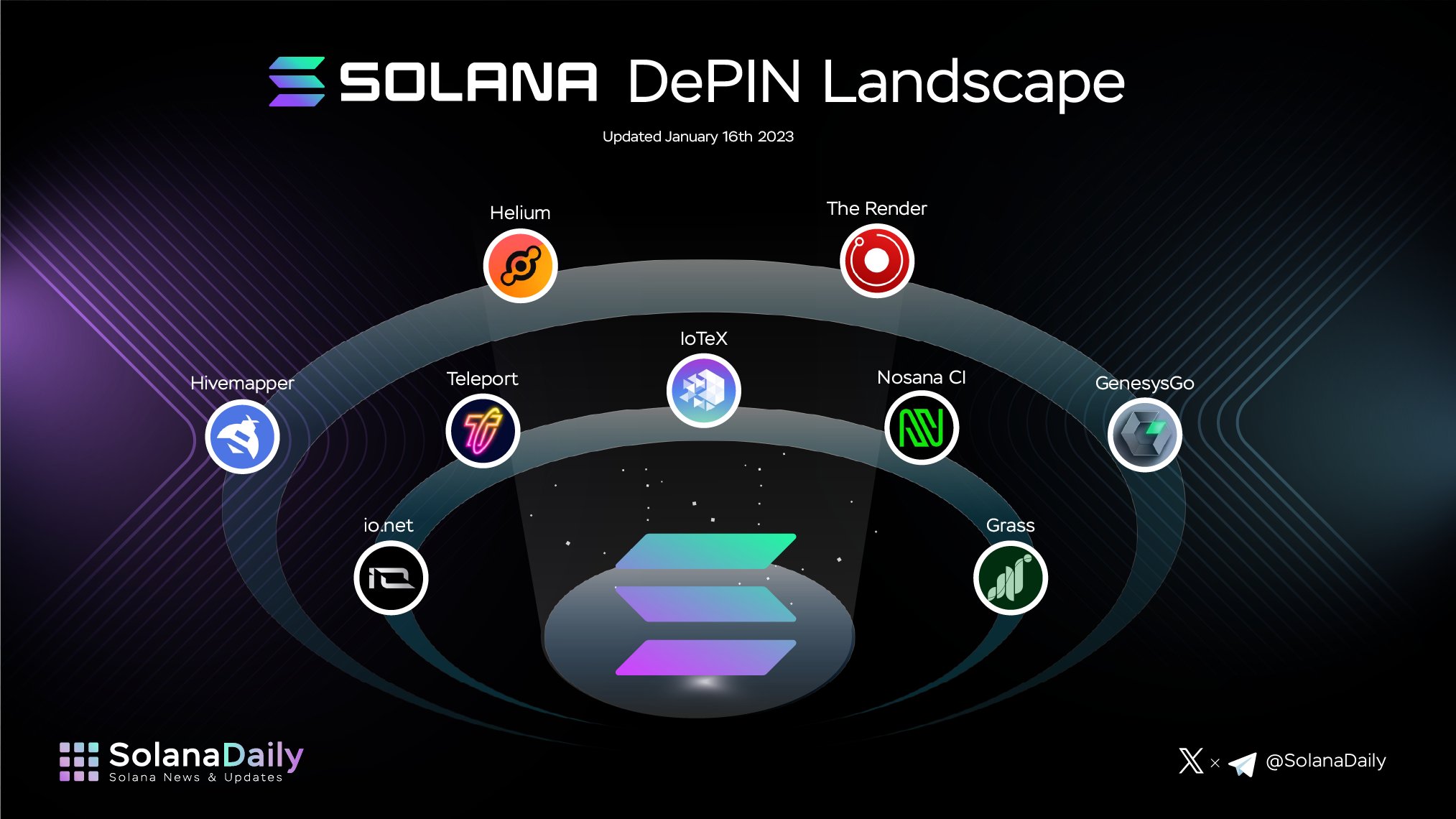
When evaluating DePIN projects for your portfolio, focus on the tradeoff between token utility and hardware adoption. Helium, Hivemapper, and Render are the most renowned Solana DePIN projects, each solving a different physical layer problem. Helium decentralizes wireless connectivity, Hivemapper maps roads via dashcams, and Render connects GPU power to AI creators.
The future of DePIN lies in this integration of Web3 with the physical world. As tokenized real-world assets mature, Solana’s infrastructure will likely serve as the backbone for the next cycle of hardware-backed crypto assets. Look for projects where the hardware cost is justified by clear, daily utility rather than speculative token price action.
Compare the strongest Solana DePIN options
Solana’s high throughput and low transaction costs have made it a preferred chain for Decentralized Physical Infrastructure Networks (DePIN). These projects allow users to earn rewards by contributing real-world hardware, such as wireless coverage, mapping data, or computing power. As the ecosystem matures, distinguishing between established networks and emerging competitors is essential for investors and participants.
The following comparison highlights three of the most prominent Solana DePIN projects. Each serves a distinct utility, addressing different segments of the physical infrastructure market. Understanding these differences helps clarify where each token fits within the broader DePIN narrative.
| Project | Core Utility | Required Hardware | Network Status |
|---|---|---|---|
| Helium | Decentralized wireless coverage | Mobile and IoT hotspots | Operational, large-scale |
| Hivemapper | Crowdsourced road mapping | Dashcams and ECU adapters | Active, global coverage |
| Render Network | Distributed GPU rendering | High-end GPUs | Expanded to Solana |
Helium has established itself as a leader in decentralized wireless infrastructure. By deploying mobile and IoT hotspots, users help extend cellular and low-power wide-area network coverage. The network’s growth demonstrates how physical hardware can scale to provide tangible connectivity services.
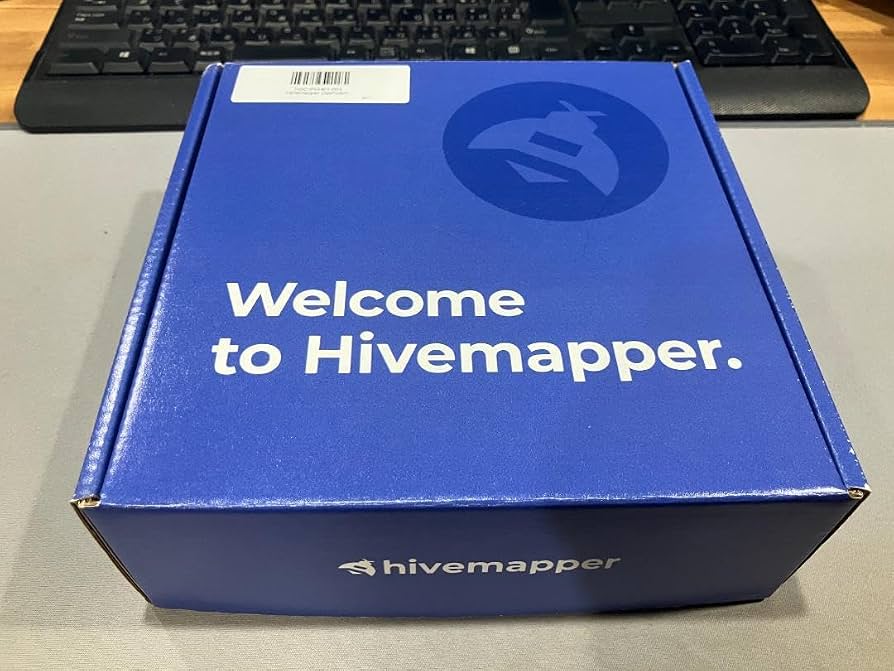
Hivemapper focuses on mapping the physical world through dashcams. Drivers earn rewards by capturing road data, which is then used to update maps for autonomous vehicles and logistics companies. This model turns everyday commutes into valuable data contributions.
Render Network brings distributed GPU computing to Solana. It allows users to rent out unused graphics processing power for rendering, AI training, and other intensive tasks. This expansion leverages Solana’s speed to facilitate efficient resource allocation for creative and computational needs.
Inspect the expensive parts
DePIN projects on Solana often promise high yields, but the hardware behind them is where most users lose money. Before deploying capital or buying devices, check these failure points. The cost of replacing a broken hotspot or paying for failed node uptime usually dwarfs the staking rewards.
Many DePIN networks require specific router models or sensor types. Buying a generic device that doesn’t meet the protocol’s strict firmware or hardware requirements is a common mistake. Check the official project’s supported device list before purchasing.
Network rewards often drop sharply if you are too close to other nodes. Use the project’s heat map to find “sweet spots” with low coverage. Overlapping coverage in dense urban areas usually leads to minimal rewards despite high hardware costs.
Proof-of-Relay or Proof-of-Coverage protocols penalize downtime heavily. A single day of offline status can wipe out a week’s earnings. Ensure your internet connection has a backup power source and reliable uptime before committing to the network.
Some projects lock early rewards or have high inflation rates that dilute your stake. Read the tokenomics whitepaper to understand when you can actually sell your rewards. High APYs are often misleading if the token price crashes due to massive sell pressure.
Recommended Tools


As an Amazon Associate, we may earn from qualifying purchases.
Plan for Ownership Costs
A cheap purchase price rarely tells the whole story. When you buy hardware for Solana DePIN, you are buying a continuous liability. The device that earns rewards also consumes power, requires internet, and needs physical maintenance. If your electricity bill or replacement parts cost more than the token rewards, the investment turns negative fast.
Power and Electricity
Hardware is only as profitable as the energy it burns. A Helium hotspot or a Hivemapper dashcam runs 24/7, drawing power from your grid. In regions with high electricity rates, this cost can erase your daily earnings. Always calculate your local kWh rate against the device’s wattage before buying. A device that costs $100 but uses 10 watts might be cheaper than a $200 device using 5 watts, depending on your usage patterns.
Internet and Connectivity
Most DePIN projects require a stable, high-bandwidth connection to upload data or verify transactions. If your home internet has data caps or frequent outages, your node will miss rewards or get penalized. Some projects even require wired Ethernet connections for reliability, adding to your setup complexity. Factor in the monthly cost of your internet plan and any necessary upgrades to support constant uptime.
Maintenance and Hardware Failure
Physical devices break. Hard drives fail, cameras get damaged, and routers crash. Unlike software-only nodes, DePIN hardware requires physical intervention. You might need to replace a hard drive every few years or clean a sensor lens. These hidden costs add up. If a device goes offline for a week due to a hardware fault, you lose not just the rewards for that week, but potentially the reputation score required for higher earnings.
When a Cheap Buy Stops Being Cheap
The cheapest option is often the most expensive in the long run. Low-cost devices may use lower-quality components that fail sooner, or they may lack the processing power to handle future protocol updates. Always look at the total cost of ownership: purchase price + electricity + internet + maintenance + replacement parts. A slightly more expensive, robust device often pays for itself by lasting longer and requiring less attention.

As an Amazon Associate, we may earn from qualifying purchases.
Solana depin: what to check next
DePIN stands for Decentralized Physical Infrastructure Networks. It lets anyone earn rewards by powering real-world infrastructure—like WiFi, data storage, or computing power—using their own hardware. Solana’s high throughput and low fees make it the preferred chain for these projects, enabling microtransactions that would be too expensive on slower networks.
The most prominent Solana DePIN projects include Helium, Hivemapper, and Render. Helium has built one of the largest mobile wireless networks globally. Hivemapper crowdsources road mapping data via dashcams, while Render provides decentralized GPU computing for AI and graphics rendering. These projects demonstrate how crypto incentives can bootstrap physical assets.
DePIN has a strong future because it bridges the gap between Web3 and the physical world. As AI agents and IoT devices require more infrastructure, decentralized networks offer a scalable, cost-effective alternative to traditional centralized providers. This integration is driving the current market cycle, turning idle hardware into productive economic nodes.

No comments yet. Be the first to share your thoughts!