
5 Solana Ecosystem Projects Driving Real-World Adoption in 2026
As Solana transitions from speculative trading to tangible utility in 2026, five key projects are leading the charge in real-world adoption. This section highlights the specific infrastructure and applications that are bridging the gap between blockchain technology and everyday economic activity.
1. Jupiter Aggregator for DeFi Liquidity
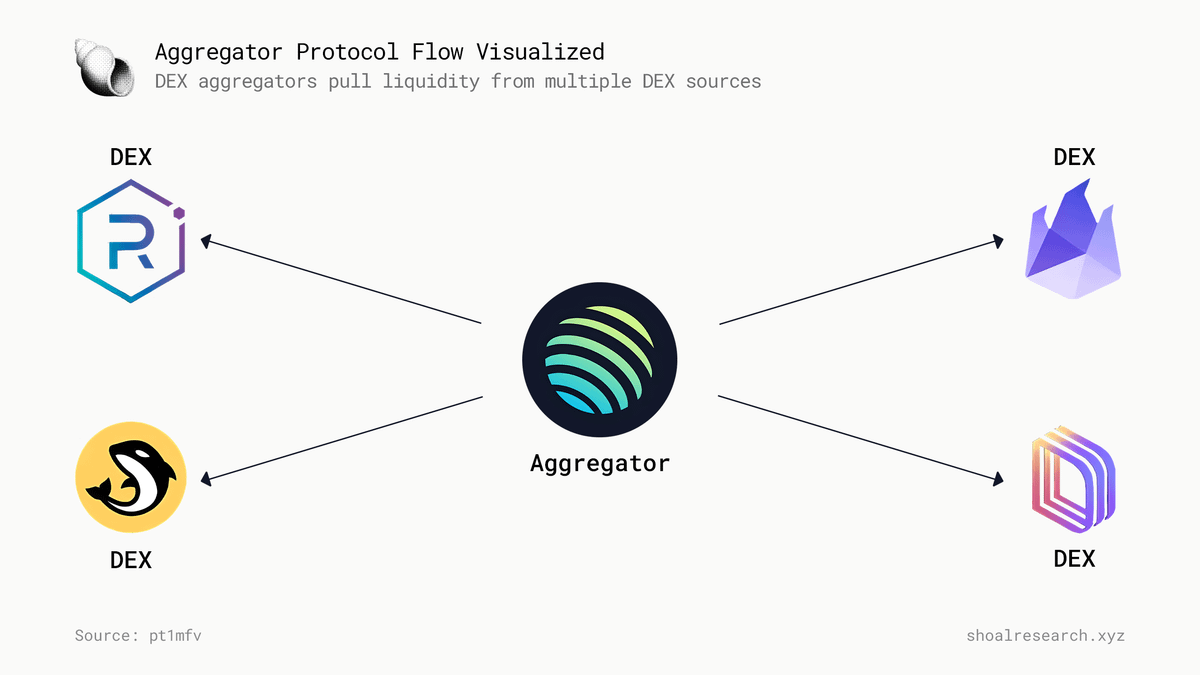
Jupiter acts as the essential liquidity hub for the Solana ecosystem, aggregating prices across multiple decentralized exchanges to ensure traders get the best possible rates. Its advanced limit order features and DCA tools provide retail and institutional users with sophisticated execution capabilities. This infrastructure reduces slippage significantly, making Solana DeFi accessible and efficient for everyday financial transactions.
2. Jito Liquid Staking and MEV Rewards
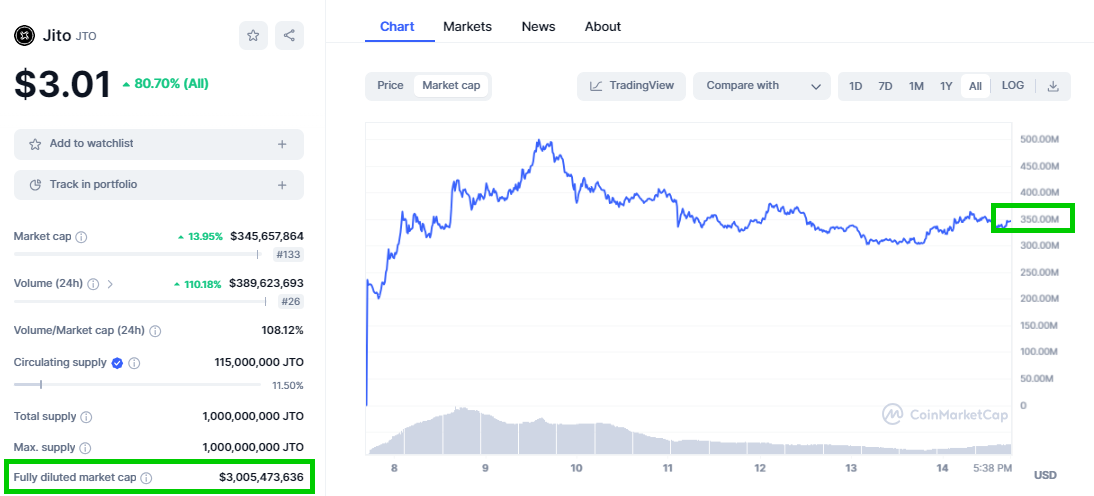
Jito transforms traditional staking by allowing users to retain liquidity while earning rewards, uniquely capturing MeV value to distribute additional yield to stakers. This mechanism aligns incentives between validators and users, enhancing network security without locking up capital. By integrating seamlessly with DeFi protocols, Jito enables users to deploy staked assets elsewhere, creating a dynamic and efficient capital utilization model within the Solana ecosystem.
3. Drift Protocol Perpetuals Trading
Drift Protocol offers a high-performance decentralized exchange specifically designed for perpetual futures trading, leveraging Solana’s speed for low-latency execution. Users can access leveraged positions with minimal fees, competing directly with centralized exchanges in terms of user experience. The platform’s robust risk management systems and deep liquidity pools make it a preferred choice for traders seeking advanced derivatives trading capabilities without compromising on decentralization or security standards.
4. Kamino Finance Yield and Lending
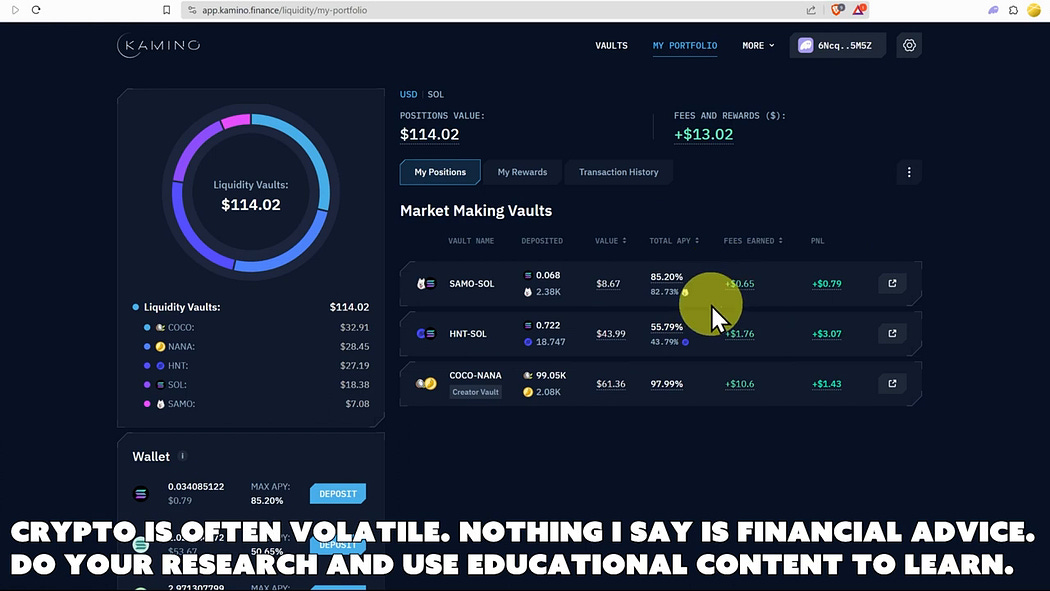
Kamino Finance simplifies yield generation by offering automated strategies for lending and borrowing assets on Solana, reducing the complexity typically associated with DeFi yield farming. Users can deposit assets into optimized vaults that automatically adjust strategies to maximize returns while managing risk. This approach democratizes access to sophisticated financial products, allowing participants to earn competitive yields through passive participation in the lending markets without requiring extensive technical knowledge or active management.
5. Pyth Network Real-Time Price Oracles
Pyth Network delivers institutional-grade price feeds with ultra-low latency, serving as the critical data layer for numerous DeFi applications on Solana. By sourcing data directly from over a hundred financial institutions, Pyth ensures accuracy and reliability for pricing assets in lending protocols and derivatives platforms. This real-time data infrastructure is essential for maintaining the integrity of financial contracts, enabling developers to build robust applications that require precise and timely market information for accurate execution and settlement.
- Real-time price feeds
- Institutional data sources
- Low latency updates
Solana's institutional shift in 2026
Solana has moved past the era of retail speculation. The network is now functioning as institutional infrastructure, designed to handle the heavy lifting of real-world asset (RWA) tokenization. This transition marks a fundamental change in how Solana is used, shifting focus from high-frequency trading to stable, enterprise-grade settlement.
The April 2026 ecosystem roundup highlights this pivot. Stablecoins and tokenized assets are no longer experimental; they are becoming the primary drivers of volume. This shift provides the liquidity and stability needed for traditional finance to integrate on-chain.
For investors and developers, the relevance of Solana in 2026 lies in its ability to support these concrete products. The network is no longer just a casino; it is a settlement layer for real-world value.
Securing your Solana assets
Solana’s speed and low fees make it a favorite for DeFi and NFTs, but that same activity exposes your holdings to phishing and smart contract risks. The most effective defense is keeping your significant SOL and ecosystem tokens in a hardware wallet. Cold storage keeps your private keys offline, far from the reach of online attackers.
When choosing a device, prioritize native Solana support. Ledger and Trezor both offer dedicated apps for managing SPL tokens securely. Look for models with clean user interfaces that simplify transaction verification on the device screen. Avoid software-only wallets for long-term storage of substantial value.


As an Amazon Associate, we may earn from qualifying purchases.
Always verify the device manufacturer’s official website before purchasing to avoid supply-chain tampering. Initialize the device in a secure environment and write down your recovery phrase on metal or paper—never digitally. This simple step ensures you retain access to your assets even if the physical device is lost or damaged.
Frequently asked: what to check next
How do JUP and Jito drive real-world adoption on Solana?
Jupiter (JUP) acts as the primary liquidity aggregator, allowing users to swap tokens across the entire Solana ecosystem with minimal slippage. Jito focuses on liquid staking and MEV (Maximal Extractable Value) redistribution, ensuring that validators and stakers receive higher yields while maintaining network security. Together, they provide the infrastructure for both everyday trading and institutional-grade staking.
Is it safe to hold Solana ecosystem tokens in a hardware wallet?
Yes. Projects like Jito and Raydium use standard SPL token standards, which are fully supported by Ledger and Trezor devices. Keeping your JUP, JTO, or RAY tokens in cold storage protects them from exchange hacks or smart contract exploits. For detailed setup instructions, refer to Ledger’s guide on managing Solana ecosystem tokens.
What makes Solana’s 2026 roadmap different for real-world asset (RWA) tokenization?
The 2026 roadmap emphasizes institutional hardening, focusing on finality guarantees and cross-chain interoperability. This allows real-world assets like treasury bills and private credit to settle on-chain with near-instant finality. According to Blockdaemon, these technical upgrades are designed to make Solana a reliable infrastructure layer for traditional finance rather than just a high-throughput consumer chain.

No comments yet. Be the first to share your thoughts!