
Solana’s 2026 DeFi Landscape Shifts
The Solana ecosystem has matured past the speculative frenzy of previous cycles, settling into a phase defined by institutional-grade reliability and predictable execution. In 2026, the roadmap focuses less on raw transaction speed and more on resilience, fairness, and deep liquidity integration. This shift has positioned Solana as a primary infrastructure layer for the next generation of decentralized finance, where stability matters as much as innovation. The network is no longer just a high-speed testnet; it is a production-grade financial rail capable of handling billions in daily volume.
This structural evolution is most visible in the dominance of specific protocol categories. Automated Market Makers (AMMs) have evolved from simple token swaps into complex, capital-efficient engines. Proprietary AMMs now account for 71% of Solana’s total DEX volume, a massive leap from near zero in early 2025. This surge reflects a broader trend toward sophisticated trading strategies that offer better prices and lower slippage for both retail and institutional participants. Protocols like Jupiter and Raydium lead this charge, offering deep liquidity pools that rival traditional order books.
Lending and staking infrastructure has also consolidated around a few key players, creating a more secure and efficient capital market. Kamino stands out as the largest single DeFi protocol on Solana by Total Value Locked (TVL), holding $1.48 billion across isolated lending markets. Its K-Lend layer supports major assets like SOL, USDC, and stablecoins, providing the backbone for leveraged strategies and yield farming. Similarly, Drift has become the go-to venue for perpetual futures, capturing significant trading volume with its low-latency order book. These platforms are not just competing for users; they are building the foundational credit and derivative layers that institutional capital requires.
The convergence of these protocols has created a self-reinforcing cycle of growth. As more capital flows into lending markets, liquidity deepens across DEXs, which in turn attracts more traders to derivatives platforms. This synergy is evident in the sheer scale of activity: Solana settled $98 billion in spot volume in February 2026 alone. The ecosystem is no longer fragmented; it is a cohesive financial stack where interoperability between lending, trading, and staking protocols drives efficiency. For users, this means lower costs and higher yields, but it also requires a robust security posture.


As an Amazon Associate, we may earn from qualifying purchases.
5 Solana DeFi Protocols Dominating 2026
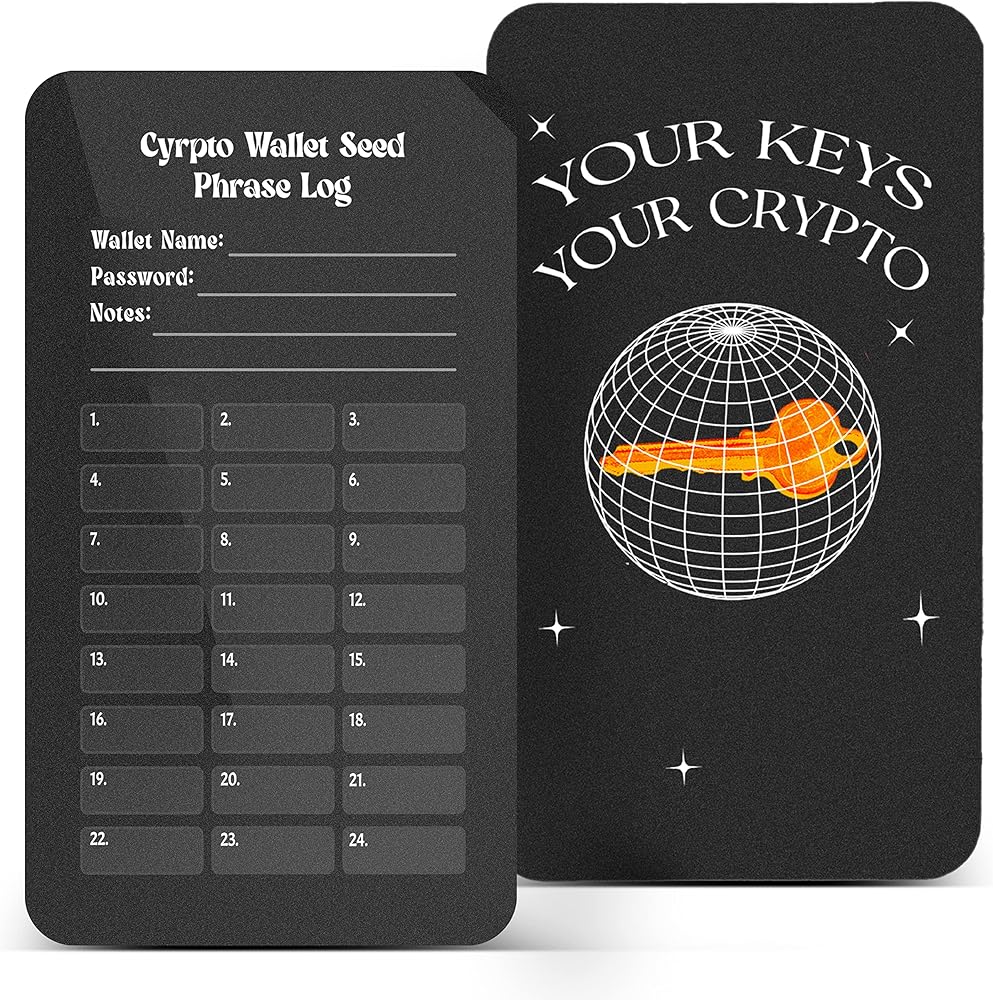
In 2026, Solana’s DeFi ecosystem is defined by five protocols that command the majority of total value locked and trading volume. This roundup examines Jupiter, Kamino, Drift, Magic Eden, and Raydium, using official data to highlight their market dominance. For traders securing these assets, we recommend verifying your holdings with hardware wallets via the AmazonProductGrid below.
1. Jupiter: The liquidity aggregator leader
Jupiter aggregates liquidity across the entire Solana ecosystem, ensuring traders receive the best possible execution prices. By routing orders through multiple decentralized exchanges, it minimizes slippage and maximizes capital efficiency for users navigating the volatile crypto markets in 2026.
2. Kamino Finance: Largest lending market
Kamino Finance stands as the premier lending and borrowing protocol on Solana, offering competitive yields for depositors and flexible liquidity for borrowers. Its intuitive interface and robust risk parameters make it the go-to destination for users seeking to optimize their idle capital in the DeFi space.

3. Drift Protocol: Perpetuals and yield
Drift Protocol revolutionizes trading by offering low-latency perpetual futures with deep liquidity and minimal fees. Traders can leverage their positions with precision, while yield opportunities arise from providing liquidity to the order book, creating a dynamic environment for sophisticated market participants in 2026.

4. Magic Eden: Top NFT marketplace
Magic Eden dominates the Solana NFT landscape, providing a seamless platform for creators and collectors to mint, trade, and discover digital assets. With its user-friendly interface and extensive collection of verified projects, it remains the central hub for NFT activity on the Solana blockchain.

5. Raydium: Automated market maker
Raydium serves as the foundational automated market maker on Solana, providing the essential liquidity infrastructure for numerous DeFi applications. Its hybrid model combines order book and AMM features, enabling efficient token swaps and yield farming opportunities that power the broader Solana economy.
Compare top Solana DeFi protocols
Choosing the right Solana DeFi protocol depends on your specific financial goals. The market has split into specialized niches: Jupiter dominates trading volume, Kamino leads in lending depth, Drift serves advanced traders, Magic Eden bridges NFTs with finance, and Raydium powers liquidity for Prop AMMs.
Use the table below to see how these five leaders stack up against each other on total value locked, primary function, and ideal user profile.
| Protocol | Category | Primary Focus | Best For |
|---|---|---|---|
| Jupiter | DEX Aggregator | High Volume Trading | Traders seeking best prices |
| Kamino | Lending & Borrowing | Largest TVL ($1.48B) | Yield farmers and borrowers |
| Drift | Perpetuals DEX | Leverage Trading | Advanced derivatives traders |
| Magic Eden | NFT & DeFi Hub | NFT Liquidity | Collectors and NFT traders |
| Raydium | Liquidity Provider | Prop AMM Pioneer | Liquidity providers and DEX users |
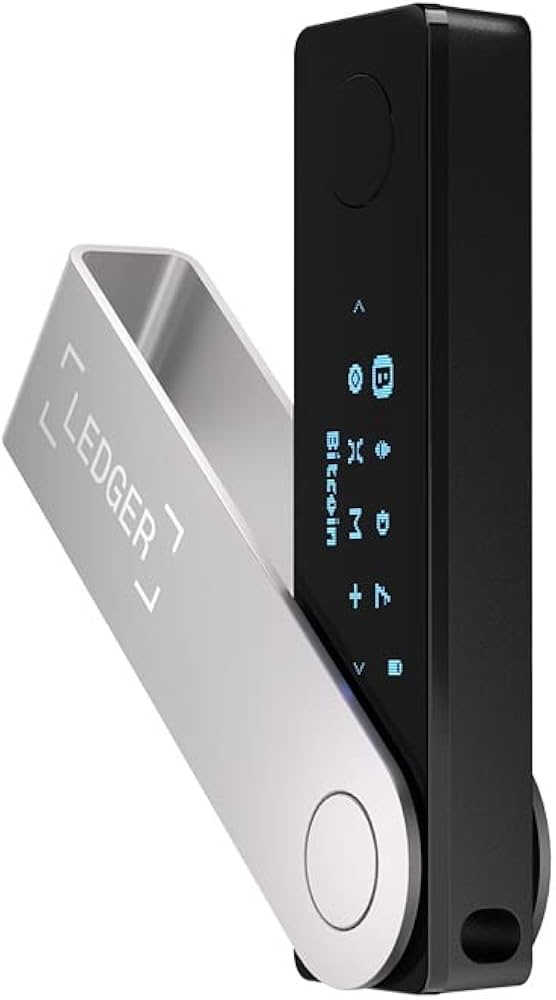
For secure management of your Solana assets across these platforms, hardware wallets are essential. We recommend the following devices for cold storage and transaction signing:


As an Amazon Associate, we may earn from qualifying purchases.
Frequently asked: what to check next


As an Amazon Associate, we may earn from qualifying purchases.

No comments yet. Be the first to share your thoughts!