
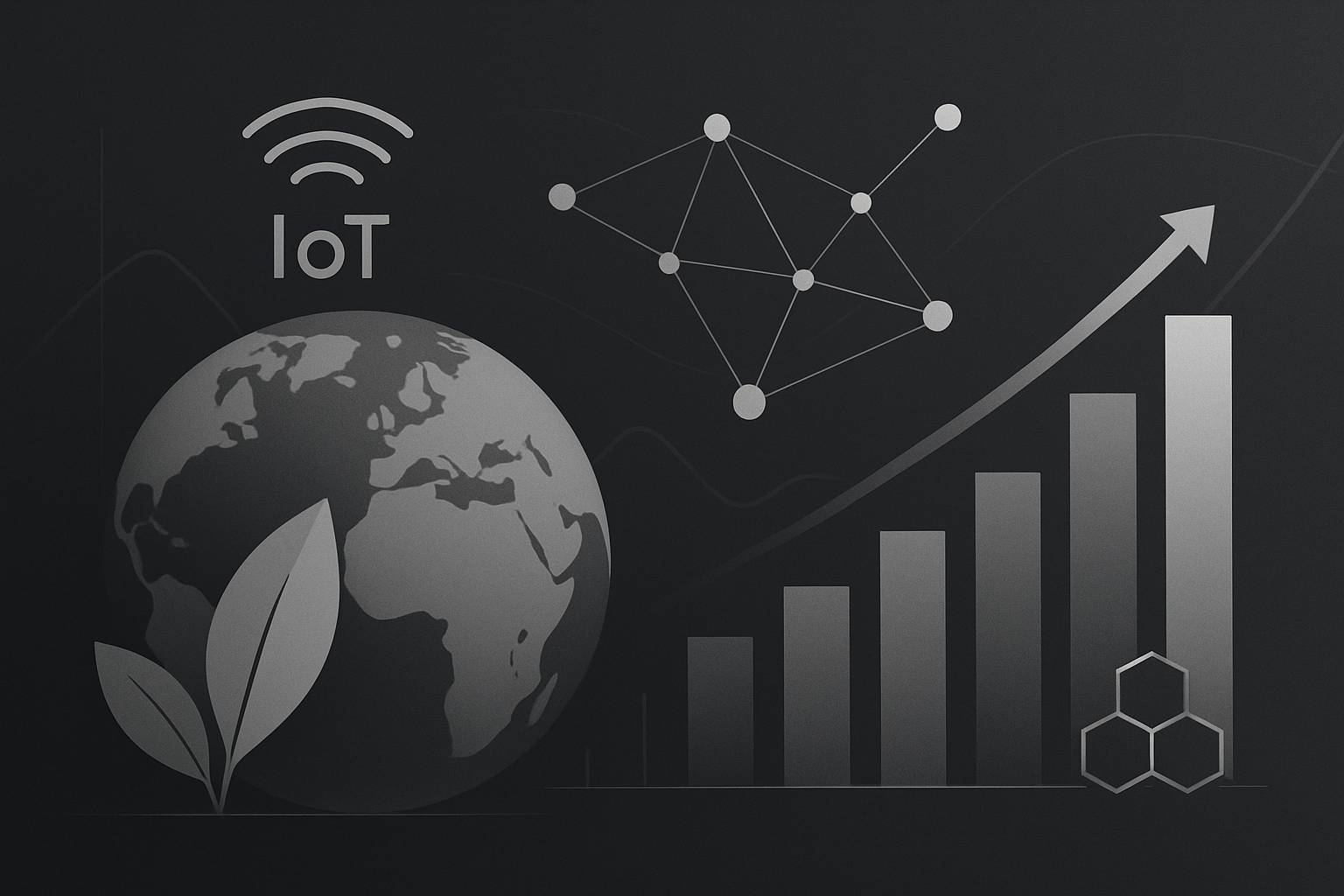
In 2025, the conversation around climate intelligence has shifted dramatically, thanks to the rise of Solana DePIN climate intelligence solutions. As extreme weather events and environmental concerns mount, decentralized networks on Solana are reshaping how we gather, verify, and act on critical climate data. The secret sauce? A new generation of IoT sensors paired with the speed and transparency of the Solana blockchain.
Why Decentralized Climate Data Matters in 2025
Traditional environmental monitoring systems have always grappled with limitations: sparse coverage, high costs, siloed data, and slow reporting. In remote or underserved regions, reliable weather and air quality information can be nearly impossible to obtain - yet these are often the areas most vulnerable to climate risks.
This is where decentralized climate data on Solana comes into play. By leveraging a global network of community-powered IoT devices, DePIN projects can crowdsource real-time environmental data at an unprecedented scale. The result? Open access to hyperlocal insights for farmers, city planners, insurers, researchers - anyone who needs trustworthy information to make smarter decisions about our planet.
Solana DePIN Projects Leading the Charge
The last year has seen explosive growth in Solana DePIN projects 2025, with over 30 active networks now spanning compute, wireless connectivity, mapping, energy infrastructure - and most crucially for climate intelligence - IoT sensor deployments.
Ambient, for example, has rapidly expanded its decentralized sensor grid to more than 25,000 devices across 20 and countries. These sensors generate over 10.7 billion streams of air quality and environmental data every month. Ambient’s acquisition and migration of PlanetWatch’s network from Algorand to Solana earlier this year was a game changer for scalability and efficiency in open environmental monitoring.
WeatherXM, meanwhile, is tackling one of the biggest gaps in meteorology: reliable coverage in underrepresented areas. Their Targeted Rollouts initiative funds new weather stations through NFT-backed community participation. Each NFT represents a share in a deployable station; when installed (often by local partners), it starts streaming live meteorological data directly onto Solana’s blockchain for transparent validation and rewards participants in $WXM tokens.
The results are already impressive. In Kenya alone - via partnership with BLCK IoT - WeatherXM’s stations improved flood modeling accuracy by over 30%, while helping boost crop yields by up to 18%. This is traceable open data on blockchain making a tangible difference where it matters most.
The Role of Helium and IoTeX: Scaling Up Smart Cities and Analytics
No discussion about IoT sensors on Solana blockchain would be complete without mentioning Helium’s migration to Solana. Now powering decentralized wireless networks (including community-driven 5G hotspots), Helium supports thousands of IoT devices transmitting everything from air quality metrics to noise pollution levels across major cities like New York and San Jose.
The numbers speak volumes: In April 2025 alone, Helium generated $2.29 million in total on-chain revenue - nearly 60% of all sector-wide earnings among DePIN projects on Solana. This isn’t just theoretical infrastructure; it’s real-world value creation at scale.
Add to that the October integration between IoTeX and Solana: now anyone can access verifiable analytics about every connected device worldwide via platforms like DePINScan. Want to see how many sensors are streaming temperature or CO₂ readings near you? Or compare device earnings by region? It’s all visible in real time - another leap forward for transparency and actionable insight.
What’s truly exciting is how these advances in Solana environmental monitoring are democratizing both data access and participation. Anyone, from tech-savvy city officials to smallholder farmers, can now deploy or interact with IoT sensors, contributing to a decentralized global climate intelligence network. Open-source libraries and developer tools in the Solana ecosystem have lowered the barrier to entry for building and integrating these devices, fueling a virtuous cycle of innovation.
It’s not just about collecting more data, it’s about creating a trustless system where every data point is traceable, tamper-proof, and instantly available. That’s a radical shift from the old model of closed-off government or corporate silos. Now, communities can validate climate events as they happen, insurers can automate payouts based on real-time triggers, and researchers can tap into massive datasets with full provenance.
How Solana DePIN Climate Intelligence Works: From Sensor to Blockchain
Let’s break down what actually happens when an IoT sensor joins a Solana-powered DePIN network:
How an IoT Sensor Sends Climate Data to Solana for Open Intelligence
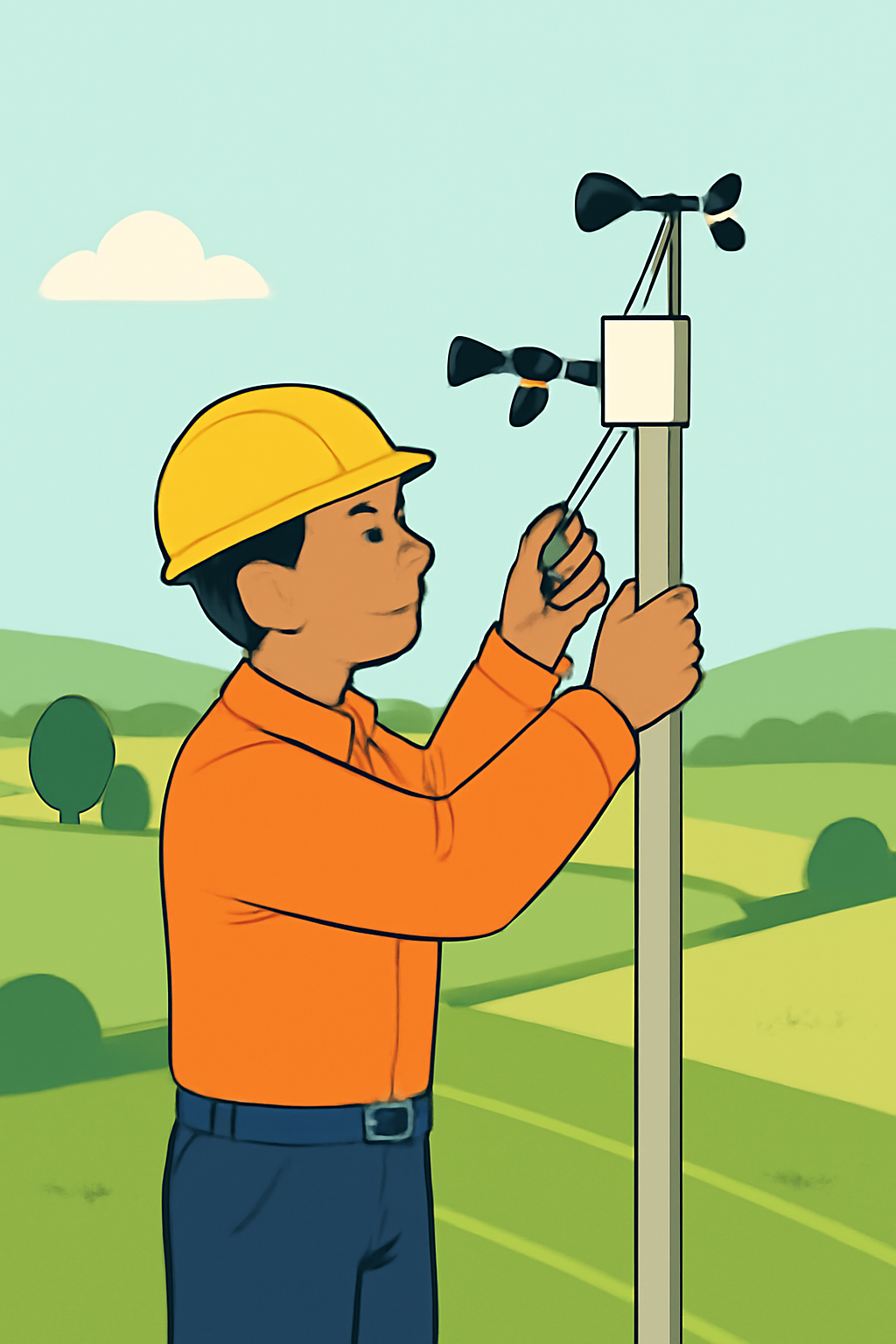
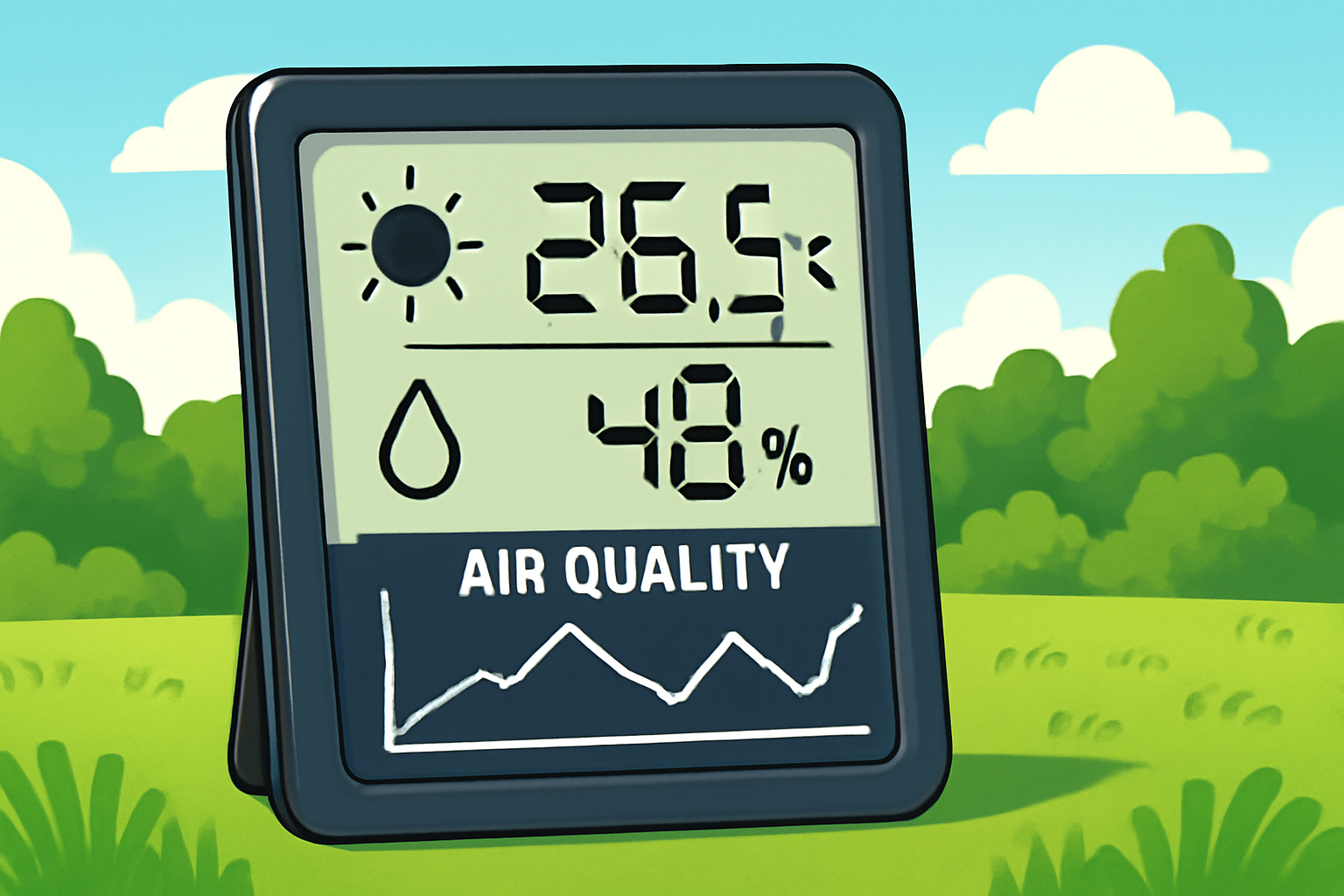
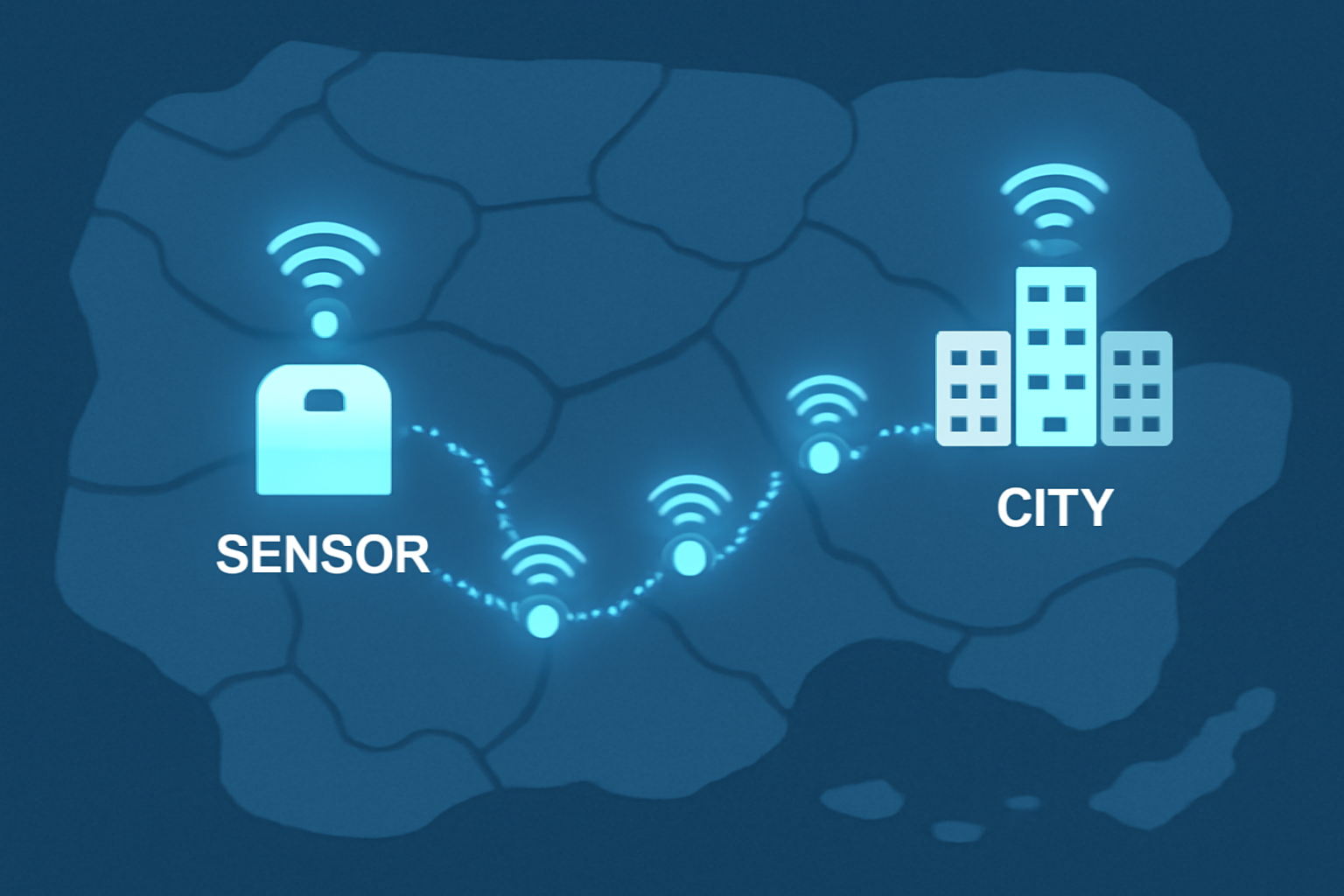
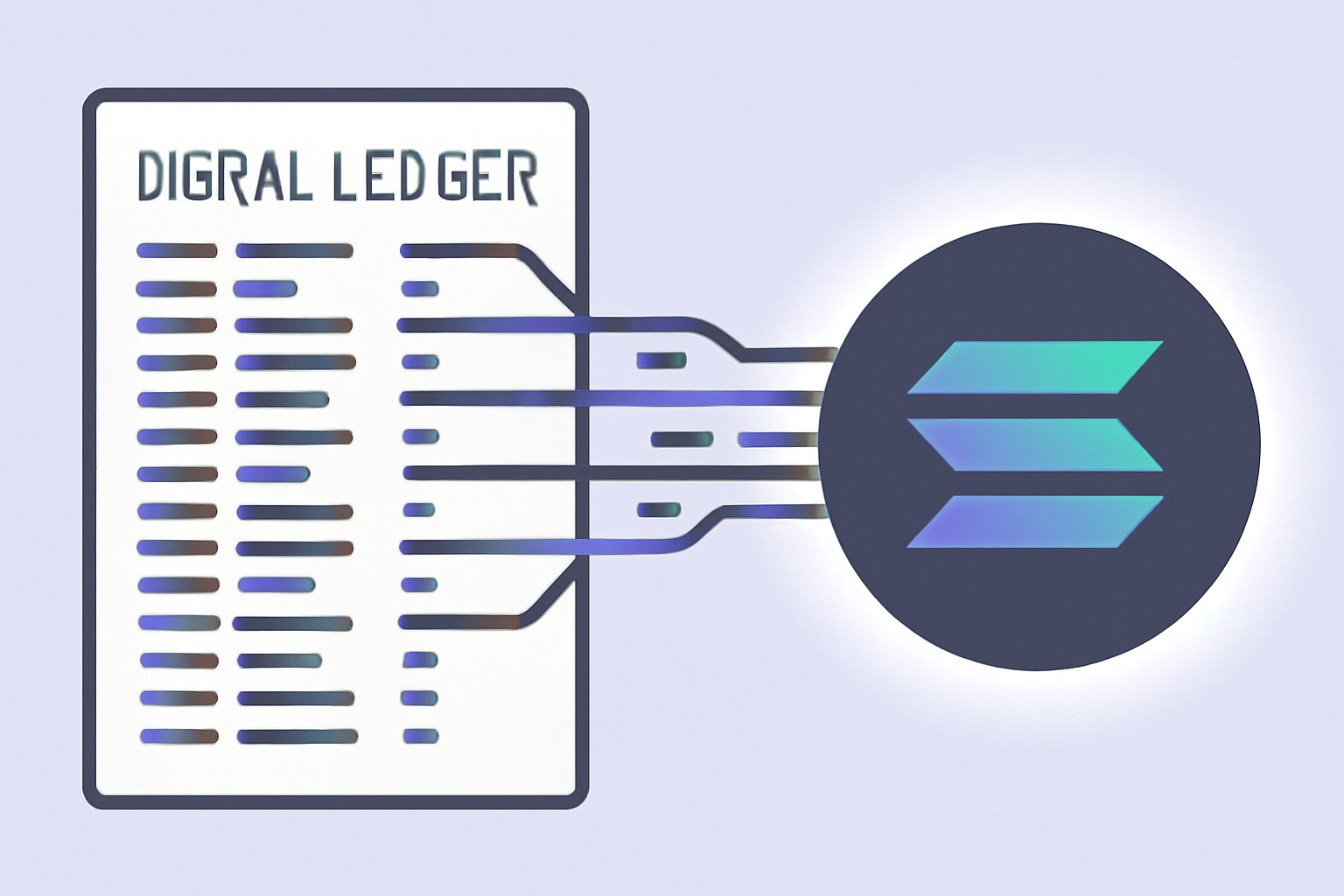

This seamless pipeline, from sensor deployment to public blockchain, makes it possible to respond faster to extreme weather events, optimize crop irrigation in real time, or even support new forms of parametric insurance that pay out instantly when certain data thresholds are met.
The Economic Impact: Real-World Value Meets Token Incentives
The economic flywheel behind these networks is equally powerful. Projects like WeatherXM reward contributors with $WXM tokens for maintaining active weather stations; Helium participants earn HNT by providing wireless coverage; Ambient incentivizes air quality monitoring with its own token model. These incentives are all settled transparently on Solana’s high-speed blockchain, where transaction fees remain negligible even as volumes soar.
For context: as of November 13,2025, Binance-Peg SOL (SOL) is trading at $145.12, reflecting robust demand for blockspace driven largely by DePIN activity. This price stability is crucial for project treasuries and reward pools that underpin the sustainability of community-run infrastructure.
The result? A thriving ecosystem where local knowledge meets global coordination, and where anyone can participate in building resilient infrastructure while earning real rewards.
Open Data for a Greener Future
The marriage of traceability open data blockchain and IoT sensors on Solana isn’t just a technical feat, it’s a social one. By making environmental data open-source and verifiable at every step, we’re laying the groundwork for smarter cities, more adaptive agriculture, and better disaster preparedness worldwide.
If you’re exploring ways to get involved, whether as an investor looking at Solana DePIN projects 2025, a developer keen on building new integrations, or simply someone who wants better information about your environment, the door has never been more open.
The future of climate intelligence will be decentralized, and thanks to Solana DePIN networks and IoT innovation in 2025, it’s already here.





No comments yet. Be the first to share your thoughts!