
Decentralized Physical Infrastructure Networks (DePIN) on Solana are reshaping how everyday people can participate in and benefit from real-world infrastructure, from wireless connectivity to mapping and storage. Yet despite the promise of democratizing access, DePIN has historically remained the domain of technically savvy users willing to navigate complex node setups, wallet management, and hardware requirements. As the Solana ecosystem matures, a new wave of projects is working to make DePIN accessible for non-technical users, lowering barriers so anyone can contribute and earn rewards without needing a background in blockchain or engineering.
Why Accessibility Matters: The Case for User-Friendly DePIN
For DePIN to reach mass adoption on Solana, it must move beyond crypto-native circles. Today’s market highlights this urgency: with Binance-Peg SOL trading at $238.00 (down 4.34% in the last 24 hours), investors are increasingly seeking projects with broad user appeal and sustainable growth models. Accessible DePIN networks not only expand participation but also diversify incentive structures, making these systems more resilient to market volatility.
Balance is the key to resilience, especially when onboarding new participants into decentralized infrastructure.
Key Strategies for Lowering Barriers on Solana
The most promising DePIN initiatives are adopting several strategies to welcome non-technical users:
Easy Start: Join a Solana DePIN Project Without Technical Skills
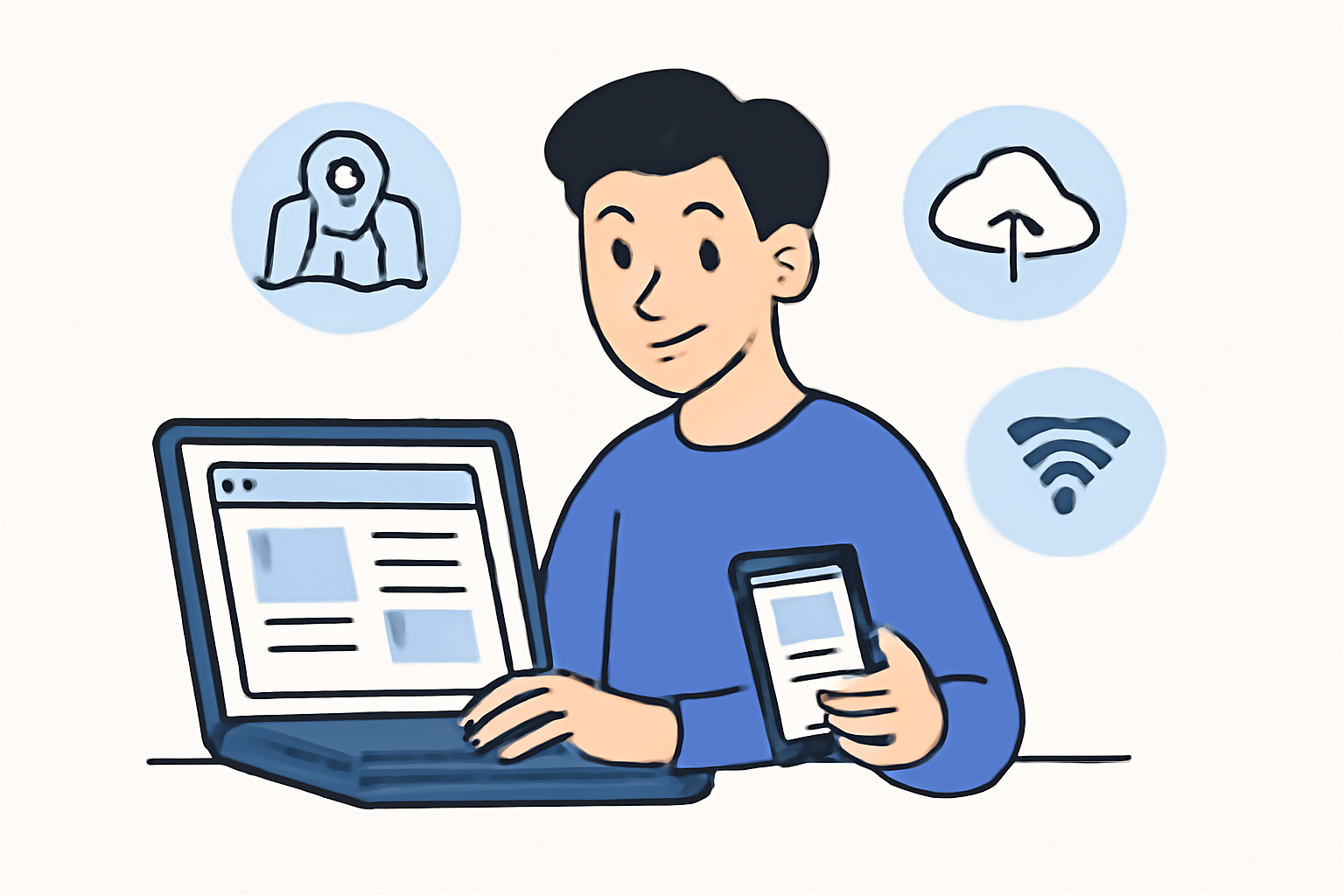
Leveraging Existing Hardware: By enabling participation through devices people already own, like smartphones, projects such as Hivemapper reduce upfront costs and technical friction. This approach is crucial for onboarding users who may be unfamiliar with blockchain-specific hardware or terminology. Learn more about how these models work in practice at Solana Echo.
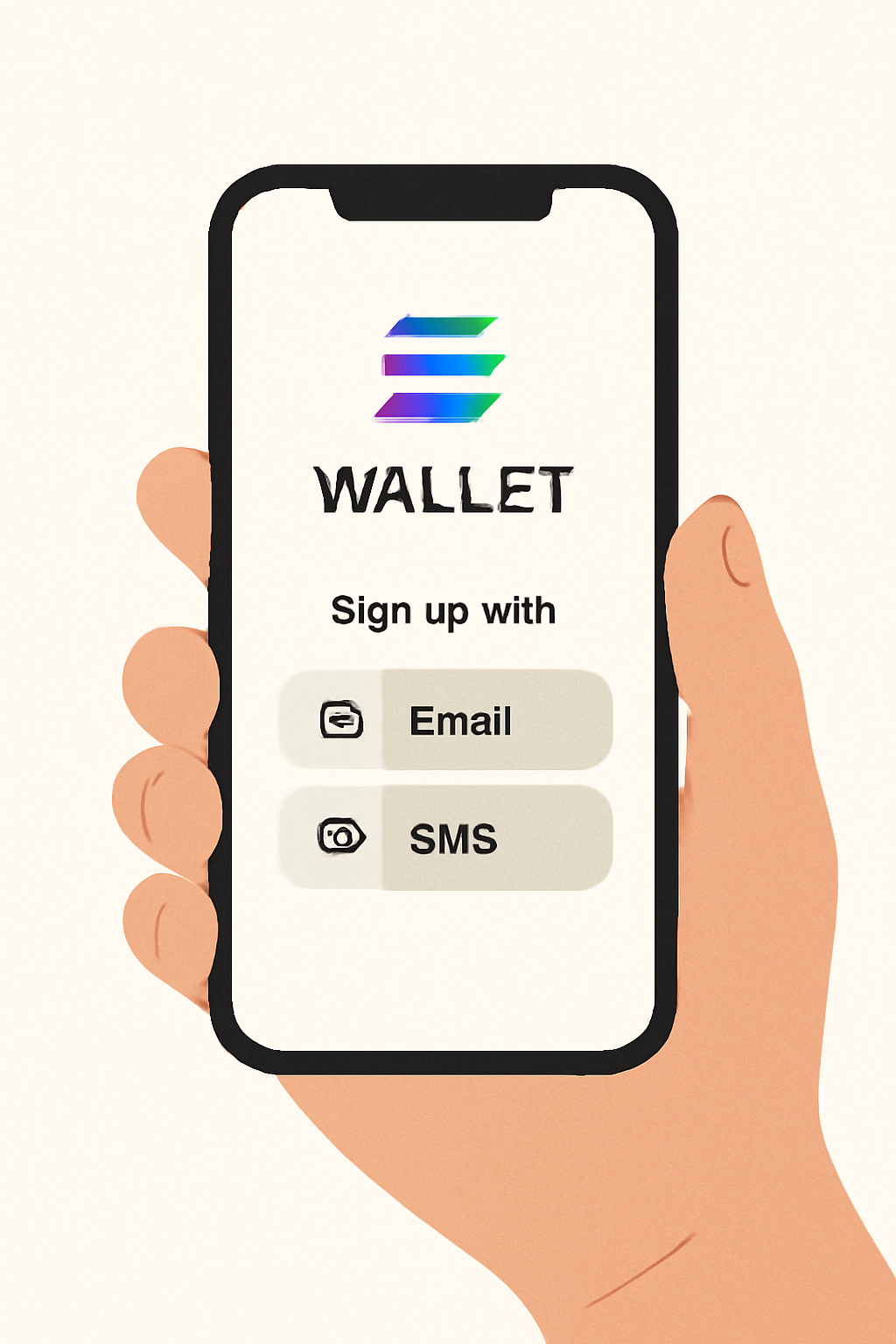
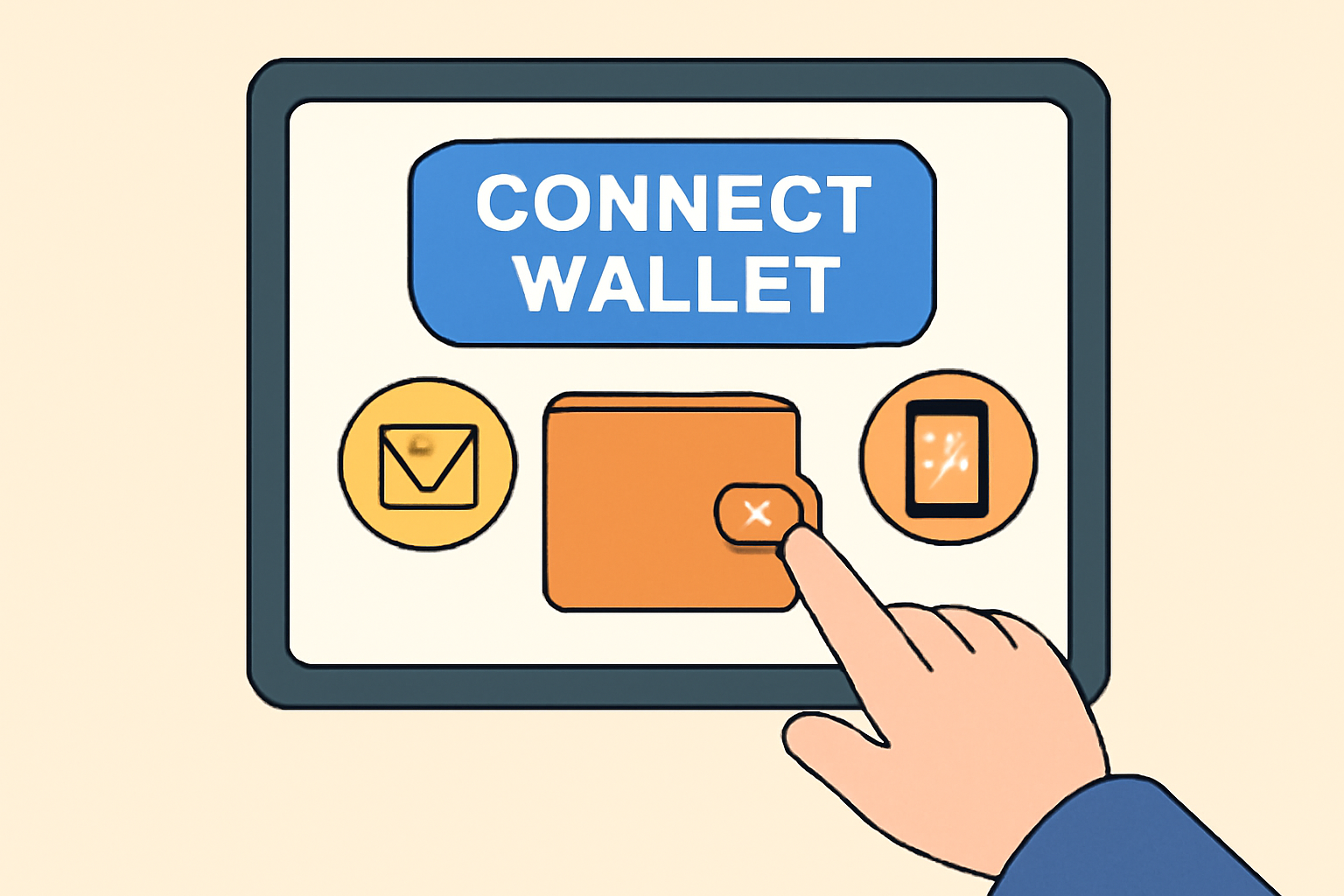
Simplifying User Interfaces: Many new platforms now feature intuitive mobile apps that allow registration via email or SMS rather than requiring knowledge of seed phrases or wallet extensions. These design choices create an experience that feels familiar, even for those who have never interacted with crypto before.
Diverse Incentives and Real World Utility
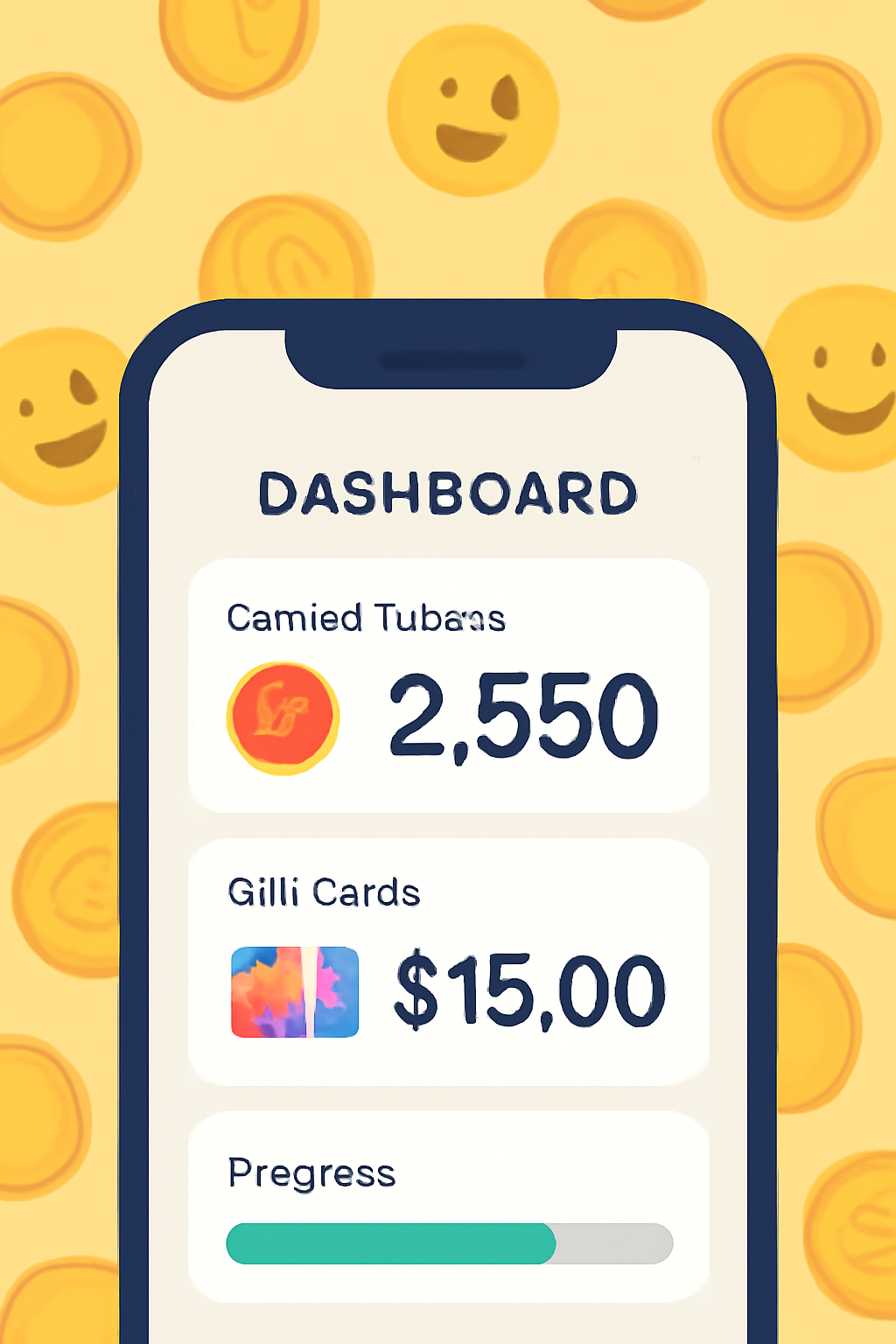
Another critical step toward accessibility involves expanding reward options beyond cryptocurrencies alone. Some projects now offer gift cards, discounts, or other tangible benefits alongside token incentives, broadening appeal for those less interested in speculation and more motivated by practical value. This focus on real-world utility also helps sustain engagement as users see immediate benefits from their contributions.
The emphasis on practical applications, like improved navigation, enhanced data privacy, or community WiFi, is central to retaining new participants over time. As noted by industry observers, prioritizing utility over pure token earnings helps build loyalty among mainstream audiences (crypto.news).
Mobile-First Experiences: The Role of Solana's Tech Stack
The rollout of the Solana Mobile Stack (SMS) and devices such as the Saga smartphone further enhances accessibility by embedding secure blockchain features directly into everyday mobile experiences. This integration allows non-technical users to interact with DePIN apps seamlessly, without needing deep technical knowledge or specialized software setups.


No comments yet. Be the first to share your thoughts!