
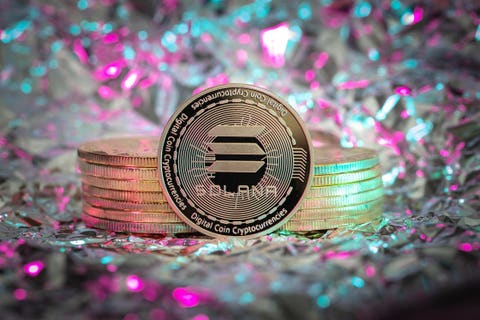
Solana RWA Tokenization 2026 Budget
The Solana network has become the primary settlement layer for real-world assets (RWAs), with tokenized equities and bonds now representing nearly 97% of the sector's share. This dominance isn't just a trend; it's a structural shift driven by the network's ability to handle high-volume, low-cost transactions essential for institutional-grade asset tokenization. As of May 2026, the total value of tokenized RWAs on Solana has surged past $2.8 billion, with stablecoin supply reaching $16.4 billion, providing the liquidity backbone for these complex financial instruments.
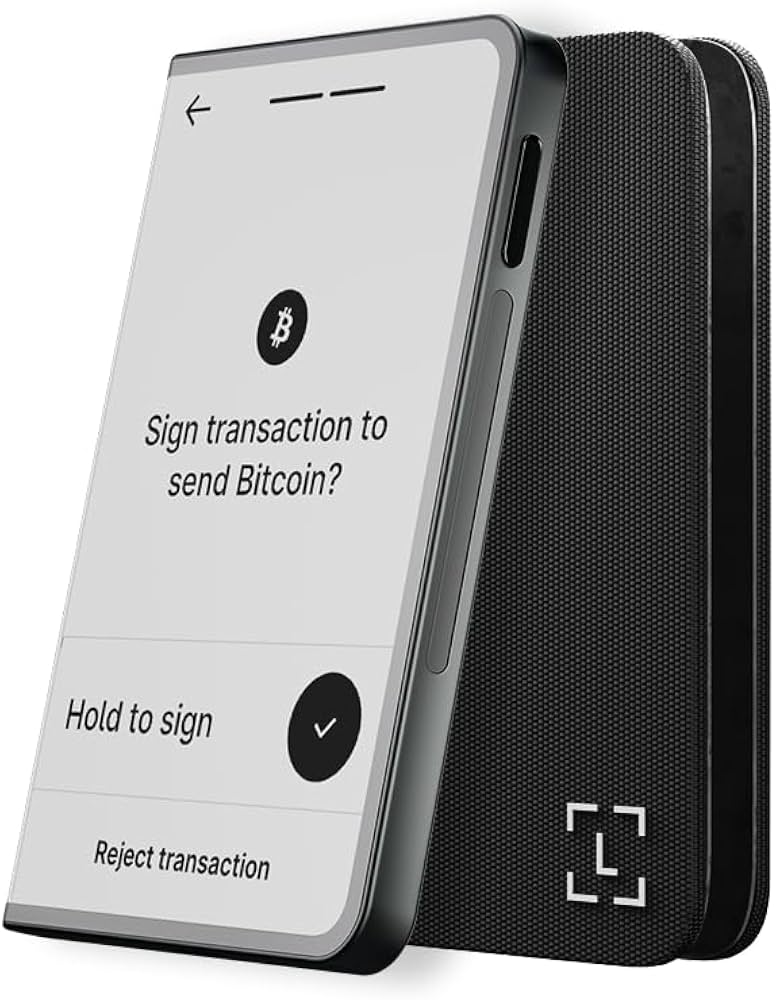
For investors and institutions looking to participate in this space, the budget considerations are less about the cost of the asset itself and more about the infrastructure required to hold and trade it. Unlike traditional equity markets, RWA tokenization on Solana often involves holding tokens in self-custody wallets or using specialized DeFi protocols that act as bridges to traditional finance. This means your "budget" must account for hardware security solutions and potentially higher gas fees during peak network congestion, though Solana's throughput generally keeps these costs negligible compared to Ethereum.
The recent 10% month-over-month growth in tokenized asset value, reaching $873.3 million in a single snapshot, underscores the urgency of having the right tools. Whether you are a retail investor buying tokenized treasury bills or an institution managing a portfolio of real estate tokens, the choice of wallet and exchange integration is critical. The following products are selected for their compatibility with Solana's ecosystem, ensuring seamless interaction with RWA protocols.


As an Amazon Associate, we may earn from qualifying purchases.
Shortlist real options: Compare the strongest Solana RWA tokenization 2026 options without inventing specs.
Solana’s real-world asset (RWA) market has crossed $3 billion in value, with tokenized equities capturing 97% of the share. This dominance stems from the network’s ability to handle high-frequency settlement at near-zero cost, making it the preferred chain for institutions moving traditional assets on-chain.
For investors and developers, the choice isn’t just about which blockchain, but which specific tokenization protocols or infrastructure providers are leading the charge. The following comparison highlights the key players and metrics defining the Solana RWA landscape in 2026.
| Protocol/Platform | Primary RWA Focus | Cumulative Volume | Key Advantage |
|---|---|---|---|
| Ondo Finance | Tokenized Treasuries & Equities | $1.2B+ | Regulatory compliance & institutional access |
| Maple Finance | Institutional Credit & Lending | $800M+ | Undercollateralized credit lines |
| Centrifuge (Solana Port) | Real Estate & Invoice Finance | $400M+ | Diversified real-world cash flows |
| Jupiter (RWA Aggregator) | Liquidity & Trading | $16.4B Stablecoin Flow | Deep liquidity & automated routing |
The table above illustrates the current hierarchy. Ondo Finance leads in regulated securities, while Maple Finance dominates private credit. Jupiter’s role is less about issuing assets and more about providing the liquidity layer that makes trading them efficient.
Inspect the expensive parts
Use this section to make the Solana decision easier to compare in real life, not just on paper. Start with the reader's actual constraint, then separate must-have requirements from details that are merely nice to have. A practical choice should survive normal use, maintenance, timing, and budget. If a recommendation only works in an ideal situation, call that out plainly and give the reader a fallback path.
-
Verify the basicsConfirm the core specs, condition, and fit before comparing extras.
-
Price the downsideLook for the repair, maintenance, or replacement cost that would change the decision.
-
Compare alternativesCheck at least two comparable options before treating one listing as the benchmark.
Ownership Costs
A low purchase price rarely tells the full story of owning a tokenized asset. The initial transaction fee is just the entry ticket; the real cost comes from the ongoing requirements to keep that asset valid and accessible. For Real-World Assets (RWAs) on Solana, this means understanding the difference between simple holding and active compliance.
Think of tokenization like renting a storage unit. You pay a small fee to move your stuff in, but you also pay a monthly rent to keep the door open. If you stop paying, the contents don't just sit there—they get locked or liquidated. In the Solana ecosystem, "rent" often takes the form of staking requirements for validator nodes, data availability fees for off-chain records, or compliance service subscriptions for regulated equities.
Maintenance surprises usually appear in two forms. First, there are protocol-level costs: if the asset requires oracle updates or identity verification checks, those smart contract interactions cost SOL. Second, there are platform fees: many RWA marketplaces charge withdrawal or transfer fees that scale with transaction volume. Ignoring these can turn a seemingly cheap asset into a drain on your portfolio over time.
To avoid these hidden costs, check the asset's documentation for "ongoing requirement" clauses. Look for terms like "minimum balance," "monthly reporting fee," or "compliance renewal." If the asset doesn't explicitly state these costs, assume they exist and factor them into your entry price.


As an Amazon Associate, we may earn from qualifying purchases.
Solana rwa tokenization 2026: common: what to check next
As Solana’s real-world asset (RWA) market cap crosses $3 billion, investors and developers are asking how the network handles compliance, liquidity, and security. Here are the practical answers to the most frequent questions about tokenized assets on Solana in 2026.

No comments yet. Be the first to share your thoughts!