
Solana as the settlement layer for DePIN in 2026
Solana has emerged as the primary settlement layer for Decentralized Physical Infrastructure Networks (DePIN). This position is not accidental; it is built on structural advantages that align with the operational needs of hardware-backed networks. Protocols require a blockchain that can handle high transaction volumes without prohibitive costs, and Solana delivers this through low fees and high throughput.
The network’s ability to process thousands of transactions per second allows DePIN projects to micro-transactionalize resource sharing. Whether it is GPU compute, wireless coverage, or sensor data, the cost of recording these interactions on-chain must be negligible to remain economically viable. Solana’s architecture supports this model, making it the preferred choice for protocols like Helium, Hivemapper, and Render.
This infrastructure creates a feedback loop. As more DePIN projects launch on Solana, the network’s utility as a settlement layer solidifies. The result is a growing ecosystem where physical infrastructure and digital verification converge efficiently. For 2026, this structural foundation positions Solana at the center of the DePIN market, driving both network growth and protocol adoption.
Top Solana DePIN projects to watch
The Solana ecosystem has become a primary hub for Decentralized Physical Infrastructure Networks (DePIN), leveraging high throughput and low fees to scale hardware-backed protocols. In 2026, the most significant projects on Solana are those that have moved beyond pilot phases into active, revenue-generating networks. These protocols offer tangible utility, from decentralized wireless coverage and GPU rendering power to real-world data mapping.
For investors and builders, the focus is on projects with proven network effects and clear paths to monetization. The following protocols represent the leading edge of Solana’s DePIN growth, selected for their market position, technical utility, and active participation models.
Helium Mobile
Helium Mobile stands as the most prominent DePIN project on Solana, transitioning from wireless hotspot coverage to cellular service. By using LoRaWAN and cellular hardware, Helium allows users to provide network coverage in exchange for data rewards. This model has attracted significant user adoption, making it a leader in decentralized telecommunications. The project’s integration with major carriers and its tokenized incentive structure make it a cornerstone of the Solana DePIN landscape.
Hivemapper
Hivemapper is building a decentralized map of the world using dashcams installed in everyday vehicles. Users earn HONEY tokens by driving and capturing street-level imagery, which is then used to update mapping data for enterprises and autonomous driving systems. This crowdsourced approach offers a cost-effective alternative to traditional mapping services. Hivemapper’s hardware-first model ensures that the network grows organically with each new participant, creating a robust and accurate global map.
Render Network
Render Network connects users who need GPU computing power with those who have idle GPU resources. Originally built on Ethereum, Render has expanded to Solana to capitalize on its speed and scalability for rendering tasks. This decentralized cloud GPU network supports 3D rendering, AI training, and visual effects work. By monetizing idle hardware, Render provides a scalable solution for content creators and developers, establishing itself as a critical infrastructure layer for the digital economy.
Grass
Grass operates a decentralized network that monetizes unused internet bandwidth for AI training data. Users install a simple browser extension that shares their idle bandwidth, earning Grass Points that can be redeemed for tokens. This model allows individuals to earn passive income while contributing to the growth of AI infrastructure. Grass has seen rapid adoption due to its low barrier to entry and the high demand for clean, diverse internet data for machine learning models.
Peaq
Peaq is a modular blockchain platform specifically designed for the DePIN sector. It provides the foundational infrastructure for other DePIN projects to launch and scale, offering tools for machine-to-machine (M2M) economics and decentralized identity. By abstracting the complexity of blockchain development, Peaq enables developers to focus on building physical infrastructure networks. Its role as an enabler for other DePIN projects makes it a strategic investment in the broader ecosystem growth.
Comparison of Key Metrics
The table below compares the primary focus and utility of these top Solana DePIN projects, highlighting their distinct roles in the ecosystem.
| Project | Primary Focus | Key Utility |
|---|---|---|
| Helium Mobile | Wireless Connectivity | Decentralized cellular and LoRaWAN coverage |
| Hivemapper | Mapping Data | Crowdsourced street-level imagery for AI and maps |
| Render Network | GPU Computing | Distributed rendering and AI training power |
| Grass | Bandwidth Sharing | Decentralized internet bandwidth for AI data |
| Peaq | DePIN Infrastructure | Modular blockchain platform for DePIN projects |
Hardware for Participation
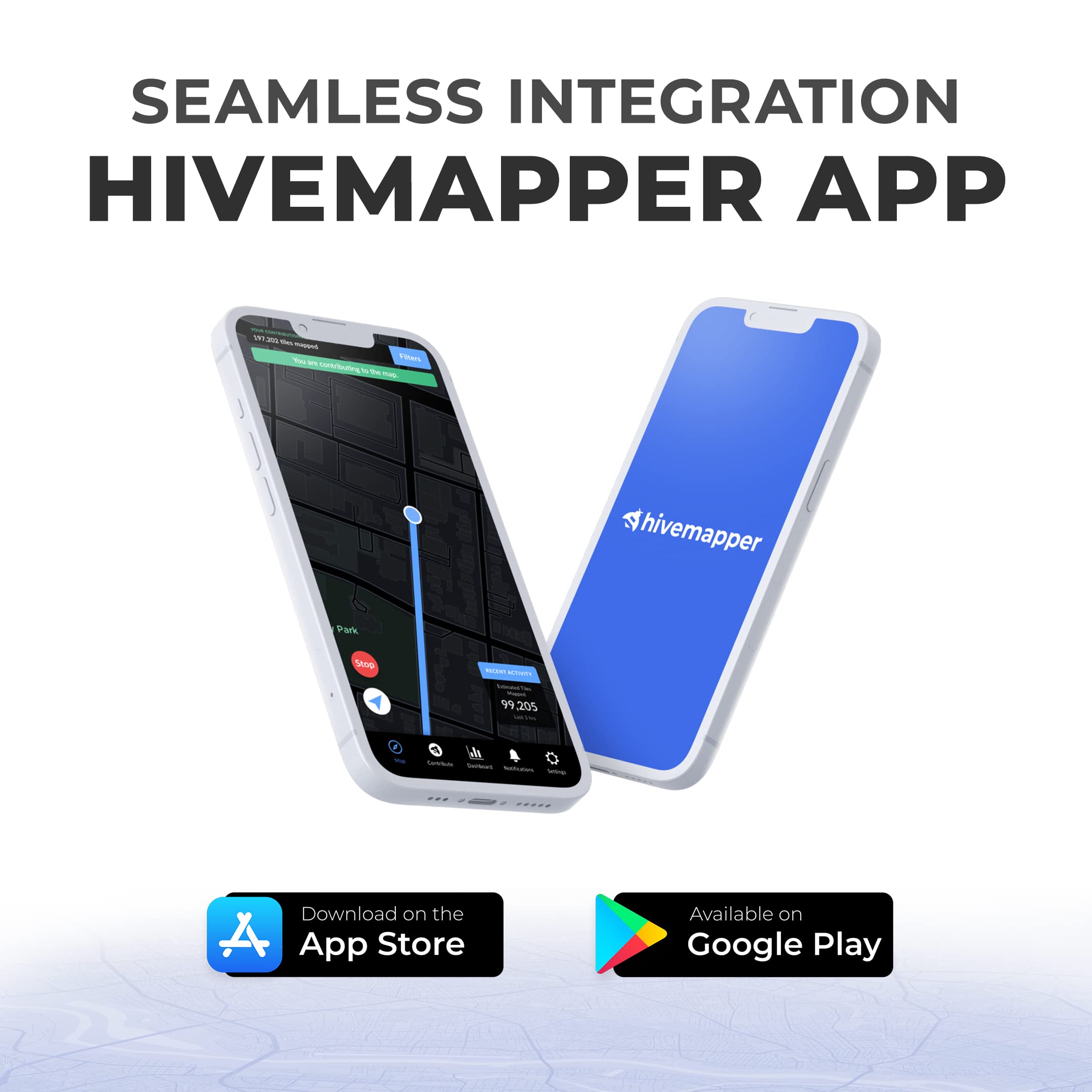
For those interested in actively participating in these networks, specific hardware is often required. The following products are commonly associated with joining Helium and Hivemapper networks, allowing users to contribute to the infrastructure and earn rewards.


As an Amazon Associate, we may earn from qualifying purchases.
Why Solana dominates DePIN infrastructure
Solana has emerged as the settlement layer of choice for decentralized physical infrastructure networks, a position driven by structural advantages rather than fleeting hype. For protocols managing high-frequency IoT data, the network offers a combination of speed and cost efficiency that few other Layer 1s can match. While many blockchains struggle with congestion during peak usage, Solana’s architecture allows for consistent throughput, ensuring that device telemetry and micro-transactions settle quickly without clogging the network.
The economic case is equally compelling. DePIN projects often involve thousands of small, frequent transactions from edge devices—such as bandwidth sharing or sensor data reporting. On Solana, these micro-transactions cost fractions of a cent, making the business model viable. In contrast, higher fees on other chains can erase the thin margins inherent in hardware-based infrastructure projects. This low-cost environment enables protocols to scale their hardware networks without passing excessive costs to users or providers.
Beyond raw performance, the ecosystem tooling supports rapid iteration. Developers can build on established infrastructure that already understands the unique demands of physical infrastructure, from proof-of-coverage mechanisms to device identity management. As noted by io.net, a leading GPU network, Solana’s structural fit for DePIN allows projects to focus on hardware innovation rather than blockchain engineering hurdles. This alignment accelerates deployment and reduces the technical debt that often stalls early-stage crypto infrastructure projects.
The result is a network that handles the volume and velocity of real-world data streams with minimal friction. For projects like Helium, Hivemapper, and Render, this infrastructure backbone is critical. They rely on Solana’s ability to process massive amounts of data from distributed devices while maintaining security and decentralization. As DePIN moves from pilot phases to mainstream adoption in 2026, Solana’s technical foundation provides the necessary scale for these networks to grow sustainably.
AI agents and on-chain data trends
The surge in artificial intelligence is creating a bottleneck in physical infrastructure, specifically around GPU compute power and high-quality data collection. Decentralized Physical Infrastructure Networks (DePIN) on Solana are stepping in to fill this gap. By tokenizing real-world resources, these networks allow AI agents to access distributed computing power and verified data streams without relying on centralized cloud monopolies.
Solana’s high throughput and low transaction costs make it the ideal settlement layer for these micro-transactions. AI agents can now pay for small batches of data or fleeting moments of GPU time with near-zero friction. This efficiency is critical for autonomous agents that need to operate continuously and cost-effectively. The network’s speed ensures that the settlement of these complex, data-heavy interactions does not become a bottleneck itself.
Projects like Render Network and Helium are leading this charge. Render provides decentralized GPU rendering, which is directly applicable to AI model training and inference. Helium, particularly its mobile and IoT expansions, offers a decentralized physical layer for data connectivity. These platforms are not just storing data; they are actively enabling the physical infrastructure that AI requires to function at scale.
The synergy between AI and DePIN is reshaping how we think about digital infrastructure. Instead of building massive, energy-intensive data centers, the market is moving toward a distributed model where resources are pooled and accessed on-demand. This shift not only reduces costs but also increases the resilience and decentralization of the AI stack itself.
Frequently asked questions about Solana DePIN
How does Solana’s fee structure benefit DePIN projects?
DePIN projects rely on high-frequency, low-value transactions from edge devices like sensors and dashcams. Solana’s transaction fees are typically fractions of a cent, which prevents operational costs from eating into the revenue generated by resource sharing. This cost efficiency is essential for the economic viability of hardware-backed networks.
What is the difference between Helium Mobile and Helium IoT?
Helium IoT focuses on long-range, low-power connectivity for sensors and devices using LoRaWAN technology. Helium Mobile, on the other hand, provides cellular coverage using a decentralized network of hotspots and partnerships with major carriers. Both operate on the Solana blockchain but serve different connectivity needs.
How do AI agents interact with DePIN networks on Solana?
AI agents can autonomously request and pay for resources like GPU compute time from Render Network or data access from Grass. Solana’s speed allows these micro-transactions to settle instantly, enabling agents to operate in real-time without manual intervention or high transaction costs.
Why is Peaq considered different from other DePIN projects?
While Helium, Hivemapper, and Render are specific infrastructure networks, Peaq is a modular blockchain platform built specifically for the DePIN sector. It provides the underlying infrastructure and tools that allow other developers to launch their own DePIN projects, acting as an enabler rather than a direct consumer-facing network.
No comments yet. Be the first to share your thoughts!