
What are Solana AI agents?
Solana AI agents are autonomous programs that interact with the blockchain using natural language processing and machine learning. They act as independent operators, capable of executing complex workflows without constant human oversight. This capability transforms the blockchain from a passive ledger into an active infrastructure layer where code and intelligence converge.
These agents rely on Solana’s high throughput and low transaction costs to function effectively. Running machine learning models or processing natural language queries requires significant computational resources. Solana’s architecture supports this demand, allowing agents to transact instantly and source data at scale. This efficiency makes decentralized AI viable, moving beyond theoretical concepts to practical applications.
The ecosystem is built on the principle of open intelligence. By enabling decentralized ownership and efficient resource allocation, Solana provides a foundation where AI value transfer is seamless. Developers can build agents that find compute, execute trades, or manage data autonomously. This infrastructure supports a new class of digital entities that operate with speed and precision.
For developers, getting started involves leveraging Solana’s developer tools to integrate AI capabilities into smart contracts. The platform offers guides and resources to help build these autonomous systems. As the ecosystem matures, the distinction between traditional blockchain applications and AI-driven agents will continue to blur, creating a more dynamic and responsive digital economy.
Infrastructure Tools
Building reliable Solana AI agents requires more than just a language model; it demands specialized infrastructure that bridges high-frequency blockchain activity with autonomous decision-making. The current ecosystem relies on two primary pillars: open-source development kits for execution and security protocols for risk management.
Solana Agent Kit
The Solana Agent Kit serves as the foundational layer for developers looking to deploy autonomous agents. This open-source toolkit connects AI models directly to Solana protocols, allowing agents to perform over 60 distinct actions without manual intervention. By abstracting the complex RPC calls and transaction signing processes, it enables any agent, regardless of the underlying model, to interact with DeFi, NFTs, and token swaps autonomously.

Developers initialize the kit to establish a secure connection between the AI model and Solana’s blockchain infrastructure.
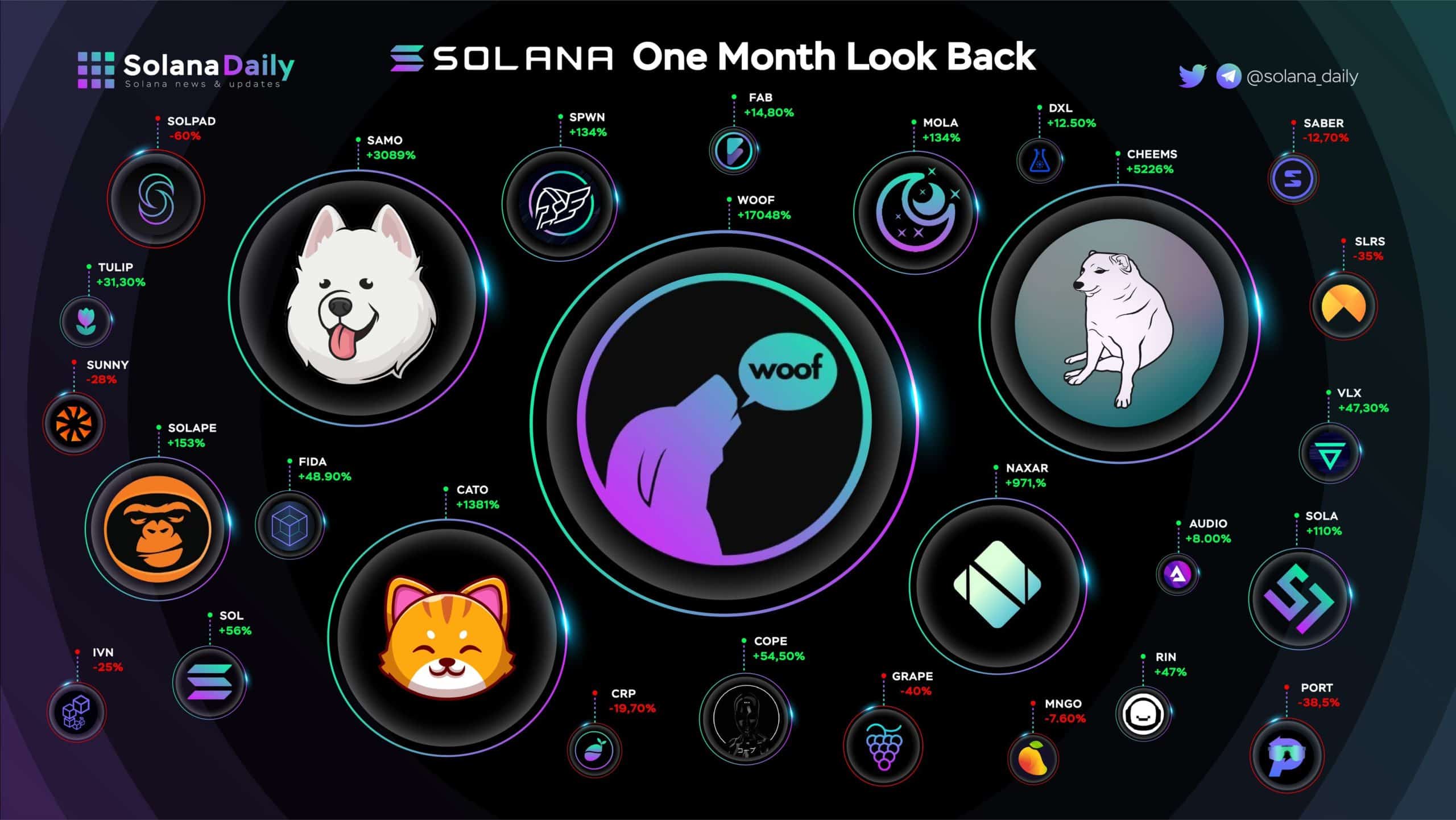
The agent is configured with a specific set of permissions, such as swapping tokens or minting assets, limiting its operational boundary.
Once deployed, the agent monitors on-chain data and executes pre-defined actions based on real-time market conditions or user prompts.
For developers seeking to understand the exact implementation details, the Solana Agent Kit repository provides comprehensive documentation and code examples.
Security and Wallet Management
Autonomy introduces significant risk, particularly when agents control private keys. Traditional hot wallets are vulnerable to key exposure, making dedicated security protocols essential. Helius, a leading Solana infrastructure provider, has integrated policy-controlled wallet solutions like Turnkey to address this. These protocols allow agents to access their own wallets while enforcing strict transaction limits and approval workflows, ensuring that an agent cannot drain funds due to a model hallucination or prompt injection.
This security layer is critical for any agent handling substantial value. By separating the agent’s reasoning engine from its financial permissions, developers can create systems that are both intelligent and financially safe.
Market Context
The growth of these tools coincides with Solana’s increasing dominance in high-throughput applications. While the infrastructure enables new use cases, the underlying asset’s volatility remains a factor for any agent-based trading strategy.
Market performance and trends
Solana AI agents have moved from experimental code to a measurable economic force. The ecosystem now supports thousands of decentralized agents that execute trades, manage data, and interact with smart contracts autonomously. This shift is visible in transaction volumes and trading activity, signaling genuine adoption rather than speculative hype.
On-chain data from Geckoterminal shows Solana AI agent tokens processed over 94,000 transactions in a single 24-hour period, with trading volumes reaching $8.66 million. These numbers reflect active usage across the network, where agents operate as independent economic actors. The high frequency of transactions underscores the utility-driven nature of this segment, distinguishing it from purely narrative-driven memecoins.
The correlation between Solana’s overall market performance and AI agent activity is strong. As SOL price action strengthens, liquidity flows into AI-related tokens, driving volume and engagement. This dynamic creates a feedback loop: better network performance attracts more developers, who build more agents, which in turn drives more transactional demand.
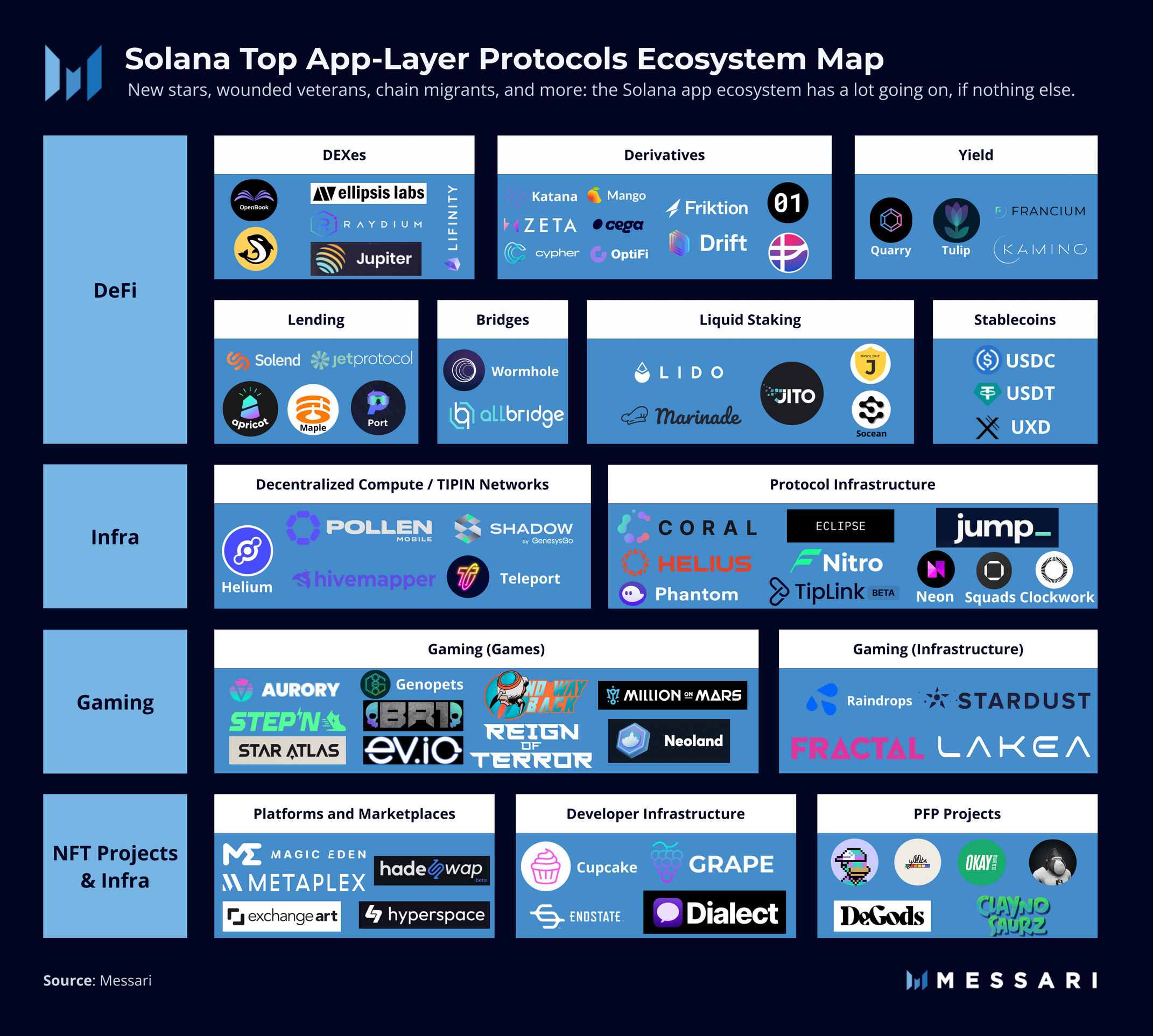
To understand this relationship, it helps to look at SOL’s price movement alongside AI narrative spikes. When AI-related announcements or protocol upgrades occur, trading volume in AI agent tokens often surges in tandem with SOL’s broader market momentum.
This synchronized movement highlights how Solana AI agents are no longer isolated experiments. They are integrated into the broader financial infrastructure of the network, responding to market conditions and contributing to its overall liquidity and activity.
RWA and DePIN integration
Solana AI agents are moving beyond speculative trading to manage tangible assets and physical infrastructure. By automating the verification and settlement of Real-World Assets (RWA) and Decentralized Physical Infrastructure Networks (DePIN), these agents expand Solana’s utility into real-world economic value. This shift transforms Solana from a high-speed ledger into an operational backbone for physical industries.
Tokenized real-world assets
AI agents streamline the complex lifecycle of RWA tokenization. They handle compliance checks, verify asset ownership, and execute automated payouts for dividends or interest. This reduces the friction typically associated with traditional finance, allowing fractional ownership of real estate or commodities to settle instantly on-chain.
Physical infrastructure networks
In DePIN, AI agents coordinate the reward distribution and maintenance of physical hardware. Whether it is wireless network providers or decentralized storage operators, agents monitor node performance and automatically distribute tokens based on verified service delivery. This creates a self-sustaining economic model for physical infrastructure without centralized oversight.
Solana’s comparative advantage
The following comparison highlights how Solana’s architecture supports these distinct use cases through speed and low cost.
| Feature | RWA Agents | DePIN Agents | Solana Benefit |
|---|---|---|---|
| Settlement Speed | Instant | Near-instant | Sub-second finality |
| Cost per Transaction | Fractions of a cent | Fractions of a cent | Micro-payment viability |
| Data Verification | On-chain oracle checks | Sensor-to-chain proofs | High throughput for IoT |
| Primary Use Case | Asset tokenization | Hardware coordination | Real-world utility |
This integration allows Solana AI agents to act as the operational layer for both financial and physical assets. As the ecosystem matures, the distinction between digital tokens and real-world value continues to blur, driven by efficient, automated agent interactions.
Building secure agents
Securing Solana AI agents requires a strict separation between the intelligence layer and the financial layer. Because AI models can hallucinate or be manipulated by prompt injection, you must never grant an agent full control over your primary treasury. Instead, treat the agent’s wallet as a disposable, isolated environment with strict policy controls.
Create a dedicated wallet for each agent. This wallet should hold only the funds necessary for its immediate tasks. If the agent is compromised, the damage is contained to that specific balance, leaving your main holdings untouched.
Use tools like Turnkey or Helius to set transaction policies. Define maximum daily limits, approved destination addresses, and required multi-signature approvals. These policies act as a hard stop against unauthorized transfers, even if the AI decides to send funds to an attacker.
Restrict the agent’s access to only the specific smart contracts it needs. Avoid giving it permission to interact with unknown or unverified dApps. This reduces the attack surface for smart contract exploits and phishing attempts.
For a detailed technical guide on implementing these policy controls, refer to Helius’ security documentation. This resource outlines the specific API calls needed to lock down agent permissions effectively.
Frequently asked: what to check next
How do Solana AI agents differ from traditional bots?
Traditional bots often operate in silos, whereas Solana AI agents leverage the blockchain's high throughput and low fees to interact with on-chain data and liquidity pools in real time. This allows for more complex, autonomous decision-making processes that can execute trades across multiple protocols simultaneously.
Are Solana AI agents safe to use?
As with any automated trading tool, risks exist. Always verify the agent's smart contract audits, start with small capital allocations, and ensure the agent has transparent logging. The decentralized nature of Solana means you retain custody of your funds, but you are responsible for configuring the agent's parameters correctly.

No comments yet. Be the first to share your thoughts!