
Why Solana fits autonomous agents
Solana provides the infrastructure backbone required for autonomous AI agents to operate effectively at scale. The network’s high throughput and low latency are not just performance metrics; they are prerequisites for systems that must execute thousands of micro-transactions and state changes per second without incurring prohibitive costs.
For an AI agent, speed is synonymous with opportunity. Whether an agent is arbitraging yield across decentralized finance protocols or coordinating distributed GPU rendering tasks, the ability to finalize transactions in under a second allows for real-time decision-making. This contrasts sharply with networks where transaction finality takes minutes, rendering high-frequency autonomous strategies unviable.
The cost structure further enables this autonomy. Solana’s near-zero transaction fees allow agents to interact with on-chain services—such as purchasing data, executing trades, or verifying compute results—without eroding their operational margins. This economic efficiency turns what would be a loss-making activity on other chains into a sustainable business model.
This combination of speed and affordability has already facilitated millions of agent-initiated transactions, demonstrating that the technical foundation is ready for the next wave of open intelligence. Solana’s architecture ensures that as agent complexity grows, the network can handle the increased load without compromising security or decentralization.
Core infrastructure for agent development
Building autonomous agents on Solana requires a stack that handles three distinct layers: model interaction, protocol execution, and key management. The ecosystem has standardized on specific tools that allow developers to bridge large language models with on-chain state without introducing single points of failure.
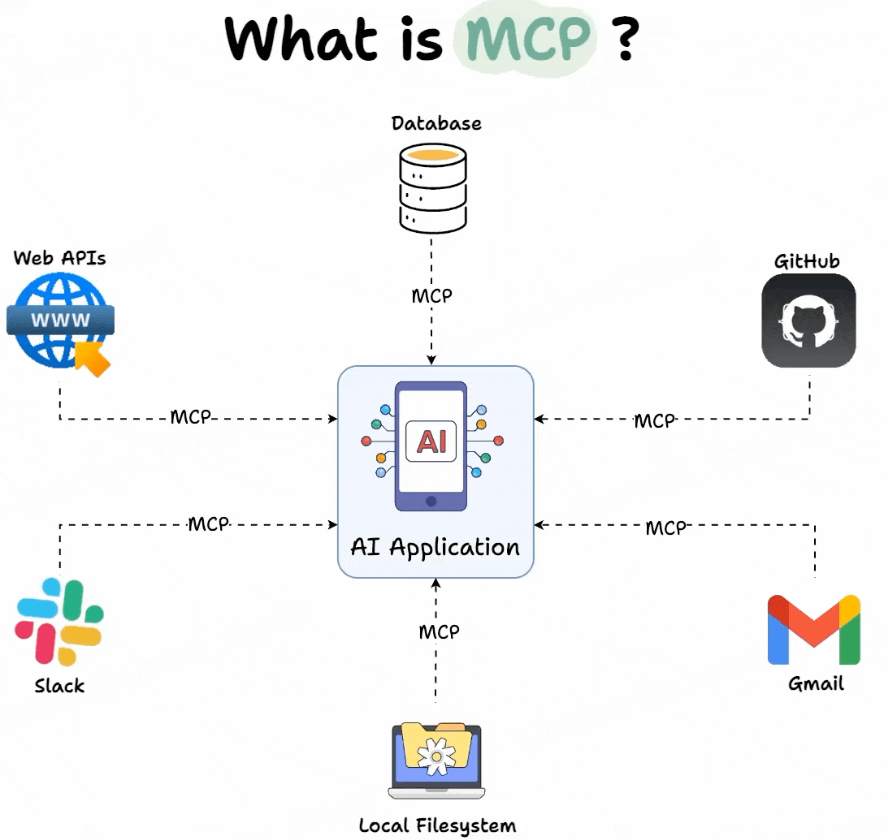
The Model Context Protocol (MCP) acts as the universal translator between AI models and Solana data. Instead of hardcoding RPC calls, developers wrap Solana endpoints in an MCP server. This allows the agent to query account balances, transaction history, or token metadata using standardized tool definitions. It reduces the friction of integrating new models, as the agent only needs to understand the MCP schema to interact with the blockchain.
For agents that need to execute financial actions, the Breeze Agent Kit provides a structured framework for yield farming and liquidity management. It exposes four integration paths, including MCP servers and x402 protocol compliance, allowing agents to autonomously manage positions across the Breeze protocol. This kit abstracts the complexity of smart contract interactions, enabling agents to rebalance portfolios or harvest yields based on predefined logic.
An agent’s ability to sign transactions is its most critical vulnerability. Turnkey provides a policy-controlled key management system that allows agents to access their own Solana wallets without exposing private keys to the host environment. By using policy-based access control, developers can define strict rules for what transactions an agent can sign, ensuring that autonomous actions remain within safe boundaries.
This infrastructure stack ensures that Solana AI agents are not just experimental prototypes but production-ready systems. By separating model context, execution logic, and security, developers can build agents that are both powerful and reliable.
DePIN integration patterns in 2026
Decentralized Physical Infrastructure Networks (DePIN) provide the compute and data layers that AI agents require to operate autonomously. In 2026, the integration between AI agents and DePIN protocols on Solana has shifted from theoretical experiments to measurable, high-frequency economic loops. Agents no longer just consume data; they actively procure resources, verify output, and settle payments in milliseconds.
This integration creates a symbiotic relationship. DePIN networks gain consistent, automated demand for their idle hardware, while AI agents gain access to scalable, censorship-resistant infrastructure. The key to this system is the agent's ability to act as a rational economic actor, selecting the most efficient node based on real-time performance metrics.
GPU Rendering and Compute Procurement
AI agents routinely source GPU power for model inference and training tasks. Protocols like Helium Mobile and Render Network allow agents to query available compute resources, negotiate prices via smart contracts, and execute jobs without human intervention. This reduces latency and cost compared to centralized cloud providers.
Agents verify the integrity of the rendered output using cryptographic proofs. If a node fails to deliver the correct hash, the agent automatically reroutes the task to another provider, ensuring high availability and fault tolerance. This automated verification is critical for maintaining the reliability of AI-driven applications.
Data Sourcing and Oracle Integration
DePINs also serve as trusted data sources for AI agents. Physical sensors in DePIN networks generate real-world data—such as weather conditions, traffic patterns, or energy usage—which agents use to inform decisions. By integrating with oracles like Pyth or Switchboard, agents can access this data on-chain with minimal latency.
This data feeds into agent strategies, enabling them to execute trades, adjust yield positions, or manage resources based on live physical world events. The transparency of the DePIN network ensures that the data sources are verifiable, reducing the risk of manipulation or stale information.
Comparison of DePIN Integration Patterns
The following table compares the primary DePIN integration patterns used by AI agents on Solana in 2026.
| Pattern | Resource | Verification | Agent Use Case |
|---|---|---|---|
| Compute Procurement | GPU/CPU | Cryptographic Proof | Model Inference |
| Data Sourcing | Sensor Data | Oracle Signature | Yield Farming |
| Storage | File Storage | Merkle Root | Model Weight Backup |
| Bandwidth | Network Traffic | Node Staking | Real-time Trading |
Security and Scalability Considerations
Security remains the primary concern in agent-DePIN interactions. Agents must be designed to handle node failures and malicious actors. Implementing multi-signature wallets and time-locked transactions prevents unauthorized fund transfers during unexpected network conditions.
Scalability is inherent to Solana’s architecture, allowing agents to execute thousands of micro-transactions per second. This enables fine-grained resource allocation, where agents can rent small fractions of GPU time or data streams, optimizing costs and maximizing utility for both the agent and the DePIN provider.
Security models for autonomous wallets
Autonomous agents require wallet access to execute transactions, but storing private keys in plaintext or standard environment variables creates a single point of failure. If an agent is compromised, the attacker gains immediate, irreversible control over the funds. The solution lies in shifting from key possession to policy-controlled access, ensuring agents operate within strict, programmable boundaries.
Policy-Controlled Access via MPC
Modern Solana agent architectures, such as those built on Turnkey, utilize Multi-Party Computation (MPC) to split private keys into shards distributed across secure enclaves. The agent never holds a complete private key. Instead, it requests signatures by submitting transaction payloads to a policy engine.
This engine evaluates the request against predefined rules before authorizing the signature. For example, a yield farming agent might be restricted to interacting only with specific Raydium or Orca pools, with a maximum daily outflow limit of 10 SOL. Any transaction violating these parameters is rejected at the cryptographic level, preventing even a compromised agent model from draining the wallet.
API-Only User Accounts
To further reduce risk, agents should operate under API-only user accounts rather than full administrative permissions. These accounts are designed for programmatic interaction, lacking the ability to modify security settings, withdraw funds to external wallets, or change policy rules. This separation of duties ensures that even if the agent’s code is hijacked, the attacker cannot alter the security perimeter or exfiltrate the remaining assets.
Practical Application
Consider a GPU rendering agent that needs to pay for compute resources on Render Network. The agent constructs a transaction to transfer SOL to the provider’s address. The policy engine verifies that the destination is a whitelisted Render contract and that the amount does not exceed the daily budget. Once approved, the MPC shards sign the transaction, and the agent broadcasts it. The agent never sees the key, and the transaction is cryptographically bound to the approved policy.
Building your first agent checklist
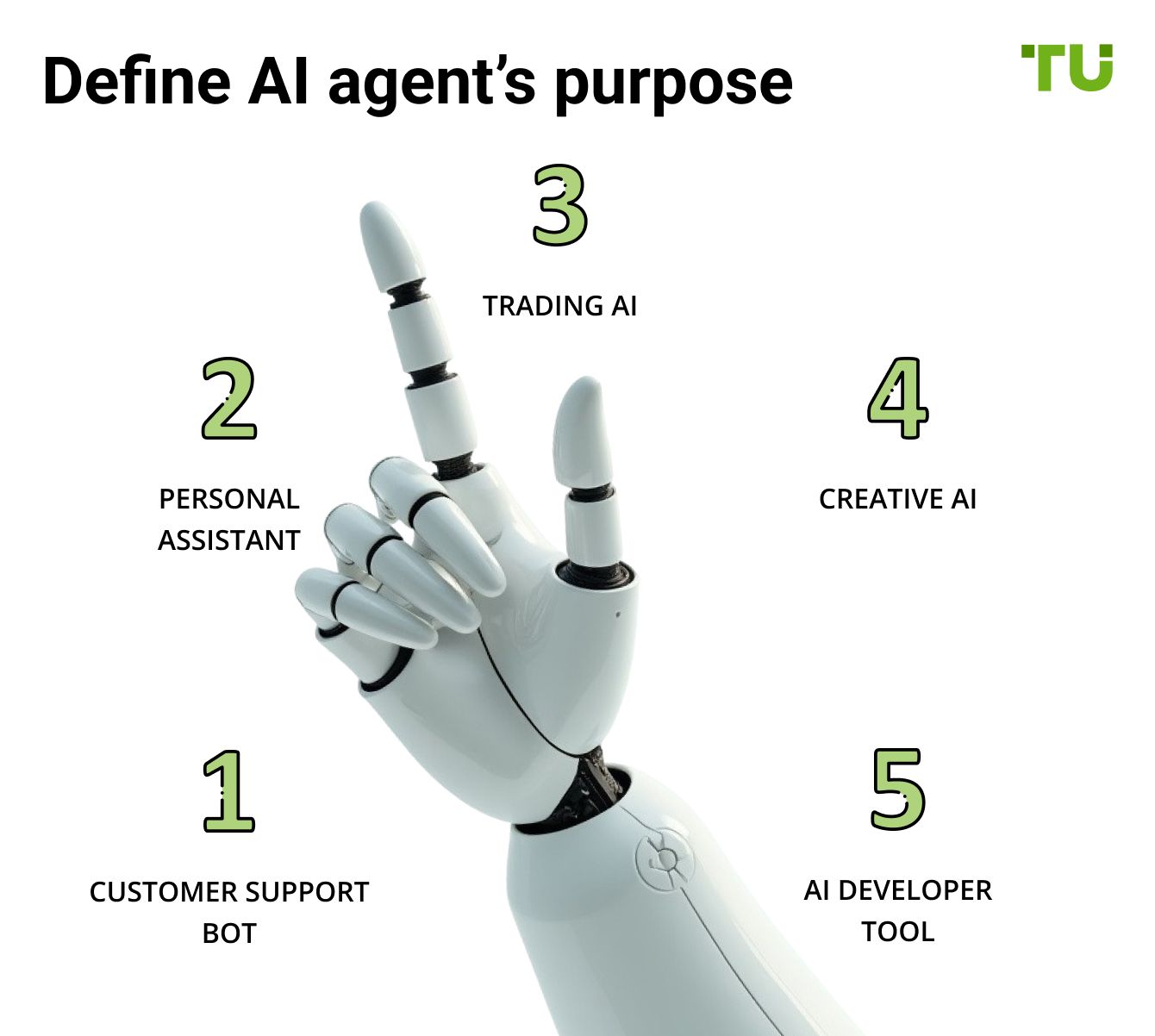
Before writing code, define the agent’s scope. A Solana AI agent is an autonomous program that uses natural language processing to interact with the blockchain, but it requires strict boundaries to operate safely. Start by selecting a specific use case, such as automated yield farming or GPU rendering coordination, rather than attempting a general-purpose assistant.
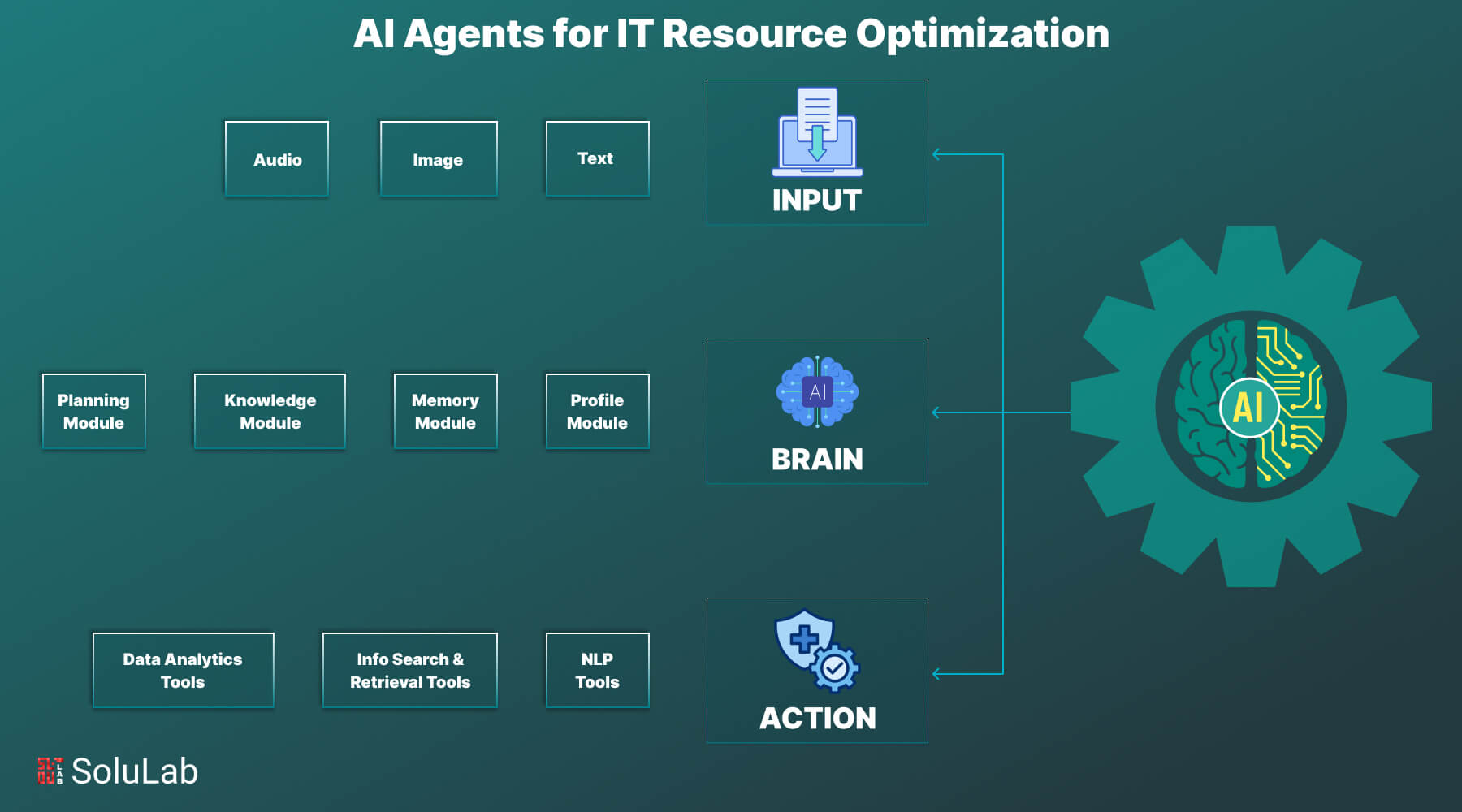
Install the Solana CLI and initialize a Rust or TypeScript project. Connect to a reliable RPC provider like Helius or QuickNode to handle transaction throughput and node reliability.
Choose a large language model (LLM) capable of parsing blockchain data. Use a framework like LangChain or a specialized Solana agent SDK to bridge the model’s output with Solana transaction structures.
Never hardcode private keys. Use a policy-controlled key management system like Turnkey or a multi-signature wallet structure. Ensure the agent can sign transactions only within pre-defined limits to prevent unauthorized transfers.
Deploy the agent to a test environment. Run automated tests to verify that the AI correctly interprets market data and executes transactions without draining funds or violating security policies.

Security is not an afterthought; it is the foundation. An unsecured agent is a liability, not a product. Always implement circuit breakers that halt operations if transaction patterns deviate from expected norms. This checklist ensures your agent is functional, secure, and ready for mainnet deployment.
Common questions about Solana AI agents
How do Solana AI agents handle transactions?
Solana AI agents initiate transactions directly on-chain, executing complex operations like yield farming or GPU rendering without human intervention. The network currently processes approximately 15 million agent-initiated transactions, demonstrating that the infrastructure supports high-frequency, low-latency autonomous actions. This capability allows agents to manage portfolios or render frames in real-time, leveraging Solana’s throughput to maintain operational efficiency.
Is the Solana AI agent economy mature?
According to Messari’s Q1 2026 report, the Solana AI agent economy has transitioned from experimental phases to measurable output. Several developments during the quarter confirmed that agents are generating consistent, verifiable value rather than serving as isolated proofs of concept. This shift indicates that the underlying protocol is robust enough to support sustained, production-grade autonomous economic activity.
What are the primary security considerations?
Security in this ecosystem hinges on the integrity of the agent’s smart contract interactions and the reliability of its data oracles. Since agents execute autonomously, any vulnerability in the contract logic can lead to immediate, irreversible loss of funds. Developers must prioritize rigorous auditing of agent logic and ensure that off-chain data feeds used for decision-making are tamper-proof to maintain system integrity.

No comments yet. Be the first to share your thoughts!