
Solana’s DePIN (Decentralized Physical Infrastructure Network) ecosystem is setting new records, both in revenue and real-world adoption. In August 2025, Solana-based DePIN projects collectively generated $1,600,000 in revenue - a historic all-time high that’s turning heads across Web3. This milestone isn’t just a number; it’s a sign that decentralized infrastructure is maturing fast, with Solana at the center of the action.
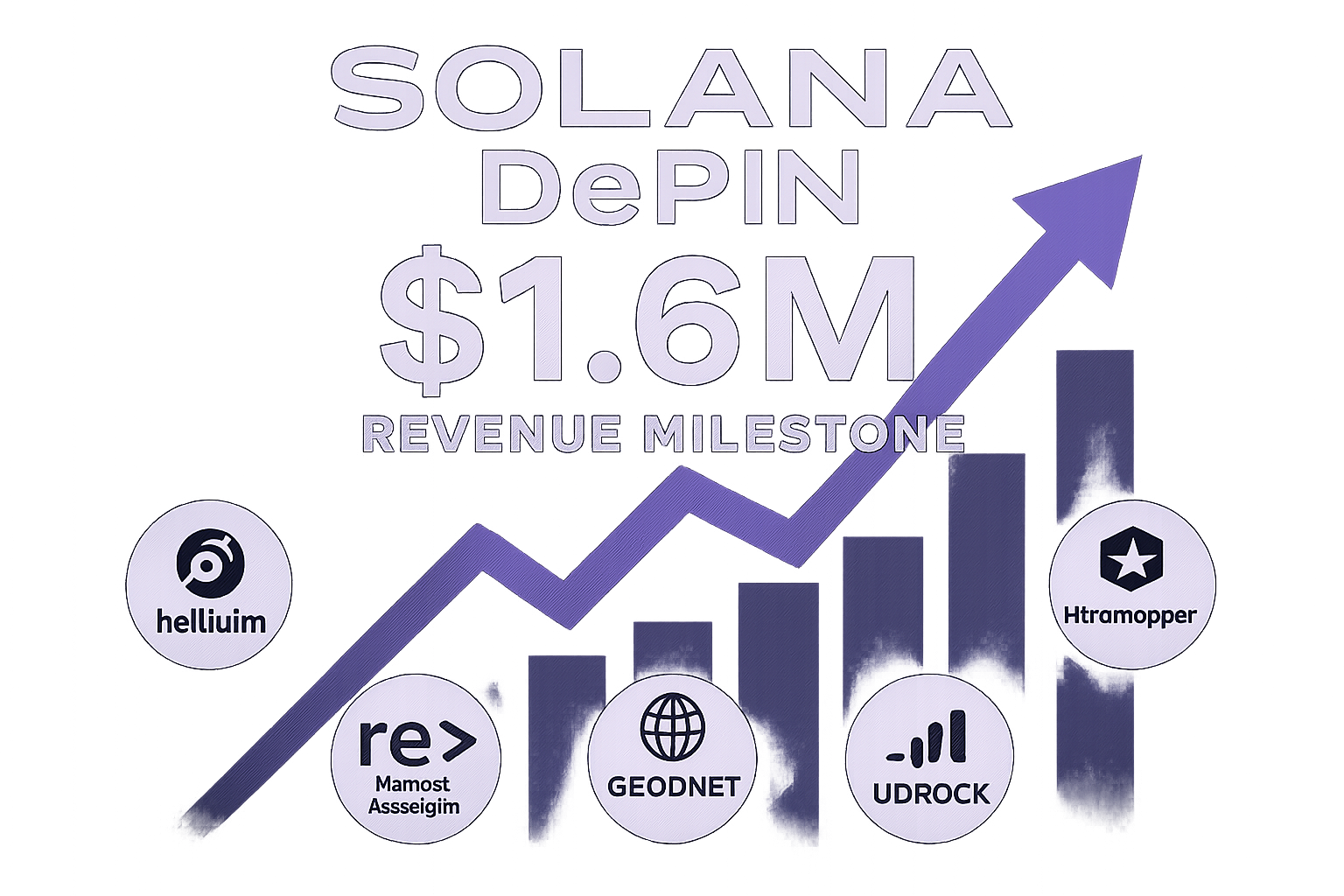
But what’s driving this surge? Let’s break down the top five projects powering Solana’s DePIN revolution: Helium Network, Hivemapper, Render Network, GEODNET, and UpRock. Each is pioneering a unique approach to decentralized infrastructure - from wireless connectivity to mapping and GPU rendering - and each has recently notched up impressive revenue achievements.
Solana DePIN Revenue Hits All-Time High: $1.6 Million in August 2025
The numbers are clear: Solana DePIN projects are no longer experimental side hustles. According to data from SolanaFloor and ChainCatcher, these networks brought in $1.6 million in August 2025 alone - smashing their previous records. This surge has been fueled by sustained growth across multiple sectors:
Top 5 Solana DePIN Projects Shaping Web3 Infrastructure
- Helium Network: Powering decentralized wireless for IoT and 5G, Helium boasts over 350,000 subscribers and hit nearly $400,000 in on-chain revenue by July 2025. Innovative offerings like free and kid-friendly mobile plans are fueling rapid user growth.
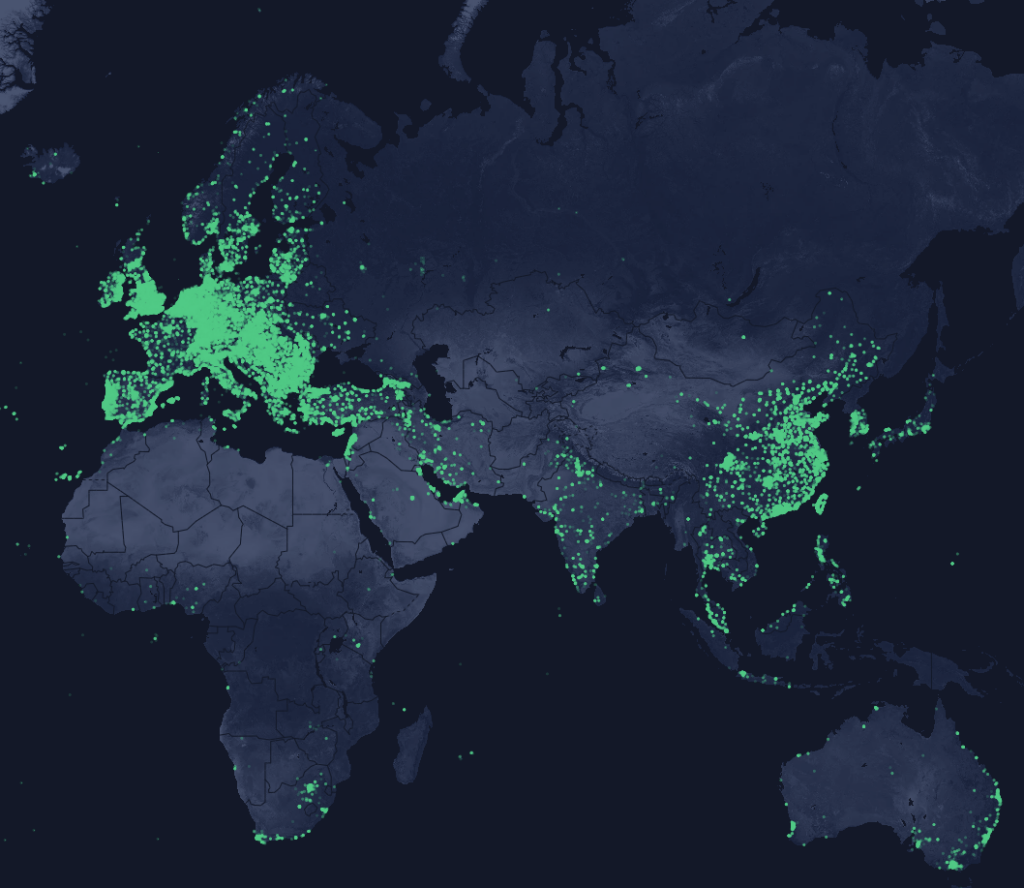
- Hivemapper: This decentralized mapping platform rewards users in HONEY tokens for capturing street-level imagery. In December 2024, Hivemapper distributed over $1.4 million in weekly rewards, and continues to incentivize contributors who drive global map coverage.
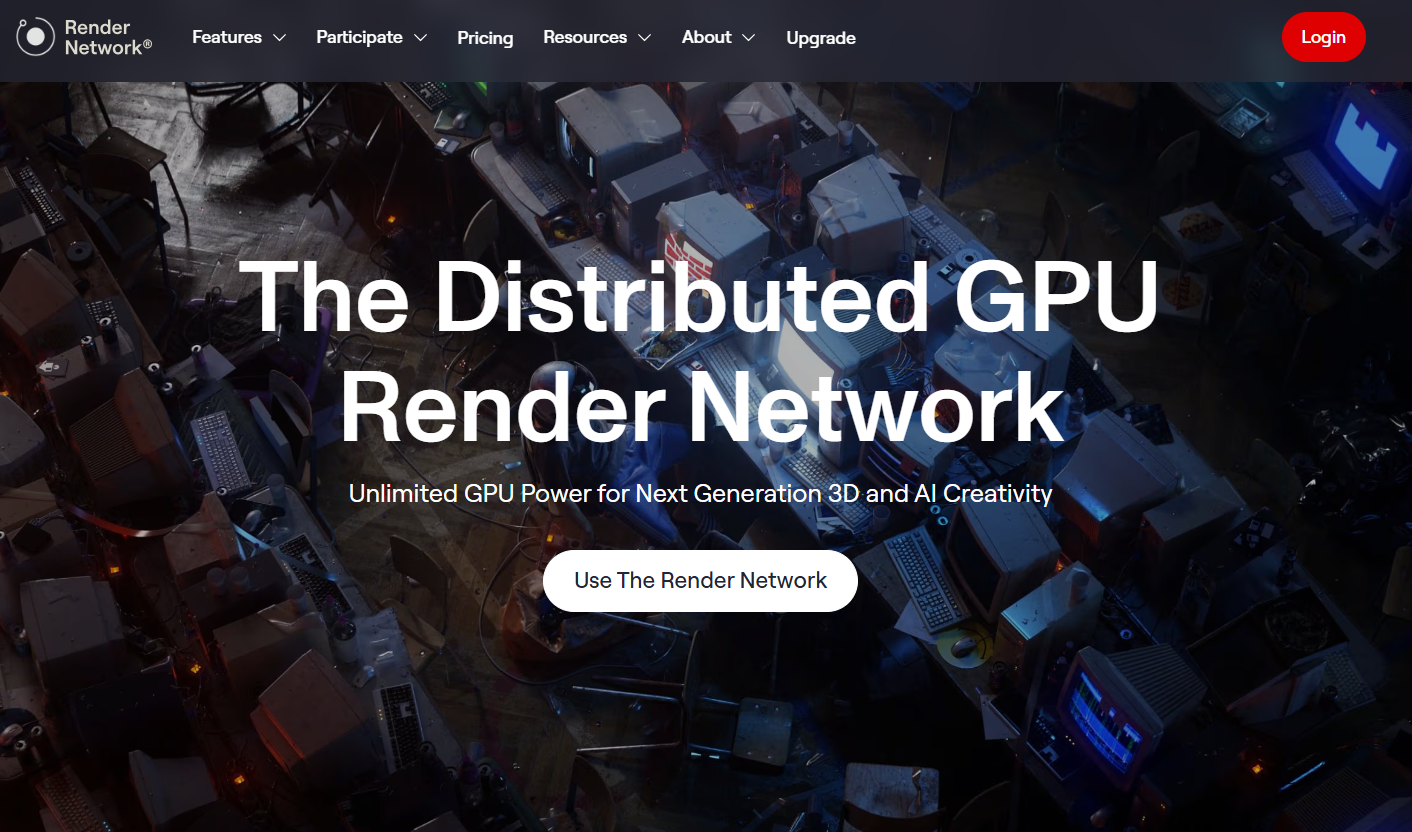
- Render Network (RNDR): As a leading decentralized GPU rendering service, Render reached a weekly revenue peak of nearly $300,000 in late 2024. The network supports thousands of active nodes and has burned over 121 million RENDER tokens for GPU access, highlighting surging demand for AI and creator workloads.
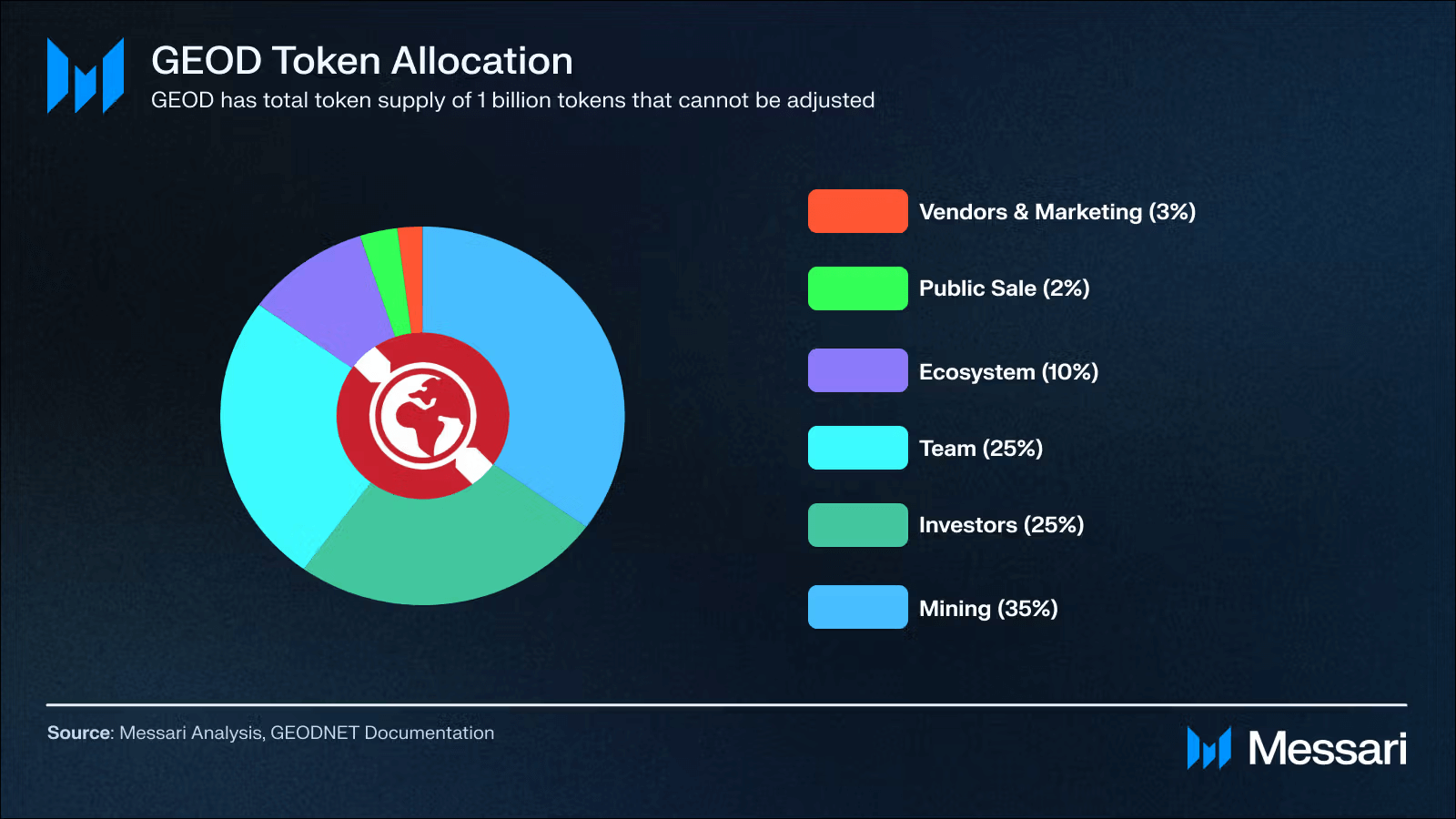
- GEODNET: GEODNET leverages a decentralized network of GNSS (Global Navigation Satellite System) stations to provide precise geospatial data. Node operators monetize real-time location data, supporting applications in mapping, agriculture, and autonomous vehicles.
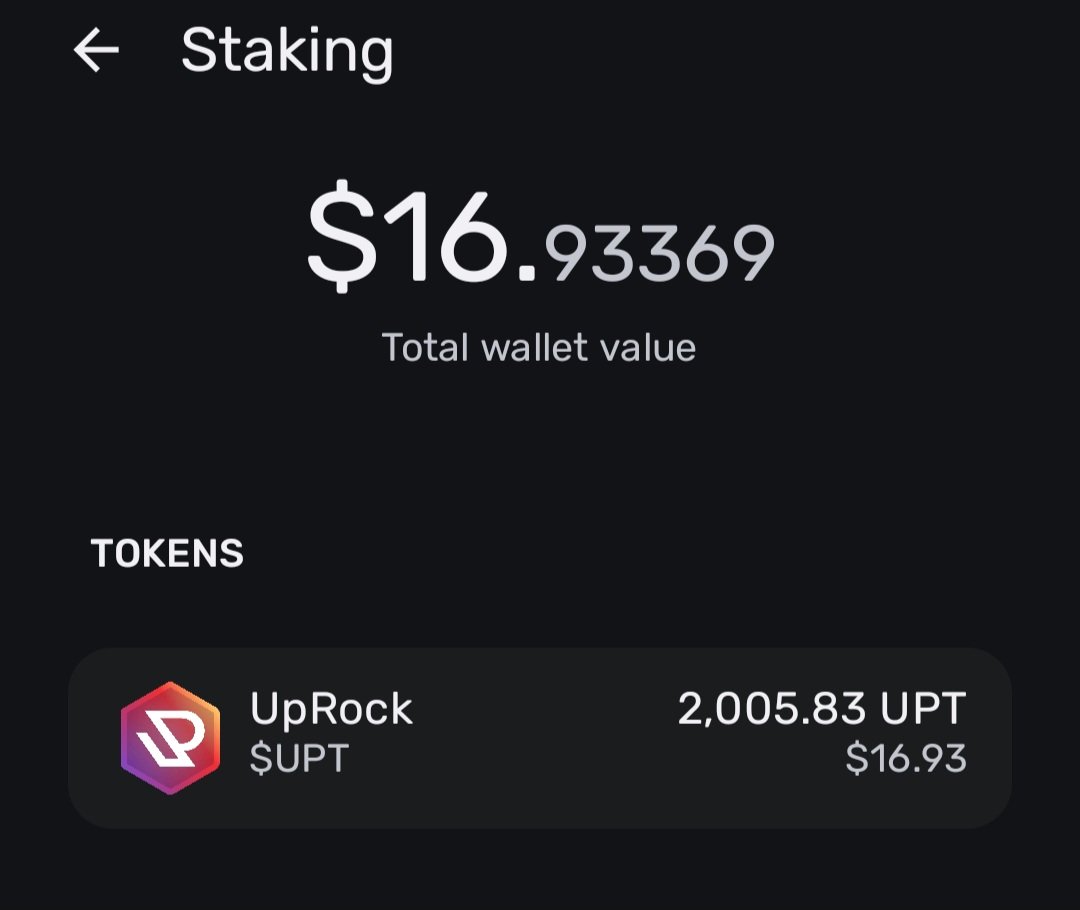
- UpRock: UpRock enables users to share excess bandwidth and earn rewards through a decentralized network. By tapping into unused internet capacity, UpRock supports distributed connectivity and empowers users to monetize their network resources.
This momentum is also reflected in year-over-year growth: as reported by SuperEx on Medium, Solana-based DePIN projects saw a 33% YoY increase in monthly revenue for 2025. The takeaway? We’re witnessing not just hype but real business models scaling up on-chain.
Helium Network: Wireless Coverage Meets Crypto-Scale Growth
Helium Network stands out as the poster child for decentralized wireless infrastructure. By July 2025, Helium Mobile’s on-chain revenue soared to nearly $400,000 for the month - marking five straight months of growth. The project boasts over 350,000 subscribers now (up 21% month-over-month), thanks to creative offerings like free phone plans and kid-friendly options with parental controls.
This isn’t just about crypto rewards; it’s about delivering tangible services at scale while keeping everything transparent and verifiable on Solana. For more insights into Helium’s latest metrics and strategies driving this subscriber boom, check out the detailed analysis at Syndica.
Hivemapper and Render Network: Mapping Streets and Powering AI With Decentralized Rewards
Hivemapper, another star of the Solana DePIN scene, has reimagined how mapping data is collected and monetized. At its December 2024 peak, Hivemapper distributed over $1.4 million in weekly rewards to contributors uploading street-level imagery worldwide. While rewards have since settled to above $60,000 per week by mid-2025 (see details at Gate.com), participation remains robust - with less than 10% of nodes earning about 80% of total rewards due to high-value map coverage contributions.
Render Network (RNDR), meanwhile, is making waves as a decentralized GPU rendering protocol tailored for AI workloads and digital creators. After migrating from Ethereum to Solana in early 2024 for faster transactions and lower fees (Gate.com), Render hit a revenue peak of nearly $300,000 per week between November-December 2024. By April 2025 there were 3,784 active nodes on-chain powering this network - burning over 121 million RENDER tokens for GPU access - with another demand spike pushing weekly revenues back up to $70,000 by mid-April.
What’s fascinating about both Hivemapper and Render is how they turn real-world activity into on-chain value. Hivemapper’s contributors are literally mapping the world, earning HONEY tokens for data that’s now in demand by navigation, logistics, and AI companies. Render Network, on the other hand, has become a backbone for decentralized compute, enabling artists and AI developers to tap into GPU power without relying on centralized cloud giants. This model not only democratizes access but also creates a sustainable revenue loop for node operators.
GEODNET and UpRock: Expanding the DePIN Frontier on Solana
GEODNET is quietly becoming a powerhouse in decentralized GNSS (Global Navigation Satellite System) data. By incentivizing users to deploy low-cost GNSS base stations, GEODNET crowdsources hyper-local satellite data that’s crucial for everything from autonomous vehicles to precision agriculture. The project’s revenue growth reflects rising enterprise adoption as industries seek more affordable alternatives to traditional geospatial networks, while contributors earn crypto rewards for powering this new infrastructure layer.
UpRock rounds out our top five with its innovative approach to bandwidth sharing on Solana. By allowing users to monetize unused internet bandwidth through a peer-to-peer network, UpRock provides an alternative to legacy ISPs while rewarding participants in real time. As demand for decentralized web access grows, especially in regions underserved by traditional providers, UpRock’s business model has proven both scalable and resilient.
Together, these projects highlight how DePIN is moving beyond speculation into real-world utility, and why Solana has become the preferred home for this new wave of infrastructure protocols. The combination of fast finality, low fees, and robust developer tooling gives Solana-based DePIN projects an edge when it comes to onboarding mainstream users and enterprise partners alike.
What’s Next for Solana DePIN? Sustaining Growth and Unlocking New Markets
The $1.6 million monthly revenue milestone isn’t just a flash in the pan, it signals that decentralized infrastructure is hitting its stride. But sustaining this momentum will mean tackling new challenges: scaling node participation, improving user experience, and deepening integrations with enterprise clients who need reliable, transparent infrastructure at global scale.
Expect Helium Network to double down on mobile coverage expansion as 5G adoption ramps up. Hivemapper will likely focus on increasing contributor diversity and map quality as it competes with legacy mapping giants. Render Network is poised for further growth as generative AI workloads explode in popularity, and GEODNET plus UpRock are well-positioned to capture niche but rapidly growing markets like precision agriculture and decentralized connectivity.
If you’re following the evolution of Web3 infrastructure or looking for where real-world value meets blockchain innovation, keep your eyes on these five projects, and watch how their success stories continue to shape the next phase of decentralized networks.





No comments yet. Be the first to share your thoughts!