
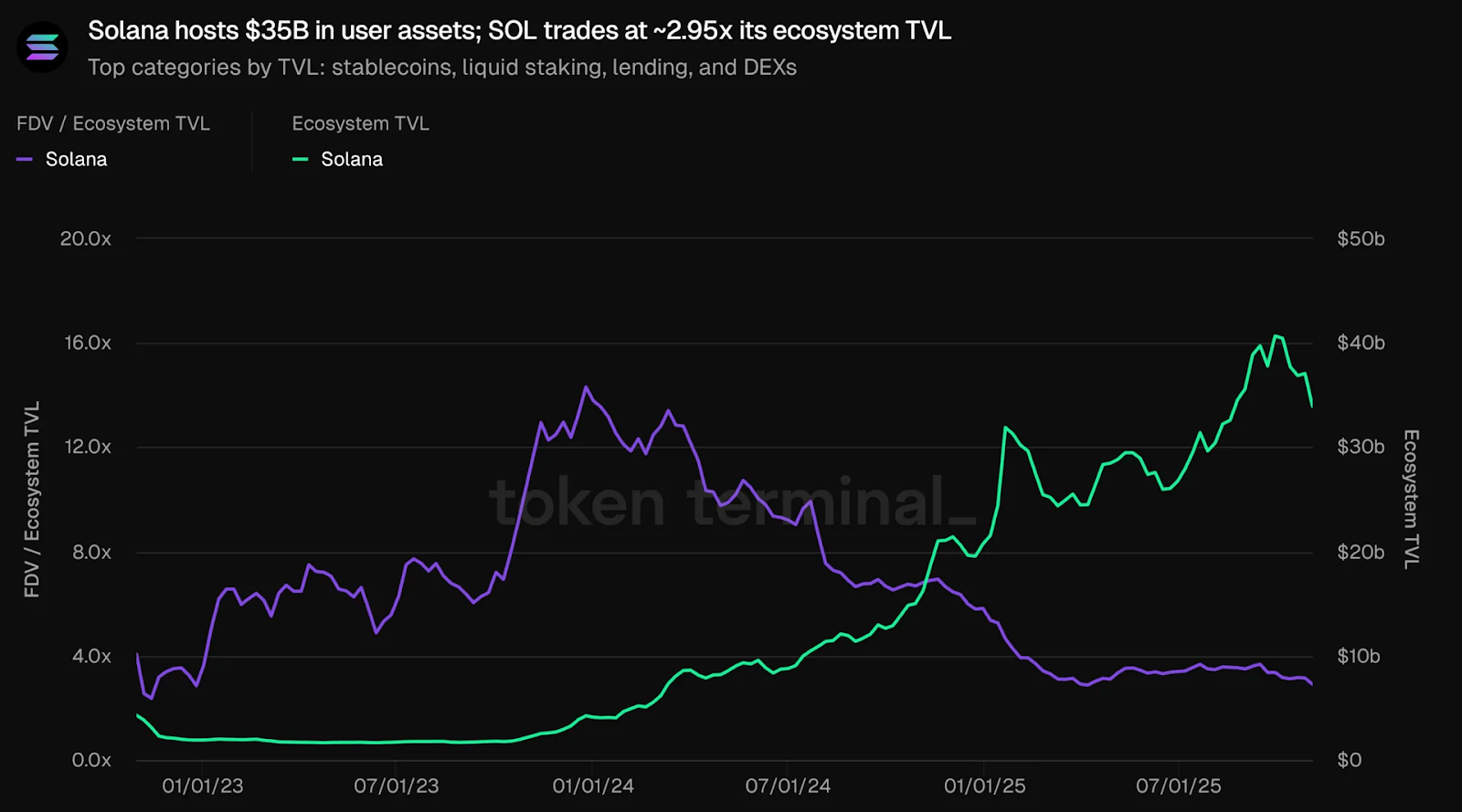
Solana ecosystem 2026 overview
Use this section to make the Solana Ecosystem decision easier to compare in real life, not just on paper. Start with the reader's actual constraint, then separate must-have requirements from details that are merely nice to have. A practical choice should survive normal use, maintenance, timing, and budget. If a recommendation only works in an ideal situation, call that out plainly and give the reader a fallback path.
The simplest way to use this section is to write down the must-have criteria first, then compare each option against those criteria before weighing nice-to-have features.
Leading DeFi protocols on Solana
The backbone of Solana’s financial layer relies on a handful of high-throughput protocols that handle the majority of trading and liquidity. These platforms leverage the network’s speed to offer low fees and rapid settlement, making them the go-to destinations for active traders and liquidity providers.
Jupiter (JUP) serves as the primary liquidity aggregator. Instead of routing trades through a single exchange, Jupiter scans multiple decentralized exchanges to find the best execution price. It acts as the central hub for Solana trading, processing billions in volume by optimizing swap routes for users. Its native token also governs the Jupiter DAO, allowing the community to vote on treasury usage and protocol upgrades.
Raydium (RAY) operates as the main automated market maker (AMM) and liquidity provider. It bridges traditional order book trading with automated market making, offering deep liquidity for new token launches. Raydium is often the first stop for projects seeking to list their tokens, providing the initial liquidity pools that other aggregators like Jupiter then route through.
Marinade Finance (MNDE) focuses on liquid staking, a critical infrastructure component. It allows SOL holders to stake their assets while retaining liquidity through mSOL tokens. This enables users to earn staking rewards while still using their assets in other DeFi activities, such as lending or trading, without waiting for unstaking periods to complete.
| Protocol | Primary Function | Key Token |
|---|---|---|
| Jupiter | Liquidity Aggregator | JUP |
| Raydium | Automated Market Maker | RAY |
| Marinade Finance | Liquid Staking | MNDE |
These protocols form a cohesive ecosystem where liquidity flows efficiently from staking to trading. Their integration ensures that Solana DeFi remains accessible and cost-effective, even during periods of high market volatility.
NFT Marketplaces and Digital Assets
Solana’s NFT sector has evolved beyond simple profile pictures into a robust infrastructure for digital ownership, blending high-speed trading with real-world utility. The ecosystem supports everything from generative art collections to tokenized physical assets, offering collectors and creators a low-friction environment. Platforms like Magic Eden dominate the primary market, while specialized marketplaces cater to specific niches like gaming and real estate.
Magic Eden
Magic Eden remains the leading multi-chain NFT marketplace on Solana, known for its deep liquidity and user-friendly interface. It supports a wide range of assets, from blue-chip PFPs to new drops, and has expanded significantly into Bitcoin and Ethereum markets. Its integration of cross-chain swaps allows users to trade assets seamlessly across different blockchains without leaving the platform. For collectors, this centralization of volume makes it the default destination for buying and selling Solana NFTs.
Tensor
Originally built for Solana’s most active NFT collection, Tensor has redefined how traders interact with digital assets through its advanced orderbook mechanics. Unlike traditional marketplace interfaces that rely on fixed listings, Tensor allows for bid-based trading, enabling faster execution and better price discovery for high-volume assets. This toolset is particularly favored by professional traders and flippers who need real-time data and rapid transaction capabilities. The platform’s focus on speed and efficiency has made it a critical tool for serious NFT investors.
Solanart
Solanart stands as one of the earliest and most established NFT marketplaces on the Solana blockchain, providing a stable platform for both emerging and established artists. It offers a curated experience that emphasizes quality and community, often hosting exclusive drops and collaborations with notable creators. The platform’s interface is designed to be accessible to newcomers while still offering robust features for experienced users. Its longevity in the ecosystem serves as a testament to the enduring demand for reliable, community-driven NFT marketplaces.
Infrastructure and Staking Solutions
Reliability on Solana 2026 depends on two layers: the node infrastructure that processes transactions and the liquid staking protocols that unlock yield. While the network handles high throughput, institutions and everyday users rely on these underlying services to maintain security and earn returns on their SOL holdings.
Liquid staking has become the standard for earning yield without locking up capital. Protocols like Jito allow users to stake SOL and receive a derivative token representing their stake plus accrued rewards. This approach provides immediate liquidity, enabling users to participate in DeFi while still earning staking rewards. Jito has emerged as a leading option, offering a seamless way to engage with Solana's proof-of-stake mechanism.
Node infrastructure is equally critical for network stability. Companies like Blockdaemon provide the enterprise-grade validators and infrastructure that keep the chain running smoothly. For users managing their keys, secure storage remains a priority. Ledger hardware wallets are frequently recommended for holding SOL and ecosystem tokens, ensuring that private keys never touch an internet-connected device. This combination of robust node providers and secure storage forms the backbone of the Solana ecosystem.
Secure your Solana holdings
Protecting SOL and SPL tokens requires a hardware wallet that explicitly supports the Solana blockchain. Unlike generic crypto wallets, these devices store your private keys offline, ensuring that even if your computer is compromised, your assets remain safe.
When selecting a device, verify native Solana support in the official manufacturer’s app. Ledger and Trezor are the primary vendors offering dedicated Solana interfaces, allowing you to sign transactions without exposing keys to the internet.
The following hardware wallets are recommended for their proven track record with Solana and general security features.


As an Amazon Associate, we may earn from qualifying purchases.
Frequently asked questions about Solana
Is Solana fast enough for real-world use?
Yes. Solana processes transactions in seconds with fees typically under one cent, making it suitable for high-volume applications like payments and decentralized exchanges. The network’s architecture prioritizes throughput, allowing it to handle thousands of transactions per second without the congestion often seen on older blockchains.
How secure is the Solana network?
Solana uses a Proof of History (PoH) consensus mechanism combined with Proof of Stake to validate transactions. While the network has experienced outages in the past, the 2026 roadmap focuses on hardening infrastructure to improve stability and decentralization, aiming to make the network reliable enough for institutional-grade applications.
Can I invest in Solana through traditional brokers?
Solana (SOL) is primarily traded on cryptocurrency exchanges rather than traditional stock brokers. However, several regulated platforms offer SOL trading pairs against USD or other major currencies. Always verify the regulatory status of any exchange before depositing funds.

No comments yet. Be the first to share your thoughts!