

Daylight Energy is rapidly emerging as one of the most consequential players in the Solana DePIN (Decentralized Physical Infrastructure Network) landscape, leveraging blockchain to transform how solar energy is produced, distributed, and monetized. In October 2025, the company secured a landmark $75 million in funding provides $15 million in equity led by Framework Ventures and $60 million in project financing from Turtle Hill Capital, to scale its decentralized solar network across the United States. This influx of capital signals not only growing investor confidence in Daylight’s model but also a broader recognition of the DePIN sector’s capacity to reshape real-world infrastructure through tokenization and on-chain revenue streams.
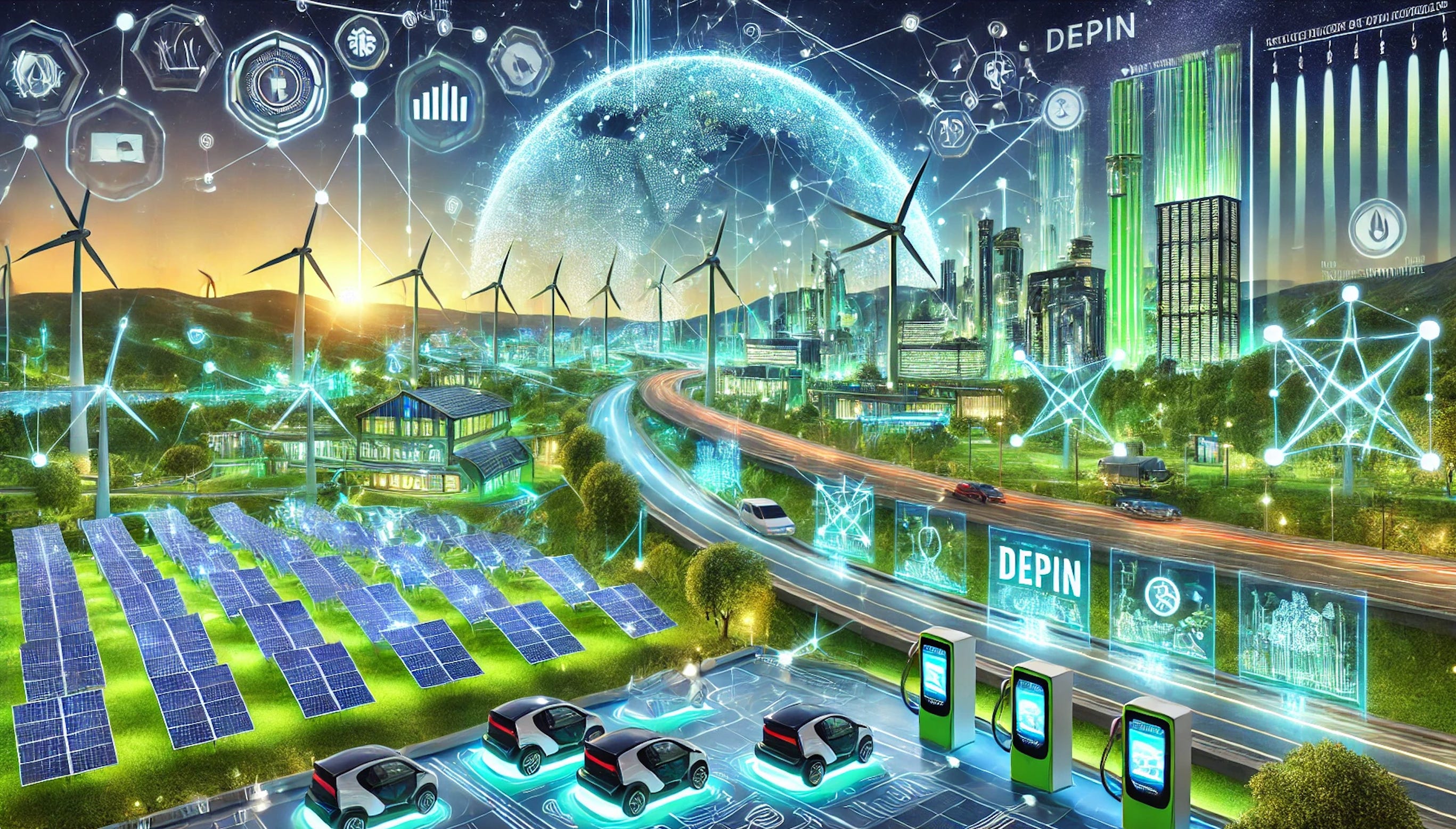
The Mechanics of Tokenized Solar Power: Lower Barriers, Higher Incentives
Traditional rooftop solar adoption has long been hampered by steep upfront costs and slow returns. Daylight Energy upends this paradigm with a subscription-based approach that eliminates capital barriers for homeowners and small businesses. Subscribers receive solar panel installations and battery backups without prohibitive initial expenses, paying a predictable monthly fee instead. This democratizes access to renewable energy while providing grid resilience during outages.
What truly distinguishes Daylight within the Solana decentralized energy projects ecosystem is its integration of blockchain incentives. Participants who generate surplus electricity can feed it back into the network, earning “sun points”: an early rewards system designed to evolve into fully liquid tokens. These tokens are slated for future launch, laying the groundwork for an open marketplace where energy production becomes a tradeable asset class.
On-Chain Energy Revenue: The DayFi Protocol
The technological heart of Daylight’s vision is its DayFi protocol, which aims to turn electricity itself into an on-chain financial instrument. By recording generation data and user contributions directly onto Solana’s blockchain, DayFi enables transparent accounting and programmable rewards for every kilowatt-hour produced or shared.
This model aligns with Solana’s broader push into DePIN real world assets in 2025, an ecosystem that surpassed $3 million in on-chain revenue by mid-year according to industry analytics. Investors can interact with these new forms of yield via decentralized finance primitives: staking tokens backed by real-world energy flows or participating in liquidity pools that represent claims on future solar output. The result is an entirely new category of DePIN yield opportunities 2025, bridging digital assets with tangible infrastructure returns.
Pioneering Web3 Solar Infrastructure at Scale
The scale of ambition behind Daylight’s expansion is unprecedented in the sector. With subscriptions now live across multiple states, and demand accelerating as grid instability becomes a mainstream concern, Daylight is positioning itself as both an infrastructure provider and a decentralized marketplace operator. The company’s roadmap includes not only expanding its hardware footprint but also launching interoperable tokens and advanced governance features tailored for community-owned power networks.
This approach reflects a new playbook for clean energy finance: one where retail users, institutional investors, and local communities all have direct economic stakes in sustainable infrastructure via tokenized ownership models. As more projects follow suit on Solana, we’re witnessing the emergence of Web3-native utilities that challenge legacy centralized power systems both technologically and economically.
Daylight’s strategy is particularly resonant in a year marked by volatile energy prices and growing skepticism toward centralized utilities. By turning homes and businesses into micro power plants, the company leverages distributed solar as both an economic asset and a climate solution. The DayFi protocol’s on-chain transparency also addresses a perennial challenge in green investing: verifying that renewable energy credits are genuinely tied to real-world production. With every watt tracked on Solana’s ledger, investors and users can audit flows in real time, reinforcing trust throughout the network.
Looking ahead, Daylight’s future token launch is poised to catalyze secondary markets for energy-backed assets. This could unlock new DePIN yield opportunities for 2025 and beyond, enabling users to collateralize their solar output, trade future claims on electricity, or participate in governance decisions over grid operations. Such mechanisms not only align incentives between producers and consumers but also create a virtuous cycle of reinvestment into local infrastructure.
Implications for DePIN Real World Assets and Solana’s Broader Ecosystem
The significance of Daylight Energy extends far beyond solar panels. Its model exemplifies how DePIN real world assets 2025 can be brought on-chain to power new forms of economic participation. As Solana cements its reputation as the home for high-throughput DePIN projects, the network’s composability allows other infrastructure verticals, such as decentralized Wi-Fi or public services, to interoperate with tokenized energy markets.
This convergence is already attracting attention from venture capital and institutional asset managers eager to diversify into Web3 infrastructure plays. Framework Ventures’ lead role in Daylight’s $75 million round underscores this momentum, while the involvement of project financiers like Turtle Hill Capital signals growing sophistication in bridging traditional capital with blockchain-native models.
For early adopters and developers alike, Daylight offers a blueprint for building sustainable business models around physical infrastructure using open protocols. The company’s emphasis on transparency, user incentives, and community governance sets a template likely to influence future waves of decentralized infrastructure innovation on Solana.
The next chapter for Web3 solar infrastructure will be written by projects that combine technical scalability with tangible impact, and Daylight Energy is at the forefront of this shift. As more participants join its network, the vision of a truly decentralized power grid, where value accrues directly to those generating clean energy, moves from speculation toward reality.
If you’re interested in exploring how DePIN projects are transforming other real-world use cases beyond energy, including Wi-Fi access and public services, check out our comprehensive guide here.





No comments yet. Be the first to share your thoughts!